
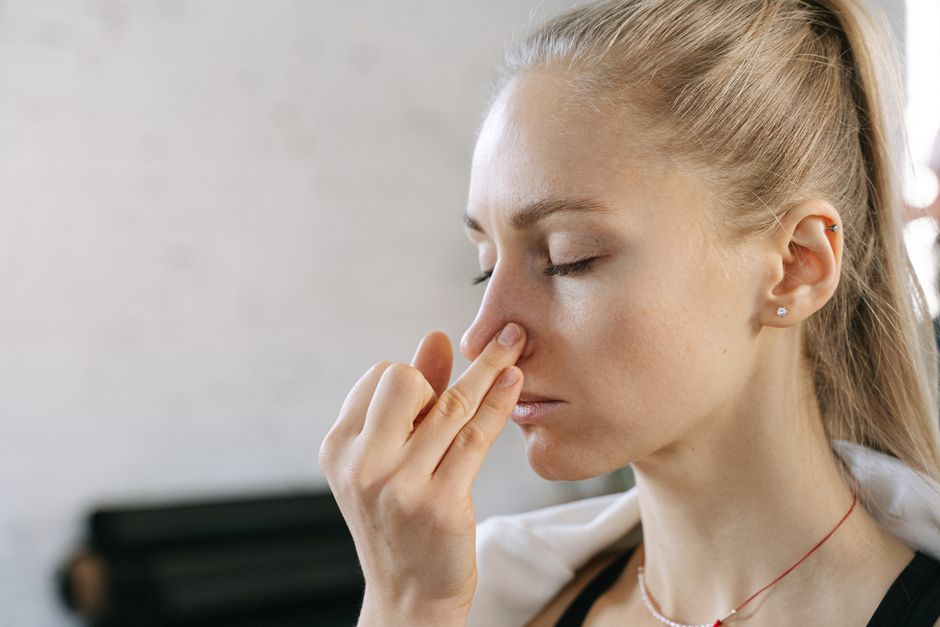
A stuffy nose happens when the blood vessels in your nasal passages swell, and the tissue inside your nose fills with extra fluid. That swelling narrows the airway, which makes it harder to breathe through your nose. You want relief now, not in an hour. The fastest ways to open your nasal passages at home are a saline rinse, steam from a hot shower, and a warm compress over your nose and forehead. These methods work within minutes because they add moisture and heat, which help shrink swollen tissue and thin out thick mucus.
Why Does Your Nose Get Stuffy in the First Place?
Nasal congestion is not actually about too much mucus blocking the path. The real issue is inflammation. When your body detects a virus, an allergen, or an irritant, it sends extra blood to the nasal lining. That extra blood makes the tissue swell, just like a sprained ankle swells. The swelling is what blocks the airflow.
Mucus plays a supporting role. It gets thicker when you are dehydrated or when the air is dry. Thick mucus sticks to the swollen tissue and makes the blockage worse. This is why treatments that add moisture work so well. They address both parts of the problem: they cool and shrink the swollen tissue, and they thin the mucus so it can drain.
How To Relieve A Stuffy Nose Fast At Home
The fastest home remedies target the swelling directly. Heat and moisture are the two most reliable tools you have.
Saline nasal spray or rinse. Salt water pulls fluid out of swollen tissue through osmosis. This reduces the swelling in your nasal lining within a few minutes. You can use an over-the-counter saline spray, or you can make your own rinse with distilled water and a neti pot. If you use a neti pot, use only distilled, sterile, or previously boiled water. Tap water that has not been boiled can contain organisms that are dangerous if they get into your nasal passages.
Steam inhalation. A hot shower is the easiest way to get steam. Stand in the bathroom with the door closed and let the hot water run for five to ten minutes. The steam adds moisture to your nasal passages, which thins mucus and soothes irritated tissue. Some people find a bowl of hot water with a towel over the head works well too. Keep your face at a comfortable distance. Steam that is too hot can burn your face and airways.
Warm compress. Soak a clean washcloth in warm water, wring it out, and place it over your nose and forehead. The warmth increases blood flow to the area, which can help reduce the feeling of pressure. This works best when combined with steam or a saline rinse, not as a standalone fix.
What About Decongestant Sprays and Pills?
Over-the-counter decongestant sprays like oxymetazoline work fast. They shrink the blood vessels in your nose, which opens the airway almost immediately. Most people feel relief within minutes. The catch is that you should not use them for more than three days in a row. Longer use can cause rebound congestion, where your nose becomes more stuffed than before once the spray wears off. This is a well-documented effect, not a rare side effect.
Oral decongestants like pseudoephedrine also work, but they take longer to kick in, usually 30 to 60 minutes. They work by narrowing blood vessels throughout your body, not just in your nose. This means they can raise blood pressure and heart rate. If you have high blood pressure, heart disease, or an enlarged prostate, talk to a pharmacist or doctor before taking them.
Antihistamines only help if your stuffiness is caused by allergies. They do nothing for a cold or a virus. If your nose is stuffy because of a cold, taking an antihistamine will not open your airway and may actually make mucus thicker.





Positioning and Hydration: The Underrated Fixes
Gravity affects nasal congestion more than most people realize. When you lie flat, blood pools in your head, which increases the swelling in your nasal passages. Sleeping with your head elevated on two or three pillows can reduce nighttime stuffiness significantly. Some people find that sleeping on their side with the stuffy nostril facing up helps that side drain.
Hydration matters because mucus is mostly water. When you are dehydrated, your mucus gets thicker and stickier. Drinking water will not instantly clear a stuffy nose, but staying hydrated keeps mucus thin enough to drain on its own. Warm liquids like tea or broth can be especially helpful because the steam from the cup adds moisture to your nasal passages as you drink.
When a Stuffy Nose Is Not Just a Stuffy Nose
Most stuffy noses clear up on their own within a week to ten days. But sometimes congestion is a sign of something more. If your stuffiness lasts more than ten days without improvement, you may have a sinus infection. Sinus infections often come with facial pain, pressure around the eyes or forehead, and thick yellow or green nasal discharge that lasts more than a few days.
You should seek medical care if your stuffy nose comes with a fever over 101°F, severe headache, vision changes, or swelling around your eyes. These can be signs of a more serious infection that needs antibiotics or other treatment. In young children, a stuffy nose that interferes with feeding or breathing warrants a call to a pediatrician.
If your stuffiness is seasonal and comes with itchy eyes and sneezing, allergies are the likely cause. Allergy medications like nasal steroid sprays work well but take several days to reach full effect. They are not a fast fix, but they are the right fix for allergy-related congestion.
What Does Not Work for a Stuffy Nose?
Several popular remedies have no real evidence behind them. Spicy foods like horseradish or hot sauce can make your nose run temporarily, but they do not reduce the swelling that causes the blockage. The runny nose is a reflex response, not a cure. The effect fades quickly and does not address the underlying inflammation.
Essential oil rubs and vapor rubs applied to the chest or under the nose may make you feel like you can breathe better because of the cooling sensation, but they do not actually reduce swelling. The menthol sensation tricks your brain into feeling more airflow, but the physical blockage remains. They can be soothing, but they are not a treatment for congestion.
Nasal strips can help some people, especially at night. They physically pull the nostrils open from the outside, which can improve airflow. They do not reduce swelling or thin mucus, so they are a mechanical aid, not a treatment. They work best for people whose stuffiness is worse at the nostril opening rather than deeper in the nasal passage.
How To Prevent a Stuffy Nose From Coming Back
If you get stuffy noses often, look at your environment. Dry indoor air makes nasal congestion worse, especially in winter. A cool-mist humidifier in your bedroom can keep your nasal passages from drying out overnight. Keeping humidity between 30 and 50 percent is a reasonable target for comfort and respiratory health.
Dust and pet dander can trigger congestion even in people who do not think they have allergies. Washing bedding in hot water weekly and using a HEPA filter in your bedroom can reduce airborne irritants. If you smoke, stopping will help. Smoking irritates the nasal lining directly and makes congestion worse and longer-lasting.
Frequently Asked Questions
How long does a stuffy nose usually last?
A stuffy nose from a cold usually lasts seven to ten days. If it lasts longer than ten days without improving, see a doctor to check for a sinus infection.
Is it safe to use a decongestant spray every day?
No. Decongestant sprays should not be used for more than three days in a row. Longer use can cause rebound congestion that makes your nose more stuffed than before.
Can a stuffy nose be a sign of something serious?
Usually not, but see a doctor if you have a fever over 101°F, severe facial pain, vision changes, or swelling around your eyes. These can be signs of a more serious infection.
Does drinking water help a stuffy nose?
Yes, staying hydrated keeps mucus thin so it can drain more easily. Drinking water alone will not clear a blocked nose, but it supports other treatments like steam and saline rinses.
