
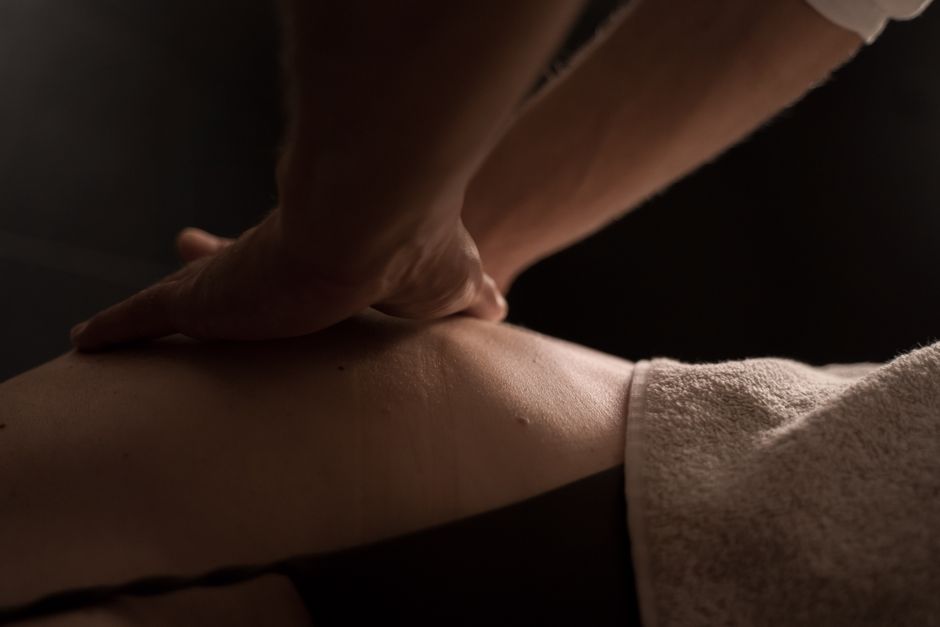
Lower back tension that keeps returning usually has less to do with a “tight” muscle than with the way your back, hips, and nervous system are managing load. Muscles in the lower back often tighten to protect an area that feels unstable or overworked. Lasting relief comes from addressing why that protection response keeps switching on, not from stretching harder. The most effective approach combines gentle movement, strength work for the hips and trunk, attention to how you sit and lift, and patience with a timeline measured in weeks, not days.
Why Does Lower Back Tension Keep Coming Back?
Recurring tension is a signal, not a random nuisance. The muscles along your spine are responding to something upstream, and until that something changes, the tightness returns.
Muscle guarding is the main mechanism. When part of your back senses strain or instability, surrounding muscles contract to limit movement and protect the area. That is a normal protective reflex. The problem is that the reflex can outlast the original trigger. The muscle stays switched on, becomes sore and stiff, and the cycle repeats.
Several common factors keep that cycle running:
- Long periods of sitting, which leave hip muscles shortened and back muscles working to hold you upright
- Weakness in the glutes and deep trunk muscles, so the lower back takes on load it is not built to handle alone
- Repeated bending and lifting with poor mechanics
- Sleep disruption and stress, which raise muscle tension and lower your tolerance for discomfort
- A history of a previous back episode, after which people often move more cautiously and lose conditioning
One point worth understanding: a muscle that feels tight is not always a muscle that is short. Often it is a muscle working too hard. Stretching a muscle that is already overworked and fatigued can bring brief relief and then make the pattern worse. This is why some people stretch daily for months and find the tension always returns.
How To Release Lower Back Tension That Keeps Coming Back
The release happens in layers. Immediate relief matters, but the lasting fix is building a back that does not need to guard in the first place.
Step one: calm the protective response
Start with gentle, low-load movement rather than aggressive stretching. Slow walking, easy hip hinging, and gentle range-of-motion exercises signal to the nervous system that movement is safe. Heat applied to the area for short periods can help muscles relax temporarily. These measures reduce symptoms; they do not change the underlying pattern on their own.
Step two: build strength where it is missing
This is the part most people skip, and it is the part that matters most for tension that keeps returning. The muscles that support the lower back need to be strong enough to share the load.
- Hip hinge practice: learning to bend from the hips rather than rounding the lower back
- Glute strengthening: bridges and similar movements that teach the hips to do their share
- Trunk endurance work: holding a stable trunk position while the arms or legs move
- Gradual loading: increasing difficulty slowly so the back adapts rather than flares
Research on exercise for low back pain consistently shows that strength and movement-based programs help, and that the specific type of exercise matters less than doing it consistently. A physical therapist can tailor a program to your situation, which is especially useful if you have had a prior injury or a diagnosed condition.
Step three: change the daily patterns feeding the tension
No exercise program overcomes eight hours of poor positioning every day. Break up long sitting with short movement breaks. Learn to lift with your hips and legs rather than your back. Adjust your workstation so your screen is at eye level and your feet are supported. These changes are unglamorous and they work.
Does Stretching Actually Help?
Stretching feels good and can reduce the sensation of tightness for a while. The evidence that it prevents recurring back tension on its own is weak.
Some studies suggest stretching improves short-term flexibility and comfort. What the research does not support is the idea that stretching alone resolves a recurring pattern. If a muscle is guarding because of weakness or instability elsewhere, stretching it temporarily quiets the signal without removing the cause.
Stretching is reasonable as part of a broader plan. It is not a stand-alone solution. If you enjoy it and it helps you feel better, keep it. Just do not rely on it as your only strategy.
What Daily Habits Make Lower Back Tension Worse?
Several everyday habits reliably feed the cycle. Most are easy to adjust once you notice them.
Prolonged sitting is the most common. Sitting for long stretches keeps the hips flexed and the back muscles active in a holding pattern. Standing up and moving briefly every half hour or so interrupts this more effectively than one long stretch session at the end of the day.
Lifting with a rounded back under load puts strain on the spine and triggers the guarding response. Bending at the hips and knees, keeping the load close to your body, and avoiding twisting while lifting all reduce that strain.
Sleeping in a position that twists the spine can leave you stiff in the morning. Side sleeping with a pillow between the knees, or back sleeping with a pillow under the knees, supports a more neutral spine for some people. Individual comfort varies, so this is worth testing rather than assuming.
Ignoring stress matters more than many people realize. Muscle tension rises with stress, and people under sustained stress often report more back tightness. Sleep and stress management are not soft extras; they affect how your muscles behave.
When Should You See a Doctor About Lower Back Tension?
Most recurring lower back tension is not dangerous. Certain symptoms do warrant prompt medical attention.
Seek care quickly if you have:
- New weakness, numbness, or tingling in a leg
- Loss of bladder or bowel control
- Numbness in the groin or inner thigh area
- Severe pain after a fall or injury
- Fever, unexplained weight loss, or pain that is worse at night and does not ease with rest
These can signal something more serious than muscle tension, and they should be evaluated by a clinician rather than managed at home. For tension without these features, a physical therapist or your primary care clinician can help you build a plan. If pain persists beyond a few weeks or keeps interfering with daily life, that is also a reasonable point to get professional input.
How Long Does It Take to Notice a Difference?
Some relief from gentle movement and heat can come within days. Changing a recurring pattern takes longer.
Strength and movement changes typically take several weeks of consistent practice before you notice a real shift in how your back feels day to day. The tension that keeps returning usually reflects months or years of habit, so expecting it to resolve in a week is unrealistic. Consistency matters more than intensity. Short, regular sessions beat occasional long ones.
Progress is often uneven. Some weeks feel better than others, and flare-ups can happen even when you are doing everything right. A flare is not proof the plan is failing. It is usually a sign to ease off briefly and then resume.
Frequently Asked Questions
Why does my lower back feel tight every morning?
Morning stiffness is common after hours in one position, when muscles and joints have been still and the protective tension has had time to build. Gentle movement shortly after waking often eases it within minutes.
Is it better to stretch or strengthen a tight lower back?
Strengthening the hips and trunk addresses the cause of recurring tension more reliably than stretching alone. Stretching can be a helpful add-on for short-term comfort but is unlikely to resolve a pattern on its own.
Can stress cause lower back tension?
Yes, stress raises muscle tension and lowers your tolerance for discomfort, which can make back tightness feel worse. Sleep and stress management are legitimate parts of a back care plan.
How often should I move to prevent back tension from returning?
Brief movement breaks spread through the day, roughly every half hour of sitting, tend to work better than one longer session. Consistency across the day matters more than total exercise time.
