
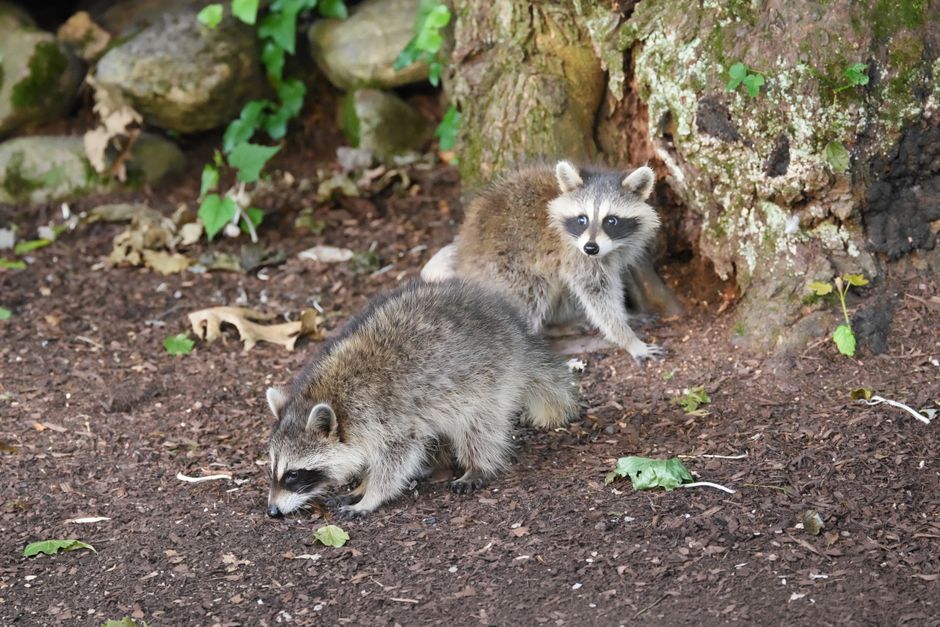
Releasing a raccoon from a live trap safely means covering the trap with a thick towel or blanket, carrying it to a suitable outdoor release spot at least several miles from your home, and opening the door while standing well back and to the side. You should never reach into the trap with your bare hands or try to tip the animal out. Raccoons are strong, dexterous, and capable of biting and scratching when frightened, and they can carry rabies and other diseases.
The steps below cover protective gear, handling technique, legal considerations, and what to do if the animal appears sick or if you catch something other than a raccoon. This is a task where a calm, methodical approach protects both you and the animal.
How To Release A Raccoon From A Live Trap Safely
The safest release follows a fixed sequence, and the single most important step is covering the trap before you move it.
When a raccoon cannot see out, it tends to stay calmer. A dark cover also protects you from being grabbed through the wire. Use a heavy towel, blanket, or tarp large enough to drape over the entire trap. Wear thick leather work gloves and long sleeves and pants. Do not use thin gardening gloves.
Once covered, lift the trap by its handle or frame and carry it to your vehicle or directly to the release site. Set the covered trap down gently. Stand behind the trap, away from the door end, and use a stick or the door mechanism to open the latch. Then step back. The raccoon will usually exit on its own within seconds to a few minutes. If it does not move, walk away quietly and check back later rather than shaking the trap.
- Thick leather gloves, long sleeves, long pants, closed shoes
- A heavy towel, blanket, or tarp big enough to cover the whole trap
- A stick or tool to open the door without your hands near the opening
- A vehicle if you are relocating the animal
Do not attempt to handle the raccoon directly, and do not open the trap while holding it against your body. Keep your face and hands away from the wire at all times.
What Protective Gear Do You Need To Handle A Live Trap With A Raccoon?
Leather work gloves are the minimum, and they are not a guarantee of protection. Raccoon teeth can penetrate many types of glove, and the animal’s front paws can reach through trap openings.
Wear clothing that covers your skin fully. Long sleeves and pants reduce the chance of a scratch if the animal lunges. Closed-toe shoes protect your feet if you drop the trap.
The most effective protection is distance and a barrier. Covering the trap serves both purposes. It blocks the raccoon’s line of sight, which reduces stress, and it puts a physical layer between you and the animal.
If you have any open wounds on your hands or arms, cover them or have someone else handle the trap. Raccoon saliva and scratches can transmit infections. Anyone who is bitten or scratched should wash the wound thoroughly with soap and water and seek medical care promptly, because raccoons are a rabies vector species in much of the United States. Rabies is almost always fatal once symptoms appear, so exposure is not something to monitor at home.
Where Should You Release A Raccoon?
Release the raccoon in a rural or wooded area with natural cover and a water source, well away from homes, roads, and livestock. A distance of several miles from your property reduces the chance it returns.
Raccoons are highly adaptable and have strong homing tendencies. Relocating them only a short distance often results in the animal finding its way back. Moving them far enough that they cannot navigate home is the goal, but there is a real trade-off: relocated raccoons often do not survive, because they are dropped into territory already occupied by other raccoons and must find food and shelter in an unfamiliar place.
Choose a spot with trees, brush, and water. Avoid releasing near busy roads, where disoriented animals are frequently struck by vehicles. Do not release on someone else’s property without permission, and do not release near farms or chicken coops.
Some wildlife agencies discourage relocation entirely and prefer on-site release or exclusion, because moving animals can spread disease and disrupt local populations. Check your state wildlife agency’s rules before you trap. In many states it is illegal to relocate wildlife without a permit, and some states require that trapped animals be released on the same property or euthanized by a licensed professional.





Is It Legal To Trap And Release A Raccoon Yourself?
In many places it is legal to trap a raccoon on your own property, but the rules for what you may do with it vary widely by state and sometimes by county.
Some states allow relocation only with a permit. Some prohibit relocating wildlife across county lines or into certain areas. Others require that the animal be released on the same property where it was caught. A few require a licensed nuisance wildlife control operator to handle the animal.
Because these rules change and differ from place to place, the reliable move is to contact your state wildlife agency or your local animal control office before setting a trap. They can tell you what is allowed where you live and whether you need a permit.
There is also a welfare and disease angle. Relocating raccoons can spread rabies and canine distemper into new areas, and it stresses the animal. For these reasons, some wildlife professionals recommend against relocation as a routine practice.
What If The Raccoon Looks Sick Or Injured?
Do not release a raccoon that appears sick, and do not handle it yourself. Call your state wildlife agency or a licensed wildlife rehabilitator for guidance.
Signs that warrant caution include unusual tameness, stumbling, circling, excessive drooling, paralysis, or discharge from the eyes or nose. These can indicate rabies, canine distemper, or other serious illness. Rabies in particular can present as either aggression or unusual calm, so a raccoon that seems unafraid of you is a warning sign, not a friendly one.
Keep children and pets away from the trap. Do not try to feed or water a sick animal, and do not attempt to move it. Wait for professional direction.
If you or anyone else is bitten or scratched by a raccoon, wash the wound immediately with soap and water for several minutes and get medical care right away. Post-exposure treatment for rabies is highly effective when started promptly, and it should not be delayed to see whether symptoms develop.
What If You Catch Something Other Than A Raccoon?
The covering-and-distance approach works for most trapped animals, but some species need special handling or must be released on site.
If you catch a skunk, cover the trap before moving it and open the door from a distance. A covered skunk usually will not spray, but there is no guarantee. If you catch a domestic cat, cover the trap, move it somewhere quiet, and contact animal control or the cat’s owner if it is identifiable. A frightened cat can be difficult to release without being scratched.
If you catch a protected species, or any animal you cannot identify, contact your state wildlife agency before doing anything. Some animals are illegal to relocate or handle without a permit.
For any animal, the core rules stay the same: cover the trap, keep your hands and face away from the openings, open the door from behind or to the side, and step back. Never reach in.
How Do You Prevent Catching A Raccoon Again?
Removing the food source is what actually solves a raccoon problem. If the attractant stays, another raccoon will take the first one’s place.
Secure trash cans with tight-fitting or locking lids. Bring pet food indoors at night and do not leave it outside. Keep bird feeders out of reach or bring them in after dark. Feed pets on a schedule and pick up leftovers. Close off access to crawl spaces, decks, attics, and chimneys with sturdy materials, and repair any gaps. Raccoons are strong and persistent, so flimsy barriers do not hold.
Trapping alone rarely fixes an ongoing issue. It removes one animal, but the conditions that drew it in remain. Addressing food, water, and shelter is the part that lasts.
Frequently Asked Questions
Can I release a raccoon from a live trap by myself?
Yes, if it is legal in your area and the animal appears healthy. Cover the trap, move it to a suitable outdoor spot, open the door from a distance, and step back.
How far away should I release a raccoon?
Several miles from your home is the general rule, because raccoons have strong homing instincts and can return from short distances. Check your state wildlife agency’s rules first, since relocation is restricted or banned in some places.
Will a raccoon bite me through a live trap?
Yes. Raccoons can bite and scratch through trap wire, and their teeth can penetrate many gloves. That is why covering the trap and keeping your hands away from the openings matters more than the gloves themselves.
What should I do if I get bitten or scratched by a raccoon?
Wash the wound thoroughly with soap and water and seek medical care immediately. Raccoons are a rabies vector species, and prompt post-exposure treatment is highly effective.
