
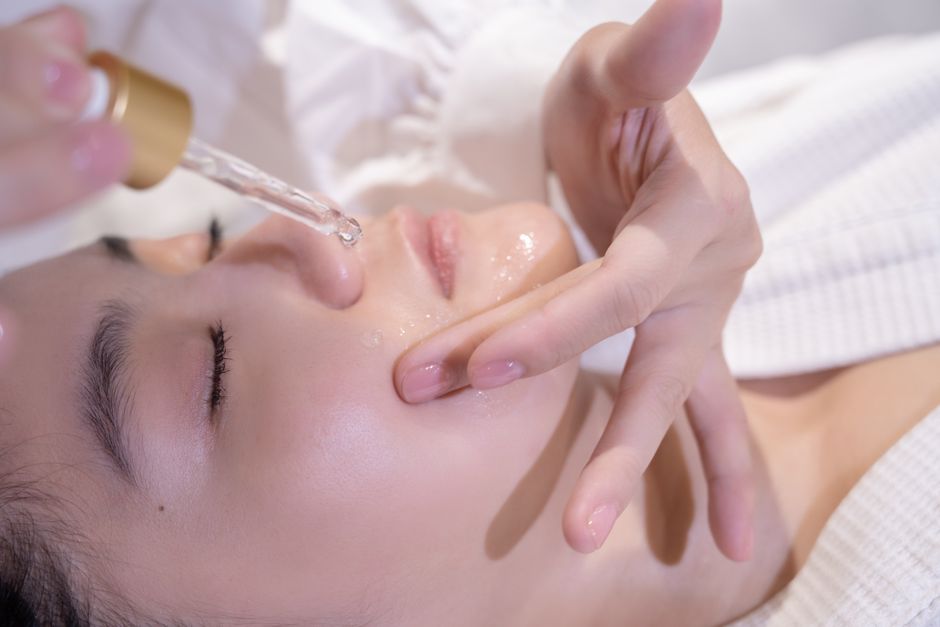
Skin aging is driven by two things happening at once: the natural slowdown of collagen production and cell turnover that comes with time, and damage from the environment, mainly ultraviolet light. Rejuvenation that actually works targets both. The routines and treatments with the strongest evidence behind them are sun protection, topical retinoids, and a small number of in-office procedures — and the single most effective step is daily sunscreen, because it prevents the damage everything else is trying to repair.
What Actually Causes Skin To Look Older?
Two separate processes are at work, and it helps to keep them apart.
Intrinsic aging is the slow, built-in decline that happens to everyone. Collagen production decreases over decades. The skin’s outer layer (the epidermis) thins. Cell turnover slows, so dead cells sit on the surface longer and the skin looks duller. Elastin fibers fragment. This process is largely genetic and you cannot stop it, though you can influence how fast it appears.
Extrinsic aging is damage from outside. Ultraviolet radiation is the dominant driver. UV breaks down collagen and elastin in the dermis, the deeper layer that gives skin its structure. It also drives irregular pigmentation. Smoking, air pollution, poor sleep, and repeated irritation add to the load.
This distinction matters because it explains why one product cannot fix everything. A cream that increases cell turnover addresses the surface. A treatment that stimulates collagen addresses the deeper layer. Sunscreen protects both by preventing new damage. Dermatologists sometimes call the visible result of sun exposure “photoaging,” and in fair-skinned people it can account for the majority of what looks like age-related change on sun-exposed areas.
How To Rejuvenate Skin: Routines And Treatments That Work
The evidence-backed routine is simpler than the shelf at a beauty store suggests. A basic, consistent regimen outperforms an expensive, inconsistent one.
Morning: a gentle cleanser, an antioxidant if you choose one, a moisturizer, and broad-spectrum sunscreen. Sunscreen is not optional — it is the foundation.
Evening: cleanser, a retinoid (if your skin tolerates it), and moisturizer.
That is the core. Everything else is an add-on. Here is what the evidence supports within that framework.
Sunscreen
Broad-spectrum sunscreen with an SPF of 30 or higher, applied daily and reapplied with sun exposure, is the most reliable anti-aging product available. It prevents further collagen breakdown and pigment damage. Research has found that consistent daily sunscreen use slows visible skin aging compared with discretionary use. Most people apply far less than the amount used in testing, which is why real-world protection is lower than the label suggests. Roughly a nickel-sized amount for the face is a reasonable guide.
Retinoids
Topical retinoids — tretinoin by prescription, and retinol or retinaldehyde over the counter — are the best-studied anti-aging ingredients. They increase cell turnover, stimulate collagen production over time, and can improve fine lines and uneven pigmentation. Effects build over months, not days. Retinoids commonly cause dryness, peeling, and irritation at first. Starting with a low concentration two or three nights a week and building up helps. Retinol is converted in the skin to the active form, so it is gentler but slower than prescription tretinoin.
Vitamin C and other antioxidants
Topical vitamin C (L-ascorbic acid) has some evidence for improving pigmentation and supporting collagen, and it can add to sun protection when layered under sunscreen. The evidence is moderate, not overwhelming. It is a reasonable addition, not a necessity. Antioxidants are best thought of as support, not as a replacement for sunscreen or retinoids.
Moisturizers and barrier care
Moisturizers do not reverse aging, but they improve the appearance of fine lines caused by dryness and keep the skin barrier healthy. A healthy barrier tolerates active ingredients better. Ingredients like ceramides, glycerin, and hyaluronic acid help the skin hold water. Hyaluronic acid draws water to the surface but its effect is temporary.
What the evidence does not strongly support
Many popular ingredients have thin evidence for visible anti-aging benefit. Collagen in creams does not penetrate intact skin in a meaningful way to rebuild the deeper layer — the molecule is too large. Drinking collagen supplements has some early supporting studies, but the evidence is not yet strong enough to call it proven. Stem cell creams, most “peptides,” and many botanical extracts are marketed far beyond what trials show. That does not mean they are harmful. It means the claims outrun the data.
Which In-Office Treatments Have Real Evidence?
A handful of procedures have solid evidence for improving skin appearance. They work by removing damaged surface layers or by triggering the skin to produce new collagen.
- Laser resurfacing (ablative and non-ablative): removes or heats damaged layers to stimulate collagen. Effective for wrinkles and pigmentation. Recovery ranges from days to weeks depending on the type.
- Chemical peels: acids remove the outer layer at varying depths. Medium and deep peels have good evidence for pigmentation and fine lines. Superficial peels are milder with more modest results.
- Microneedling: creates controlled micro-injuries that prompt collagen production. Evidence is reasonable for scars and some signs of aging.
- Botulinum toxin: relaxes muscles that create dynamic wrinkles. Well established for expression lines. It does not treat sun damage or skin texture.
- Dermal fillers: restore volume and soften folds. Effective for volume loss, but they do not improve skin quality itself.
Results vary by practitioner skill, device, and your skin. These are medical procedures with real risks, including burns, scarring, and pigment changes, and darker skin tones carry higher risk of pigment complications from some lasers and peels. A consultation with a qualified clinician matters more than the brand of the device.



What Lifestyle Factors Change Skin Aging?
Skin reflects what happens inside the body as well as outside it.
Smoking narrows blood vessels and reduces oxygen and nutrients reaching the skin. It also damages collagen and elastin directly. Smokers show more wrinkles, especially around the mouth, than non-smokers of the same age.
Sleep matters more than most people realize. Poor sleep is linked to reduced skin barrier function and slower recovery from damage. The relationship is real, though the exact mechanisms are still being studied.
Diet plays a supporting role. Adequate protein supports collagen synthesis. Diets high in added sugar may contribute to glycation, a process where sugar binds to proteins and can stiffen collagen, though the direct visible effect in humans is difficult to measure. A varied diet rich in vegetables and fruit is a reasonable foundation.
Alcohol in excess dehydrates the skin and can worsen puffiness and dullness.
Stress is harder to quantify but is associated with flare-ups of many skin conditions.
Does Diet Or Supplements Rejuvenate Skin?
The honest answer is that no supplement has been shown to reverse skin aging the way sunscreen and retinoids prevent or improve it.
Oral collagen peptides have some early promising studies suggesting small improvements in skin elasticity and hydration, but the trials are generally small, often industry-funded, and short. The evidence is not yet strong enough to recommend them as established treatment. Other supplements marketed for skin — biotin, silica, “anti-aging” blends — have little to no reliable evidence for visible benefit. Biotin in particular can interfere with certain lab tests, which is a real concern worth knowing.
If you are considering a supplement, treat it as optional and check with a clinician, especially if you take medications or are pregnant or breastfeeding. No clinical guidelines recommend collagen supplements for skin aging.
How Long Until You See Results?
This is where expectations most often go wrong. Skin renewal is slow, and patience is part of the treatment.
Sunscreen prevents further damage immediately, but its visible benefit is about slowing change over years. Retinoids typically take about three to six months of consistent use before noticeable improvement in fine lines and texture. Pigmentation changes can take longer. In-office treatments vary widely — some show results within weeks, while collagen-stimulating procedures may continue improving for several months as new collagen forms.
The most common mistake is stopping a routine before it has had time to work, or adding many new products at once so that irritation cannot be traced to any one of them. Introduce one active at a time and give it at least a few months.
What Should You Avoid In A Skin Rejuvenation Routine?
More products does not mean better skin. Overloading the skin with multiple strong actives — several acids, a retinoid, and a vitamin C at once — commonly causes irritation, redness, and a damaged barrier that makes everything look worse.
Be skeptical of claims of dramatic results in days. Real change takes months. Be cautious with products that promise to “reverse” aging or claim to be “clinically proven” without specifying what was measured. And avoid abrasive scrubs and harsh physical exfoliation, which can cause micro-tears and irritation without improving skin quality.
If you have a skin condition such as rosacea, eczema, or melasma, or you are pregnant or breastfeeding, check with a clinician before starting strong actives. Some ingredients, including certain retinoids, are not recommended during pregnancy.
Frequently Asked Questions
What is the single most effective anti-aging skin product?
Daily broad-spectrum sunscreen with SPF 30 or higher has the strongest evidence, because preventing UV damage addresses the main driver of visible skin aging. Topical retinoids are the best-studied product for improving existing signs of aging.
How long does it take for retinol to work on wrinkles?
Most people need about three to six months of consistent use before noticing improvement in fine lines and texture. Results build gradually, and prescription tretinoin generally works faster than over-the-counter retinol.
Do collagen supplements actually rejuvenate skin?
Some early studies suggest small improvements in skin elasticity and hydration, but the trials are small and short, and no clinical guidelines recommend them for skin aging. They are not proven to reverse aging.
Can you reverse skin aging without procedures?
You can meaningfully slow and partially improve visible aging with sunscreen, a retinoid, and moisturizer, but deep wrinkles and volume loss are difficult to reverse without in-office treatment. A consistent routine is the foundation regardless of whether you add procedures.
