
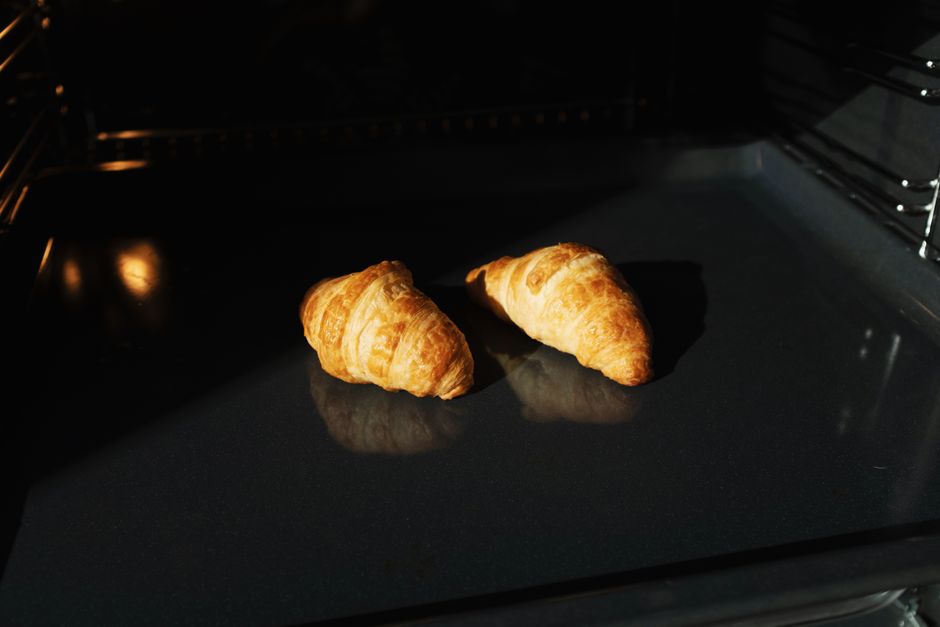
Reheating food in the oven is slower than a microwave, but it is the better choice for anything you want to stay crisp, evenly warm, or close to how it tasted the first time. The basic method is simple: set the oven to a moderate heat, usually somewhere between 300°F and 350°F, put the food on a lined tray or in an oven-safe dish, and give it enough time to heat through without drying out. Covering the food loosely with foil keeps moisture in, while leaving it uncovered for the last few minutes brings back texture on the surface.
How To Reheat Food In Oven Without Drying It Out
Dryness is the most common complaint about oven reheating, and it comes down to moisture loss. Heat drives water out of food, and a second round of heating removes more of what is left. The fix is to trap some of that moisture rather than letting it escape into the oven.
Covering the dish with foil or an oven-safe lid is the standard approach. The trapped steam warms the food gently and keeps the surface from hardening. For the last few minutes, uncover it so the outside can crisp back up. This two-stage method works well for casseroles, roasted vegetables, and most cooked meats.
Adding a small splash of water, broth, or sauce before covering also helps. It creates steam inside the container. You are not trying to soak the food, just give it a little moisture to work with.
Some foods benefit from a light brush of oil on the surface. This is less about adding moisture and more about restoring the texture that reheating can flatten. It is optional, and it is not a fix for food that was already dry before it went in the fridge.
What Temperature Should You Reheat Food In The Oven?
An oven temperature between 300°F and 350°F works for most reheating. That range is hot enough to warm food through in a reasonable time without scorching the outside before the center catches up.
Lower temperatures, around 250°F to 300°F, suit dense or thick items like a whole roast or a deep lasagna. The gentle heat lets the inside warm through without the edges overcooking. It takes longer, so plan for it.
Higher temperatures, closer to 400°F, are for foods you want to crisp quickly, like pizza, fried chicken, or breaded items. At that heat the outside can brown fast, so the food needs watching.
Whatever the setting, the goal is the same: the food should be heated all the way through, not just warm at the edges. A food thermometer is the most reliable way to check. For meat and poultry, the USDA recommends reheating to an internal temperature of 165°F. That figure applies to leftovers across the board and is the number to remember.
How Long Does It Take To Reheat Food In The Oven?
Time depends on the food, its thickness, and whether it went in cold from the fridge or came closer to room temperature. Thin items like slices of pizza or flatbread may take 8 to 12 minutes. Thicker dishes like casseroles or a plated portion of meat often need 20 to 30 minutes.
These are general ranges, not fixed rules. The only dependable way to know food is ready is to check its internal temperature. For most leftovers, 165°F is the target. If you do not have a thermometer, the food should be steaming throughout, not just on the surface.
A common mistake is reheating on high heat to save time. That tends to overcook the outside while the middle stays cool. Moderate heat and a little patience give a better result.
Which Foods Reheat Best In The Oven?
The oven is the right tool for foods that should stay firm, crisp, or hold their shape. It is the wrong tool for anything you want soft and moist, where a microwave does the job faster.
- Pizza and flatbreads: A hot oven restores a crisp crust. A skillet on the stovetop also works well for this.
- Fried or breaded foods: Chicken, fish, and similar items crisp back up in the oven far better than in a microwave.
- Roasted vegetables: They reheat well and can regain some of their browned edges.
- Casseroles and baked pasta: Covered to start, uncovered at the end, they warm evenly.
- Roasted or baked meats: Sliced or whole, they reheat well when covered and checked with a thermometer.
Foods that do not reheat well in the oven include anything already prone to drying, like lean fish fillets, or dishes where a soft texture is the point, like mashed potatoes. Those often do better reheated gently with a little added liquid.
Should You Cover Food When Reheating It?
Covering is usually the better choice, but not for the whole time. The cover traps steam, which keeps the food from drying out as it warms. Then you uncover it near the end to let the surface dry and crisp.
The exception is food you want crisp all the way through, like pizza or fried chicken. Those do better uncovered the entire time, because trapped steam makes them soggy. For everything else, the covered-then-uncovered approach is a reliable default.
If you use foil, tent it loosely rather than sealing it tight. A tight seal traps too much steam and can leave the food wet. A loose cover lets some moisture escape while still protecting the surface.
Is It Safe To Reheat Food In The Oven?
Reheating in the oven is safe when the food reaches a high enough internal temperature and is handled properly before and after. The main concern is not the oven itself but how the leftovers were stored and how long they sat out.
The USDA advises refrigerating cooked leftovers within two hours of cooking. After that, bacteria that can cause foodborne illness have a chance to multiply. Once refrigerated, most cooked leftovers keep for three to four days. Reheating does not undo spoilage, so food that has been stored too long should be thrown out rather than reheated.
When you reheat, bring the food to 165°F throughout. This temperature is high enough to kill the bacteria that commonly cause illness. Reheating food more than once is not recommended, because each round gives bacteria more time in the temperature range where they grow fastest.
One point that is often missed: the danger zone is between 40°F and 140°F. Food left in that range for more than two hours should be discarded. This matters more than which appliance you use to reheat.
Tips For Better Oven Reheating
A few habits make a real difference in how leftovers turn out.
- Let dense foods sit at room temperature for a short time before reheating, so the center warms more evenly.
- Spread food in a single layer rather than piling it up, so heat reaches everything.
- Use a food thermometer for meat, poultry, and casseroles instead of guessing.
- Reheat only what you plan to eat, rather than warming the whole batch.
- Preheat the oven first. Putting food into a cold oven extends the time it spends in the temperature range where bacteria grow.
None of these steps are complicated. They mostly come down to even heat, a little moisture control, and checking the temperature rather than trusting a timer.
Frequently Asked Questions
What temperature should I reheat food in the oven?
Most foods reheat well between 300°F and 350°F. Use a lower setting for dense dishes and a higher one for foods you want crisp.
How long does it take to reheat food in the oven?
Thin items may take 8 to 12 minutes, while thicker dishes often need 20 to 30 minutes. The reliable check is an internal temperature of 165°F, not the clock.
Should I cover food with foil when reheating it in the oven?
Cover it for most of the time to hold in moisture, then uncover near the end to restore texture. Foods you want crisp, like pizza, should stay uncovered.
Is it safe to reheat leftovers in the oven?
Yes, if the food reaches 165°F throughout and was refrigerated within two hours of cooking. Most cooked leftovers keep for three to four days in the fridge.
