
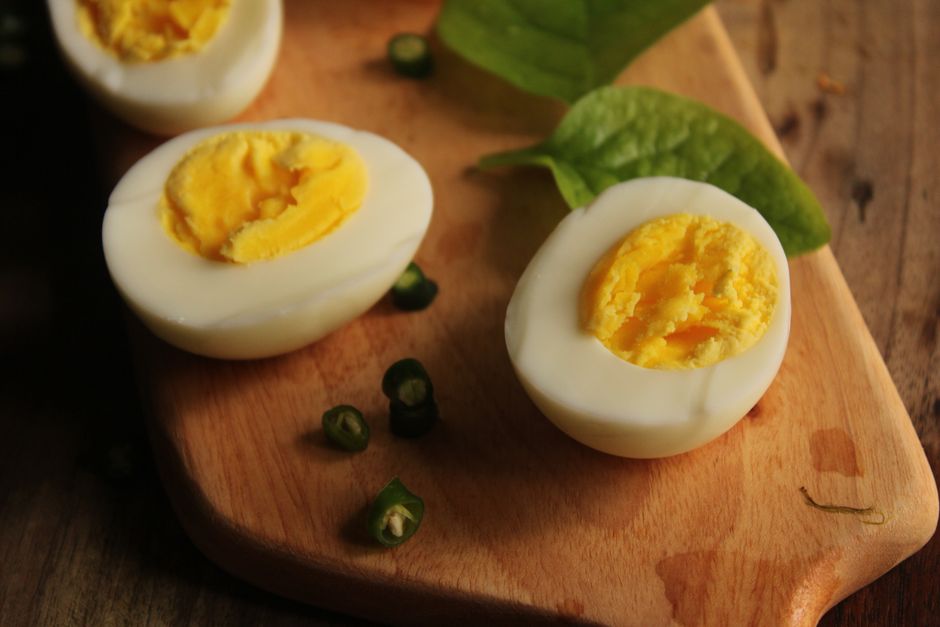
You can reheat boiled eggs, but how you do it matters more than you might expect. The best method depends on whether the egg is still in its shell or already peeled. Whole eggs in the shell reheat best in hot water or a steamer. Peeled eggs heat quickly in the microwave but can turn rubbery or burst if you push them too hard. The single most important rule: never microwave a whole egg in its shell. It can explode.
Most people reheat boiled eggs because a cold egg straight from the fridge is unappealing — the yolk turns waxy and the white feels firm. A gentle warm-up brings back a softer texture. The goal is to warm the egg through without cooking it further.
How To Reheat Boiled Eggs Without Ruining Them
Heat is the enemy of a good boiled egg once it is already cooked. The proteins in the white and yolk are already set. Add too much heat and they tighten further, squeezing out moisture. That is why a reheated egg goes rubbery — the protein network contracts and the water gets pushed out.
The fix is gentle, even warmth. You want to raise the egg’s internal temperature without blasting the outside. Think of it like reheating a delicate piece of fish rather than a bowl of soup.
Three things drive the outcome:
- Temperature: lower and slower beats high and fast.
- Time: shorter is safer. You are warming, not cooking.
- Method: water and steam are forgiving. Dry, intense heat is not.
One detail people miss: the age of the egg matters. Fresher boiled eggs are harder to peel and their whites are denser. Older eggs (a week or so past laying) peel more cleanly. That does not change how you reheat, but it affects how the egg holds up to a second round of heat.
Can You Microwave Boiled Eggs?
You can microwave a peeled boiled egg, but you cannot microwave a whole egg in its shell. This is not a cautious suggestion — it is a hard safety line.
A whole egg in the shell traps steam. As the microwave heats the moisture inside, pressure builds with nowhere to go. The shell can crack violently or the egg can burst after you take it out. Serious eye and facial burns from exploding eggs are documented in medical literature. The American Egg Board and food safety agencies consistently warn against microwaving whole eggs in the shell.
Even a peeled egg needs care. The yolk heats faster and more unevenly than the white. If you microwave a peeled egg whole, the yolk can build pressure inside its membrane and pop.
If you microwave a peeled egg, do this:
- Cut it in half or slice it so steam can escape.
- Use a low or medium power setting.
- Heat in short bursts of 10 to 15 seconds.
- Let it rest a moment before eating — the inside stays hot.
Even sliced, a microwaved egg can turn tough fast. The window between warm and rubbery is narrow. Watch it closely the first time you try it.
What Is the Best Way to Reheat a Whole Boiled Egg in the Shell?
Hot water is the most reliable method for a whole egg still in its shell. It heats evenly from all sides and keeps the egg moist. It also avoids the explosion risk that comes with the microwave.
Here is a simple approach:
- Bring a pot of water to a gentle simmer — not a rolling boil.
- Lower the egg in with a spoon.
- Leave it for about 3 to 5 minutes, depending on how warm you want it.
- Pull it out and peel or crack it right away.
A steamer works just as well. Steam transfers heat efficiently and gently. Five minutes over simmering water is usually enough to warm a fridge-cold egg through.
Do not leave the egg sitting in hot water for a long time. Extended heat keeps tightening the proteins. Once it is warm, take it out.
If you only want to take the chill off — say, for a salad — you can also run the egg under hot tap water for a minute or two. It will not be hot through, but it takes the fridge edge off.
How Do You Reheat a Peeled Boiled Egg?
A peeled egg loses its protective shell, so it dries out faster when heated. That changes the approach. You want to add a little moisture back or use a method that does not strip water away.
Two good options:
- Hot water bath: Drop the peeled egg into hot (not boiling) water for 2 to 3 minutes. It warms gently and stays moist.
- Steam: A couple of minutes over simmering water warms the egg without drying it.
Avoid dry heat like a hot pan or oven. Those methods pull moisture from the surface and leave you with a leathery white.
If you are reheating a peeled egg for a dish — say, sliced over rice or in a stew — you often do not need to reheat it on its own. Adding the cold egg to a hot dish lets it warm through naturally as you eat. That is gentler than any direct method.
Does Reheating Boiled Eggs Change Their Nutrition?
Reheating boiled eggs does not meaningfully change their nutrition. The protein, fat, and most vitamins stay largely intact. Eggs are dense in nutrients and stable to moderate reheating.
One thing to know: the protein quality of eggs is high, and gentle reheating does not damage it in any meaningful way. Very high heat over long periods can affect some heat-sensitive vitamins, but a few minutes of warming is not that.
What changes is texture, not nutrition. A reheated egg may taste slightly different and feel firmer. That is a food-quality issue, not a health one.
For reference, a large boiled egg provides roughly 6 grams of protein and about 70 calories, along with vitamin D, choline, and B vitamins. Reheating does not erase those.
How Long Can You Keep Boiled Eggs Before Reheating?
This is where food safety matters more than reheating technique. Cooked eggs are perishable. The USDA recommends refrigerating hard-boiled eggs within 2 hours of cooking and using them within about a week.
That one-week window is for eggs stored in the refrigerator, in their shells, kept cold. Peeled eggs are more exposed and should be eaten sooner — within a few days is the safer bet.
Signs an egg has gone bad:
- A sulfur or rotten smell.
- A slimy or sticky surface.
- Discoloration on the white or yolk.
When in doubt, throw it out. Reheating does not make a spoiled egg safe. Heat kills some bacteria, but it does not reliably destroy the toxins that spoilage bacteria can produce. That distinction matters — many people assume a quick reheat “fixes” an old egg. It does not.
Also, do not leave a reheated egg sitting out. If you warm it and do not eat it right away, refrigerate it again promptly and use it soon.
Which Reheating Method Should You Choose?
The right method depends on the egg and what you need from it. Here is a quick comparison.
| Method | Best For | Time | Watch Out For |
|---|---|---|---|
| Hot water bath | Whole eggs in shell, peeled eggs | 2–5 minutes | Overheating makes them tough |
| Steamer | Whole or peeled eggs | About 5 minutes | Keep water at a simmer |
| Microwave (peeled, sliced) | Quick single eggs | 10–15 second bursts | Rubbery texture, popping yolk |
| Microwave (in shell) | Not recommended | — | Explosion and burn risk |
For most people, hot water or steam gives the best result with the least risk. The microwave is convenient but unforgiving. If you use it, slice the egg and go slow.
Frequently Asked Questions
Can you reheat a boiled egg in the microwave?
You can microwave a peeled egg if you slice it first and heat it in short bursts on lower power. Never microwave a whole egg in its shell — it can burst and cause serious burns.
How do you reheat a hard boiled egg without it getting rubbery?
Use gentle heat — a hot water bath or steam for a few minutes rather than high, dry heat. Overheating tightens the proteins and pushes out moisture, which is what makes the egg rubbery.
Is it safe to reheat boiled eggs?
Yes, if the egg has been stored properly in the refrigerator and is still within its safe window. Reheating does not make a spoiled egg safe, so check for smell, slime, or discoloration first.
How long do boiled eggs last in the fridge?
The USDA recommends using hard-boiled eggs within about a week when kept refrigerated in their shells. Peeled eggs should be eaten sooner, within a few days.
