
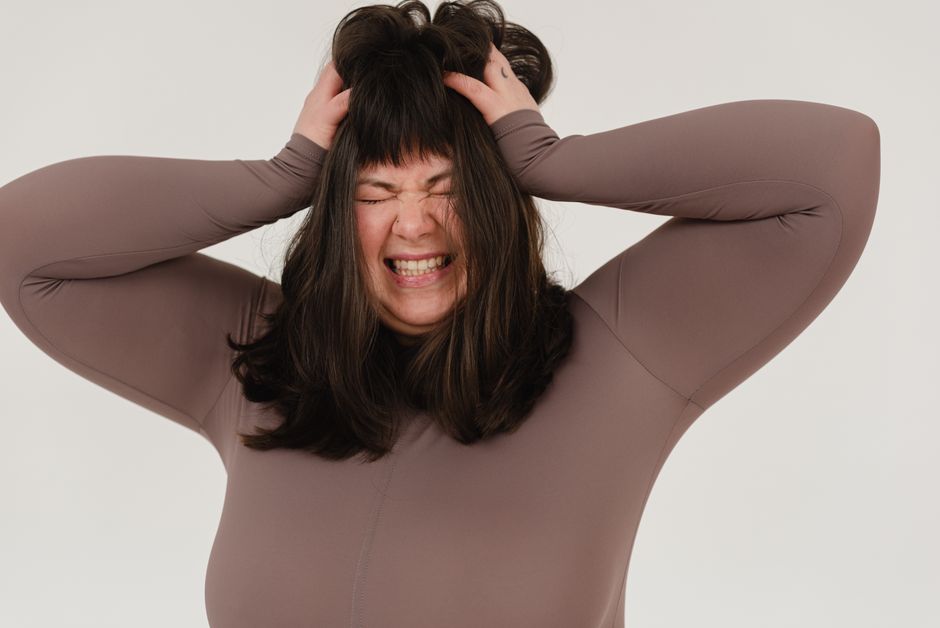
Your nervous system is not something you can switch off. It is a set of automatic circuits that decide, moment to moment, whether you are safe or under threat. You regulate it by working with those circuits rather than against them. Slow breathing, steady physical contact, movement, and sleep all shift the body toward its calm branch. Understanding how that branch works is what makes the techniques reliable instead of random.
Most people who feel constantly on edge are not broken. Their threat-response system is doing its job, just too often and for too long. The goal is not to feel nothing. It is to give your body clear signals that the emergency is over.
What Is The Autonomic Nervous System Actually Doing?
The autonomic nervous system runs the body functions you never think about. Heart rate, blood pressure, digestion, sweating, pupil size, and the release of stress hormones all fall under its control. It has two main branches that work in a push-pull relationship.
The sympathetic branch mobilizes you. It raises heart rate, tenses muscles, and pushes blood toward the limbs so you can act. The parasympathetic branch does the opposite. It slows the heart, supports digestion, and favors rest and recovery. Most of the parasympathetic influence on the heart travels through the vagus nerve, a long cranial nerve that connects the brain to the heart, lungs, and gut.
A useful and slightly non-obvious point: the sympathetic branch is not the villain. You need it to stand up without fainting, to focus, and to exercise. Problems arise when it stays switched on long after the stressful event has passed. Regulation is about returning to baseline, not eliminating arousal.
How To Regulate Your Nervous System And Find Calm Through Breathing
Slow breathing is the most direct lever you have over the autonomic system. You cannot consciously command your heart rate, but you can command your breath. Because breathing and heart rate are wired together, changing one changes the other.
When you inhale, heart rate tends to speed up slightly. When you exhale, it slows. This natural rhythm is called respiratory sinus arrhythmia, and it reflects vagal activity reaching the heart. Making your exhale longer than your inhale tips the balance toward the parasympathetic side.
A simple approach that some clinicians recommend:
- Breathe in through the nose for a comfortable count.
- Breathe out gently for a longer count than the inhale.
- Keep the breath quiet and unforced.
- Continue for a few minutes, not until you are dizzy.
The word “comfortable” matters. Forcing very slow breaths can cause lightheadedness and trigger anxiety in some people. The aim is a calm, steady rhythm, not a performance. If you feel worse, return to normal breathing.
Why Does Physical Contact And Grounding Help?
The nervous system takes safety cues from the body. Steady pressure, firm contact with the ground, and warmth all feed signals back to the brain that support a sense of safety. This is part of why a weighted blanket, a firm hug, or pressing your feet into the floor can feel settling.
Grounding techniques work on the same principle. Naming what you can see, hear, and feel pulls attention away from internal threat loops and back to the present environment. The evidence for grounding is strongest for managing acute distress rather than treating a chronic condition. It is a coping tool, not a cure.
Cold water on the face is worth a specific note. It triggers the dive reflex, a well-documented response that slows heart rate and shifts blood flow. This is a real physiological effect, but it is a short-term reset. It does not resolve an ongoing stress problem, and people with certain heart conditions should be cautious with sudden cold exposure.
What Role Do Sleep, Movement, And Blood Sugar Play?
You cannot regulate your way out of a body that is running on too little sleep. Sleep deprivation raises sympathetic activity and makes the threat system more reactive. The relationship is well established. One poor night can leave you more irritable and more easily startled the next day.
Regular movement helps too. Exercise changes stress hormone levels and improves mood over time. The effect is not instant and not dramatic after a single session, but the pattern across weeks and months is consistent in the research.
Blood sugar is an underrated factor. When glucose drops, the body releases adrenaline and cortisol to correct it. That can feel like anxiety, with a racing heart and shaky hands. If you notice these feelings arriving between meals, eating regularly may matter more than any breathing exercise.
Caffeine deserves a mention as well. It blocks adenosine, the molecule that builds sleep pressure, and it raises sympathetic activity. For people who are sensitive, cutting back or stopping earlier in the day can reduce that wired, jittery feeling more than any technique.
How Do You Tell A Normal Stress Response From Something More?
Everyday stress responses are temporary. They rise, peak, and settle. When the system stays activated for weeks or months, the pattern changes. Persistent anxiety, trouble sleeping, irritability, and a body that will not relax are signs worth taking seriously.
This is where self-regulation techniques reach their limits. They are useful tools for managing day-to-day stress. They are not a substitute for professional care when symptoms are persistent, intense, or interfering with daily life. Anxiety disorders, trauma responses, and some medical conditions can produce physical symptoms that look like stress but need proper assessment.
Conditions such as an overactive thyroid or certain heart rhythm problems can cause a racing heart and a sense of panic. That is why ongoing symptoms deserve a medical check rather than being assumed to be stress. No breathing exercise should be used to explain away symptoms that need a diagnosis.
What Actually Works And What Does Not?
Some popular techniques have more evidence behind them than others. Here is an honest comparison.
| Approach | Evidence Strength | What It Does |
|---|---|---|
| Slow breathing with longer exhale | Well established | Shifts heart rate toward parasympathetic control |
| Regular aerobic exercise | Well established | Lowers stress reactivity over time |
| Good sleep habits | Well established | Reduces sympathetic activation |
| Grounding and sensory focus | Some evidence | Helps manage acute distress |
| Cold water face immersion | Established short-term effect | Brief reset via dive reflex |
| Vagus nerve “hacks” sold online | Limited or absent | Marketing often outruns the evidence |
Be cautious with products that promise to “reset” your nervous system. No device or supplement has been shown to do that. The vagus nerve is real and important, but claims that a specific gadget or pill targets it directly are not supported by strong human trials.
What Is The Simplest Daily Routine?
Regulation works best as a habit, not an emergency measure. Small, repeated actions train the system to return to baseline more easily.
- Start the day with a few minutes of slow, comfortable breathing.
- Move your body most days, even a short walk.
- Keep regular meal times to avoid blood sugar dips.
- Protect your sleep window and cut caffeine in the afternoon.
- Use grounding when you notice tension building, not only after it peaks.
The point is not perfection. It is giving your body repeated, reliable signals that it is safe. Over time, those signals add up.
Frequently Asked Questions
How long does it take to calm your nervous system?
Slow breathing can shift heart rate within a minute or two. Broader changes in stress reactivity usually take weeks of consistent habits like sleep, movement, and regular meals.
Does the vagus nerve control anxiety?
The vagus nerve is a major part of the parasympathetic system and influences heart rate and digestion. It is involved in calm states, but anxiety involves many brain and body systems, so it is not controlled by one nerve alone.
Can you regulate your nervous system without medication?
Many people manage everyday stress with breathing, movement, sleep, and grounding techniques. Persistent or severe symptoms may need professional care, and a clinician can help decide what is appropriate.
Why does my nervous system feel stuck in fight or flight?
Ongoing stress, poor sleep, and unresolved worry can keep the sympathetic branch activated. If the feeling lasts for weeks or interferes with daily life, it is worth discussing with a doctor.
