
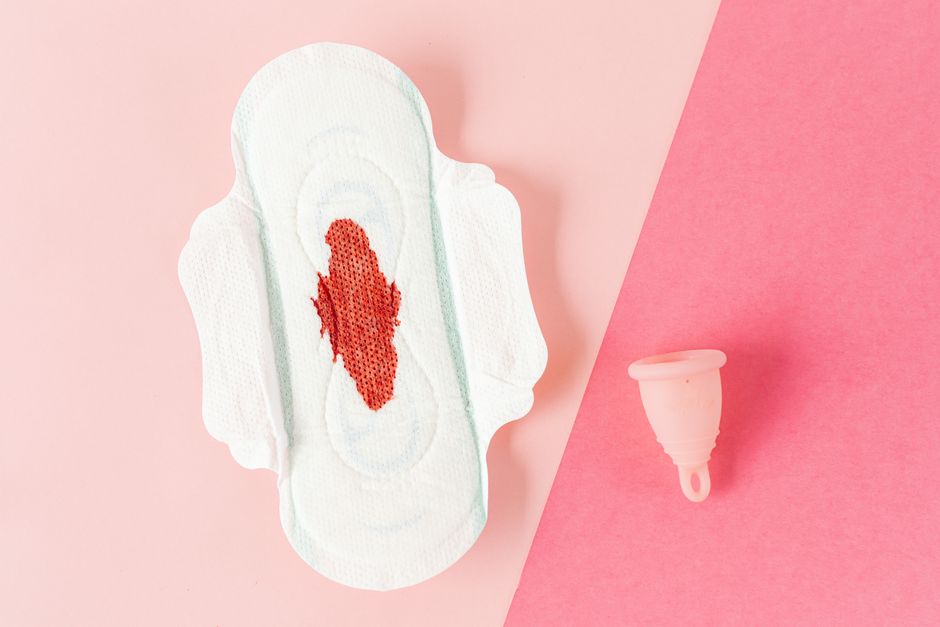
If your periods arrive at wildly different times each month, the first thing to understand is that “irregular” can mean several different things — and the right approach depends on which one you have. For many people, the most effective natural steps are the same ones that support overall hormonal health: eating enough, sleeping well, managing stress, and getting regular movement. But some causes of irregular periods, including thyroid disease and PCOS, need medical treatment, and no lifestyle change will fix them on its own.
What Counts as an Irregular Period?
A typical menstrual cycle runs somewhere between 21 and 35 days from the first day of one period to the first day of the next. Cycles outside that range, cycles that vary by more than about 7 to 9 days from month to month, or periods that stop for three months or longer without pregnancy are generally considered irregular.
Doctors often use the term “irregular” loosely, but it helps to separate a few patterns:
- Oligomenorrhea — periods that come too infrequently, usually more than 35 days apart.
- Polymenorrhea — periods that come too often, less than 21 days apart.
- Metrorrhagia — bleeding between periods.
- Amenorrhea — no period for three months or more.
Each pattern points toward different causes. A teenager who has been menstruating for less than two years, and someone in the years leading up to menopause, often have irregular cycles as a normal part of hormonal transition. For everyone else in their reproductive years, a persistent irregular pattern is worth investigating rather than accepting.
What Causes Irregular Periods?
The menstrual cycle depends on a precise conversation between the brain, the pituitary gland, the ovaries, and the uterus. Anything that disrupts that conversation can shift timing or stop ovulation.
The most common causes in adults include:
- Polycystic ovary syndrome (PCOS) — a hormonal condition that interferes with ovulation and is one of the most frequent reasons for irregular cycles.
- Thyroid disorders — both an underactive and an overactive thyroid can disrupt the cycle.
- High prolactin levels — sometimes from medication or a benign pituitary issue.
- Significant weight loss or weight gain — especially rapid change.
- Intense exercise with low energy intake — common in endurance athletes.
- Chronic stress — sustained high cortisol can suppress the hormonal signals that trigger ovulation.
- Perimenopause — the transition years before menopause, when cycles often become unpredictable.
- Medications — some antidepressants, antipsychotics, and hormonal contraceptives can affect bleeding patterns.
Missing from that list: the idea that irregular periods are “just something you live with.” That framing is not supported by how these conditions are understood clinically. A single irregular cycle is rarely meaningful. A pattern that persists for several months usually points to something identifiable.
How Does Stress Affect Your Menstrual Cycle?
Sustained psychological stress can delay or suppress ovulation. That is one of the better-established connections between lifestyle and cycle regularity.
The mechanism runs through the hypothalamus, a small region at the base of the brain that controls the hormonal cascade driving the menstrual cycle. When the body is under chronic stress, the hypothalamus reduces its output of gonadotropin-releasing hormone (GnRH). Less GnRH means less follicle-stimulating hormone and luteinizing hormone from the pituitary, which means the ovaries receive weaker signals to mature an egg and release it.
Without ovulation, the second half of the cycle — the luteal phase — does not unfold normally. Progesterone stays low. The result is often a delayed period, a missed period, or unpredictable bleeding.
This is why stress-related cycle changes tend to show up as longer or absent cycles rather than shorter ones. It also explains why a single stressful month rarely matters, but a stressful season often does.





How To Regulate Irregular Periods Naturally
When no underlying medical condition is driving the irregularity, lifestyle changes that support normal ovulation can help restore a more predictable cycle. These approaches work by giving the hormonal system what it needs to function — not by forcing the cycle into a schedule.
Eat Enough, Regularly
Chronic undereating — whether intentional or from a busy schedule that skips meals — signals to the brain that conditions are not safe for reproduction. The hypothalamus responds by dialing down GnRH. Eating regular meals with adequate calories, protein, and fat supports the hormonal signals that trigger ovulation.
There is no single “period-regulating diet” with strong clinical trial evidence behind it. What has better support is the broader principle: consistent, adequate nutrition matters more than any specific food.
Manage Stress Deliberately
Since stress suppresses the hormonal cascade, lowering chronic stress is one of the more direct things you can do. This does not mean eliminating stress — it means reducing the sustained load. Sleep, therapy, mindfulness practices, and time in nature all have some evidence for lowering stress markers, though the strength of evidence varies by approach.
How quickly this helps depends on how long the stress has been ongoing. Some people see cycle changes within a few months; others take longer.
Move, But Not to Excess
Moderate regular exercise supports hormonal health. Excessive exercise combined with low calorie intake does the opposite — it is a well-documented cause of missed periods in athletes. If your training volume is high and your cycles have become irregular, the combination of energy intake and training load is worth examining.
Address Weight Changes
Both significant weight loss and significant weight gain can disrupt ovulation. For people with PCOS, even modest weight loss — when it is appropriate — has been shown in some studies to improve cycle regularity. This is not a universal recommendation, and weight is not the cause of irregular periods for most people. It is one factor among several.
Sleep Consistently
Sleep and the reproductive hormones are linked. Shift work and chronic sleep disruption are associated with menstrual irregularities in some studies. Consistent sleep timing and adequate duration support the hormonal rhythms that underlie the cycle.
When Natural Approaches Are Not Enough
Some causes of irregular periods will not respond to lifestyle changes alone. This is important to state plainly, because the internet is full of claims that they will.
PCOS, thyroid disease, high prolactin, and structural issues in the uterus or ovaries typically require medical evaluation and often medical treatment. If your cycles have been irregular for several months, or if you have additional symptoms like acne, excess hair growth, hair loss, unexplained weight change, or fatigue, a doctor can check the hormones and rule out these conditions.
No natural remedy has been shown in large human trials to correct irregular periods caused by PCOS or thyroid disease. Supplements marketed for cycle regulation — including inositol, vitex, and maca — have some preliminary research behind them, but the evidence is not strong enough to present them as reliable treatments. Some clinicians recommend inositol for PCOS specifically, but this is not a settled standard of care.
If you are trying to conceive, or if irregular bleeding is heavy, prolonged, or accompanied by pain, seek medical care rather than experimenting with lifestyle changes first.
How Long Does It Take to See Changes?
When lifestyle factors are the cause, changes in cycle regularity often take two to three months to appear. That is because each cycle is roughly a month long, and the hormonal adjustments that precede a shift in ovulation take time to build.
If nothing has changed after three to four months of consistent effort, that is a signal to see a doctor. It does not mean you failed — it means the cause is likely something that requires medical attention.
Tracking your cycles with dates, flow, and any symptoms gives your doctor useful information and helps you see patterns you might otherwise miss.
What About Birth Control Pills?
Hormonal contraceptives regulate bleeding, but they do not regulate the underlying cycle. When you take a combined pill, the withdrawal bleed you experience is not a true menstrual period — it is a response to the drop in hormones during the placebo week. Ovulation is suppressed entirely.
This matters for how you interpret “regular.” A pill can make your bleeding predictable without addressing why your natural cycles were irregular. When you stop the pill, the original pattern often returns unless the underlying cause has been resolved.
That is not an argument against using hormonal contraception — it is an argument for understanding what it does and does not do.
Frequently Asked Questions
Can stress alone cause irregular periods?
Yes. Sustained stress can suppress the hormonal signals that trigger ovulation, leading to delayed, missed, or unpredictable periods. A single stressful event rarely causes lasting change, but months of chronic stress can.
How long should I wait before seeing a doctor about irregular periods?
If your cycles have been irregular for three months or longer, or if you have gone three months without a period and are not pregnant, it is reasonable to see a doctor. Additional symptoms like acne, hair changes, or fatigue make evaluation more urgent.
Do supplements like vitex or inositol actually regulate periods?
The evidence is limited. Some small studies suggest inositol may help with cycle regularity in PCOS, and some clinicians recommend it, but larger trials are needed before it can be called a reliable treatment.
Can losing weight fix irregular periods?
For some people with PCOS, modest weight loss has been associated with improved cycle regularity in some studies. For most people with irregular periods, weight is not the primary cause, and weight loss is not a general solution.
