
You cannot directly control your hormones the way you control your diet or sleep schedule. What you can do is support the systems that regulate them. Regular movement, consistent sleep, stable blood sugar, and adequate nutrition all influence the hormones that drive your menstrual cycle. None of these is a quick fix. But over time, they can reduce symptom severity and help your cycle feel more predictable.
The menstrual cycle is governed by a feedback loop between the brain, the pituitary gland, and the ovaries. Estrogen and progesterone rise and fall in a predictable pattern. Symptoms like cramps, mood shifts, and fatigue come from those shifts, not from a hormonal “imbalance” in most cases. Understanding what is actually happening makes it easier to know what lifestyle changes can realistically help and what they cannot.
What Actually Controls Your Menstrual Cycle?
The hypothalamus, a small region at the base of the brain, releases gonadotropin-releasing hormone (GnRH) in pulses. That signal tells the pituitary gland to release follicle-stimulating hormone (FSH) and luteinizing hormone (LH). These hormones act on the ovaries, which produce estrogen and progesterone.
The cycle has two main phases. In the follicular phase, estrogen rises as an egg matures. Ovulation follows, triggered by a sharp surge in LH. Then comes the luteal phase, when the empty follicle becomes the corpus luteum and produces progesterone. If pregnancy does not occur, the corpus luteum breaks down, progesterone and estrogen drop, and menstruation begins.
That drop in hormones at the end of the luteal phase is what drives most premenstrual symptoms. It is a normal physiological event, not a disorder. The brain, ovaries, and adrenal glands all participate in this loop, which is why factors like stress, sleep, and blood sugar can influence how the cycle feels.
One clarification worth making: the term “hormone imbalance” gets used loosely in marketing. True clinical hormone disorders exist, such as polycystic ovary syndrome (PCOS) or thyroid dysfunction. But most people with ordinary cycle-related symptoms do not have a diagnosable hormone disorder. They have a normal cycle that feels uncomfortable.
How To Regulate Hormones During Your Period Naturally Through Lifestyle
Lifestyle factors do not override the hormonal cycle. What they can do is influence how the body responds to it. The evidence for most of these is moderate, not definitive. But the mechanisms are reasonably well understood and the risks are low.
Blood sugar stability
Insulin affects sex hormone production. When blood sugar swings widely, insulin rises and falls in response. Some research suggests that stabilizing blood sugar through regular meals, adequate protein, and fiber may reduce premenstrual mood symptoms and cravings. The evidence is not strong enough to call this proven, but the approach is low-risk and generally consistent with good nutrition.
Sleep
Sleep disruption affects the hypothalamic-pituitary-gonadal axis. Chronic poor sleep is associated with irregular cycles and worse premenstrual symptoms. The relationship is well documented, though causality is harder to establish. What is clear is that sleep deprivation raises cortisol and disrupts the hormonal feedback loop. Prioritizing consistent sleep timing is one of the more reliable levers available.
Movement
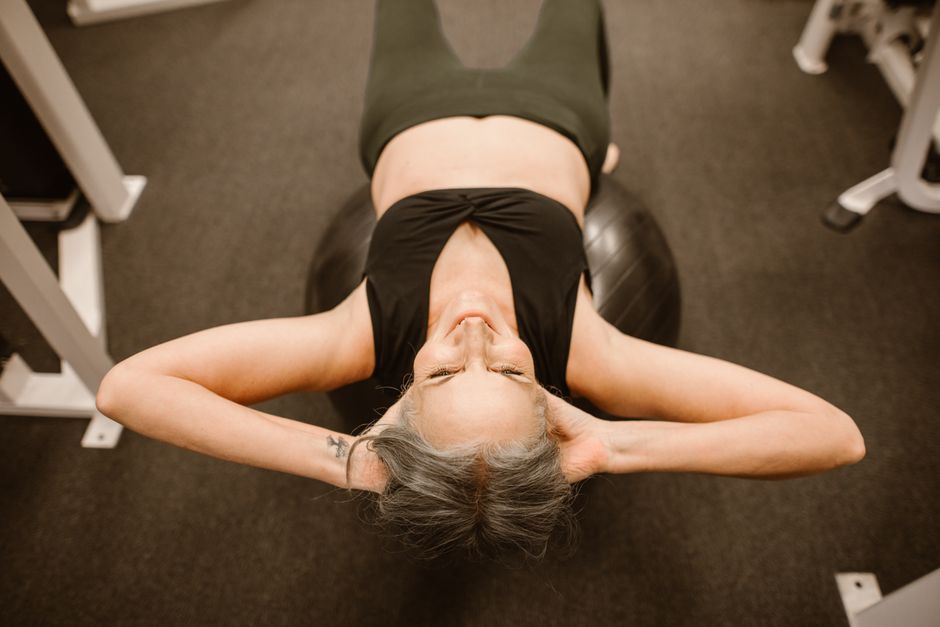
Regular moderate exercise is associated with reduced premenstrual symptom severity in some studies. The effect is modest. Very intense training, on the other hand, can suppress the cycle entirely in some people, a condition called functional hypothalamic amenorrhea. The dose matters. Moderate, consistent activity tends to support cycle health. Extreme training without adequate fueling can disrupt it.
Stress
Cortisol and reproductive hormones share the same upstream regulator, GnRH. Chronic stress can suppress GnRH pulsatility, which may delay ovulation or alter cycle timing. The evidence here comes largely from observational and physiological studies, not large trials. But the mechanism is well established. Stress management is not a cure for cycle symptoms, but reducing chronic stress load is reasonable and low-risk.
Does Diet Really Affect Period Hormones?
Diet influences hormone metabolism and inflammation, but the effects are gradual and modest. No single food regulates hormones. The evidence points to overall dietary patterns rather than specific ingredients.
Fiber intake is one area with reasonable support. Fiber binds to estrogen in the gut and influences how much is reabsorbed versus excreted. Some studies suggest higher fiber intake is associated with lower circulating estrogen levels. The clinical significance of this for cycle symptoms is not fully established.
Healthy fats matter because cholesterol is the precursor to sex hormones. Very low-fat diets may affect hormone production in some people, though the research is not conclusive. Omega-3 fatty acids from fish or plant sources have been studied for menstrual pain. Some trials show modest reductions in cramp severity compared with placebo. The evidence is mixed but not trivial.
What does not have strong evidence: eliminating entire food groups, “hormone-balancing” supplements, or detox protocols. No clinical trial has confirmed that these approaches regulate menstrual hormones. Some supplements, particularly certain herbal products, can interact with medications or affect liver function. The evidence for most is limited.
What About Supplements and Herbal Remedies?
This is where marketing outpaces evidence. Many products claim to “balance hormones” or “support cycle health.” Few have been tested in well-designed human trials.
Some evidence exists for a few specific supplements. Vitamin B6 has been studied for premenstrual symptoms, with mixed results. Magnesium has some support for reducing menstrual pain and premenstrual mood symptoms, though trial quality varies. Calcium supplementation has been studied for premenstrual symptoms with modest effects in some trials. Evening primrose oil has been studied for breast tenderness and menstrual pain, but results have been inconsistent.
None of these is a treatment for a diagnosed hormone disorder. None replaces medical evaluation if symptoms are severe or disrupting daily life. And no supplement is risk-free. Herbal products are not tightly regulated in the US, which means purity and dose can vary between products.
If you are considering a supplement, the reasonable approach is to discuss it with a clinician who knows your health history and any medications you take. This is especially important if you have a liver condition, take blood thinners, or are pregnant or trying to conceive.
When Should You See a Doctor About Period Symptoms?
Lifestyle changes can help with ordinary cycle discomfort. They are not a substitute for medical evaluation when something is genuinely wrong.
Seek medical attention if you experience:
- Periods so heavy you soak through a pad or tampon every hour for several hours
- Severe pain that does not respond to over-the-counter pain relievers
- Cycles shorter than 21 days or longer than 35 days on a consistent basis
- Missed periods for three months or more without pregnancy
- Bleeding between periods or after sex
- Symptoms that interfere with work, school, or daily functioning
These signs can point to conditions like endometriosis, uterine fibroids, thyroid disorders, or PCOS. Each has specific diagnostic criteria and treatment options. Lifestyle approaches are not a substitute for diagnosis.
Some clinicians recommend tracking cycles for several months before an appointment. That record can help identify patterns and make the conversation more useful.
Can You Really “Balance” Your Hormones Naturally?
The honest answer is that the phrase “hormone balancing” is not a medical term. It has no defined clinical meaning. The menstrual cycle is not something to be balanced. It is a dynamic process that shifts daily.
What you can do is support the conditions under which the cycle tends to function well: adequate nutrition, stable blood sugar, consistent sleep, manageable stress, and appropriate movement. These are not glamorous. They do not produce immediate results. But they are the factors with the most consistent evidence behind them.
What you cannot do is reset your hormones through diet alone, or “flush” excess estrogen with a detox, or fix a hormonal disorder with lifestyle changes. Those claims are not supported by clinical evidence.
The menstrual cycle is resilient but not infinitely adaptable. If something feels persistently wrong, the most useful step is a medical evaluation, not another supplement or elimination diet.
Frequently Asked Questions
Can you regulate your hormones during your period naturally?
You cannot directly control hormone levels, but lifestyle factors like sleep, nutrition, stress management, and moderate exercise can influence how the body responds to normal hormonal shifts. These approaches may reduce symptom severity but do not replace medical treatment for diagnosed hormone disorders.
What foods help balance hormones during a period?
No single food balances hormones. Higher fiber intake, adequate protein, and healthy fats are associated with better hormonal metabolism in some studies. The evidence supports overall dietary patterns rather than specific foods.
Do supplements help regulate period hormones?
Evidence is limited and mixed for most supplements marketed for cycle health. Some studies suggest magnesium and vitamin B6 may modestly reduce premenstrual symptoms, but results vary and none treats a diagnosed hormone disorder. Discuss any supplement with a clinician first.
When should I see a doctor for irregular periods?
See a doctor if your cycles are consistently shorter than 21 days or longer than 35 days, if you miss periods for three months or more without pregnancy, or if bleeding is extremely heavy or painful. These can signal conditions that need diagnosis and treatment.
