
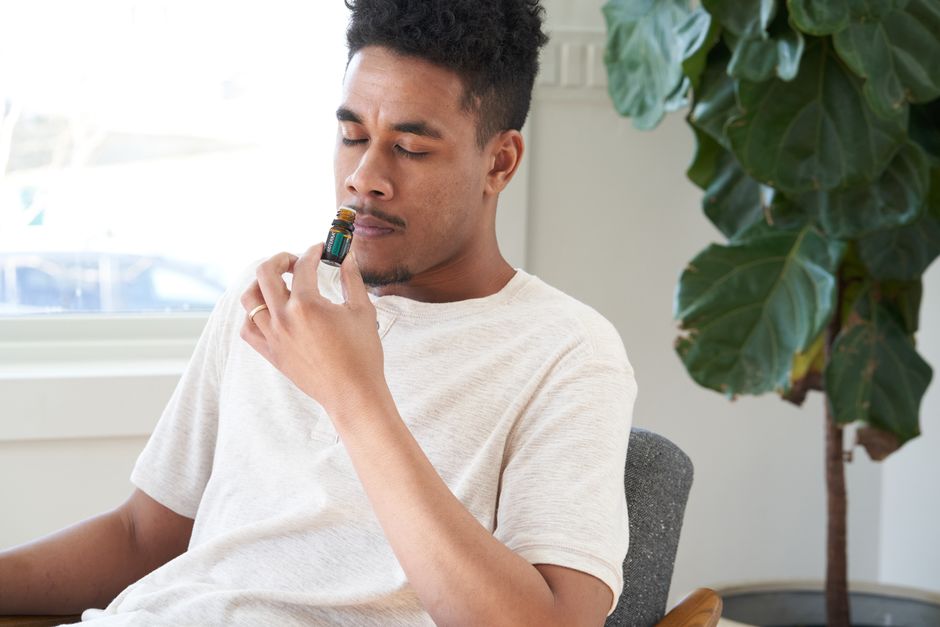
Most people who lose smell and taste after COVID-19 get them back on their own. The senses usually return gradually over weeks, and many people notice real improvement within a month or two. A smaller group has symptoms that last much longer, and that is where training and medical help matter. The core approach is smell training, patience, and a check for other causes if recovery stalls.
What most people call “losing taste” after COVID-19 is usually a loss of smell. The two senses are wired together, so food tastes bland when smell is gone. Understanding that link changes how you approach recovery.
Why Does COVID-19 Take Away Smell And Taste?
The virus does not appear to destroy the smell neurons themselves. Research points to supporting cells in the nasal lining — the ones that help smell neurons work — as the main target. When those cells are disrupted, the signal from odor molecules to the brain gets interrupted.
This matters for recovery. Because the sensory neurons are largely spared, the system can often rebuild its connections. That is one reason most people recover. It also explains why the process takes time rather than resolving overnight.
Taste loss is more complicated. True taste — sweet, salty, sour, bitter, and umami — is carried by taste buds and their nerves. Many people who report “no taste” actually have intact taste but lost smell. The brain combines smell, taste, and texture into what we experience as flavor. Remove smell and food feels flat even when the taste buds work fine.
A smaller number of people do have genuine taste disturbance. The evidence on how often that happens, and how it works, is less clear than for smell. Some studies suggest the virus can affect taste pathways directly, but the research is not settled.
How Long Does It Usually Take To Recover?
Most recovery happens in the first few months. Studies that followed people after infection generally find that a majority regain most of their smell within several weeks to a few months. The exact share varies widely between studies, so treat any single percentage with caution.
A meaningful minority — estimates vary — still have some loss at six months or longer. A smaller group has lasting problems beyond a year. These are the people who benefit most from structured treatment and a medical evaluation.
Recovery is rarely a straight line. People often describe good days and bad days, or smells that come back distorted before they normalize. That pattern is common and does not mean something is wrong.
One non-obvious point: partial recovery is the norm, not full recovery. Many people get most of their smell back but notice it is not quite as sharp as before, especially for subtle odors. For most, this is a minor inconvenience rather than a daily problem.
What Is Smell Training And Does It Work?
Smell training is the main self-directed approach with real support behind it. It means deliberately sniffing a small set of distinct scents on a regular schedule over weeks to months. The goal is to repeatedly stimulate the smell system and encourage it to rewire.
The evidence is encouraging but not airtight. Some studies show measurable improvement in people who train compared with those who do not. Other studies are less clear, and the quality of research varies. The general clinical view is that it is low-risk and worth trying, even if the benefit is modest for some people.
How it is typically done:
- Choose four scents from different categories — for example, a citrus, a floral, a spice, and something resinous like eucalyptus or coffee.
- Sniff each one slowly for about 20 seconds, focusing your attention on it.
- Repeat twice a day, ideally morning and evening.
- Keep going for at least several weeks before judging whether it is helping.
The concentration and consistency matter more than the specific scents. Some clinicians suggest rotating in new scents after a few months to keep the training varied. There is no single official protocol, so different clinics use slightly different routines.
Why Does Food Taste Wrong After COVID-19?
Distorted smell — called parosmia — is a common and frustrating part of recovery. Foods that once smelled pleasant, like coffee, meat, or onions, can suddenly smell like garbage, chemicals, or something burnt. Some people also get phantom smells that are not there at all.
Parosmia is generally a sign that the smell system is reconnecting, not that it is getting worse. As new nerve connections form, signals can get crossed or misread. For most people it fades over time, though it can take many months and is sometimes the slowest part of recovery.
There is no proven cure for parosmia. Some clinicians recommend smell training, and some suggest avoiding trigger foods temporarily while keeping the diet varied. The evidence for specific treatments is limited, so treat strong claims with skepticism.
When Should You See A Doctor?
See a doctor if your smell or taste has not improved after a few months, if the loss is complete and one-sided, or if you have other symptoms like nasal blockage, pain, or bleeding. These can point to causes other than COVID-19.
Loss of smell is not always caused by the virus. It can come from chronic sinus problems, nasal polyps, head injury, certain medications, and some neurological conditions. A doctor can help sort out which is most likely and whether a referral to an ear, nose, and throat specialist makes sense.
Be cautious with unproven remedies. Steroid nasal sprays are sometimes used, but the evidence that they help post-COVID smell loss specifically is limited. Some clinicians still try them for short periods. Avoid anything marketed as a guaranteed fix — no treatment has been shown to reliably restore smell quickly.
What Practical Steps Can Help Recovery?
Beyond smell training, the main levers are patience, safety, and attention. There is no supplement or device with strong evidence behind it, so focus on what is supported and avoid spending money on hype.
Safety matters more than most people realize. With reduced smell, you may not detect smoke, gas leaks, or spoiled food. Make sure smoke and carbon monoxide detectors work, check food dates carefully, and do not rely on smell alone to judge whether something is safe.
Keep eating even when food is unappealing. Try stronger flavors, different textures, and foods you still enjoy. If parosmia makes certain foods unbearable, set them aside for now and revisit them later. Nutrition matters during recovery.
Give it time. The smell system repairs slowly, and progress is often measured in months rather than days. Most people do improve. For the smaller group who do not, a medical evaluation is the right next step.
Frequently Asked Questions
How long does it take to get smell and taste back after COVID?
Most people notice improvement within a few weeks to a few months. A smaller group still has some loss at six months or longer and may benefit from smell training and a medical check.
Does smell training really work for COVID smell loss?
Some studies show measurable improvement with regular smell training, though results vary and the research quality is mixed. It is low-risk and widely recommended, so it is reasonable to try for several weeks.
Why does food smell bad after COVID?
This is called parosmia and usually reflects the smell system reconnecting and misreading signals. It often fades over months, though it can be one of the slowest symptoms to resolve.
Is loss of taste after COVID actually loss of smell?
Often yes — true taste is usually intact, but flavor depends heavily on smell. Many people who report no taste actually have a smell problem, which is why food seems bland rather than completely tasteless.
