
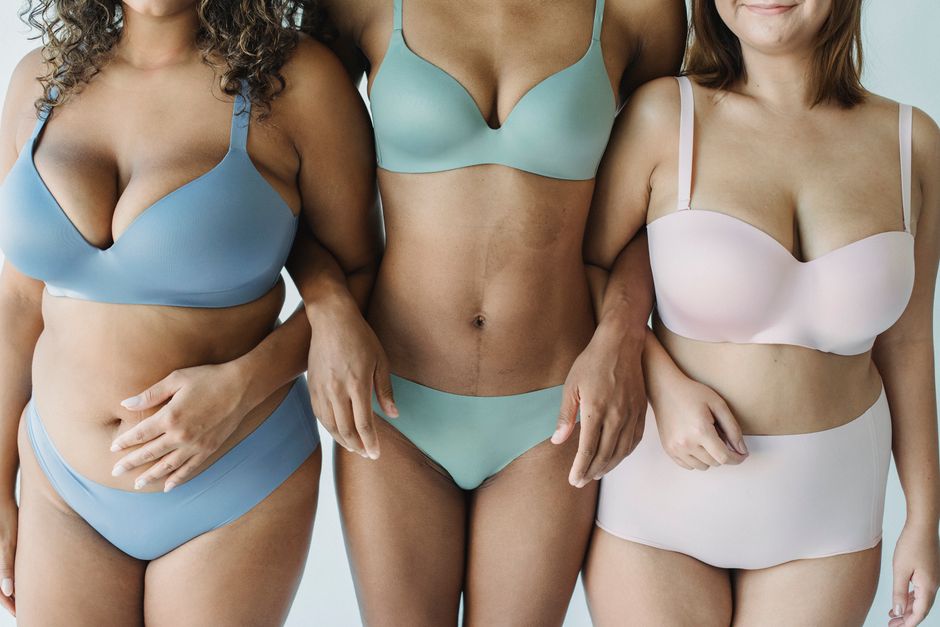
There is no exercise, food, or cream that reliably reduces breast size. The approaches with real evidence behind them are sustained weight loss, which can shrink breast tissue because breasts contain fat, and breast reduction surgery, which is a well-established procedure with predictable results and real recovery time. Everything else you see marketed for this purpose is either modest, temporary, or unproven.
That is the short answer. The longer answer involves understanding what your breasts are actually made of, why they change, and which options match your goals and your health. This guide walks through all of it honestly.
What Are Breasts Actually Made Of?
Breasts are not one uniform tissue. They are a mix of glandular tissue, fibrous connective tissue, and fat. The proportions vary enormously from person to person, and that variation explains almost everything about why breast size responds differently to different interventions.
Glandular tissue is the milk-producing part. Connective tissue provides structure and support. Fat fills the space around both. Some women have dense breasts that are mostly glandular and fibrous tissue. Others have breasts that are mostly fat. This is not something you can see or feel from the outside, and it matters for how much weight change will affect breast size.
Breast tissue sits on the chest wall over the pectoral muscles. There is no muscle inside the breast itself. This is a point worth stating plainly because it underlies why chest exercises cannot enlarge or shrink the breasts themselves — they build the muscle underneath, not the breast.
Does Weight Loss Reduce Breast Size?
Weight loss can reduce breast size, and this is one of the few well-supported facts in this area. Because breasts contain fat, losing body fat generally means losing some breast volume too.
How much is highly individual. It depends on how much of your breast is fat versus glandular tissue, where your body stores fat genetically, and how much weight you lose. There is no formula that predicts it. A woman whose breasts are mostly glandular tissue may notice little change. A woman whose breasts are largely fat may notice a meaningful difference.
Weight loss also tends to happen across the whole body rather than in one spot. You cannot target fat loss to your chest. Spot reduction — the idea that exercising a specific area burns fat there — is not supported by evidence. Fat loss follows overall energy balance and your genetic pattern of fat storage.
One practical point: when breast size drops with weight loss, the skin and connective tissue do not always shrink at the same rate. Some women notice looser skin or a change in breast shape afterward. This is common and worth knowing in advance.
Can Exercise Target Breast Fat?
No. Exercise cannot spot-reduce fat in the breasts, and chest exercises do not shrink breast tissue. This is one of the most persistent myths in fitness marketing.
What chest exercises like push-ups and chest presses do is strengthen the pectoral muscles beneath the breast. That can change the appearance of the chest wall and posture, but it does not change the amount of breast tissue or fat. Some women find that a stronger chest and better posture makes their breasts sit differently, but that is a postural effect, not a reduction in size.
Aerobic exercise contributes to overall fat loss, which may reduce breast size indirectly — the same way it reduces fat anywhere else. But there is no exercise that specifically targets the breasts.




Do Creams, Pills, and Massage Work?
No clinical evidence currently confirms that any cream, pill, or massage technique reduces breast size. This is a category where marketing runs far ahead of science.
Breast firming creams typically contain moisturizers and sometimes caffeine or plant extracts. None have been shown in controlled trials to reduce breast fat or glandular tissue. A moisturizer can temporarily make skin look smoother, which is not the same as reducing size.
Breast reduction pills sold online are a bigger concern. Some have contained undeclared ingredients, including hormones or diuretics. Diuretics cause water loss, not fat loss, and carry real risks. Hormonal ingredients can disrupt your cycle and have other effects. The FDA has warned about tainted products marketed for breast enhancement and reduction. If a product promises to change breast size, treat that promise as a red flag.
Massage may feel good and can reduce temporary swelling or fluid retention, but it does not remove breast tissue or fat. Any size change from massage is temporary at best.
What About Breast Reduction Surgery?
Breast reduction surgery, called reduction mammoplasty, is a well-established procedure that physically removes breast tissue, fat, and skin. It is the only approach that reliably and permanently reduces breast size, and it is performed for both cosmetic and medical reasons.
The medical case for it is real. Large breasts can cause chronic neck, shoulder, and back pain, skin irritation underneath the breasts, posture problems, and difficulty with physical activity. Research consistently shows that reduction surgery improves these symptoms for many women. It is not a minor procedure, though.
Recovery takes weeks, not days. Most women need time off work and limits on physical activity during healing. Scars are permanent, though they fade over time. Like any surgery, it carries risks of infection, bleeding, changes in nipple sensation, and difficulty with breastfeeding later. Insurance coverage varies widely and often depends on documented symptoms and how much tissue is removed. Some surgeons and insurers use body surface area calculations and symptom records to decide coverage.
If you are considering surgery, the meaningful step is a consultation with a board-certified plastic surgeon who can assess your situation honestly. Be wary of anyone who promises a specific outcome without examining you.
Can Hormones and Birth Control Change Breast Size?
Hormones can change breast size, and this is well established. Breast tissue is sensitive to estrogen and progesterone, which is why breasts change during puberty, pregnancy, and the menstrual cycle.
Hormonal birth control can cause breast fullness or tenderness in some women, and some notice a change in size. This varies a lot between individuals and between methods. When it happens, it is usually modest and often settles after the first few months. Some women notice the opposite — less fullness — with certain methods.
Breast size also changes naturally with age. Glandular tissue tends to be replaced by fat over time, and breast shape and fullness shift. Weight changes, pregnancy, and breastfeeding all leave their mark. These are normal physiological changes, not problems to fix.
Which Approach Fits Your Situation?
The right approach depends on why your breast size bothers you and what you are willing to do. There is no single answer, and it is worth being honest with yourself about your goal.
- If you want a modest change and are carrying extra weight: sustained weight loss through diet and activity is the most evidence-based route, with the caveat that results vary widely.
- If you have physical symptoms like back, neck, or shoulder pain, or skin irritation: talk to a doctor. This is a medical issue, and reduction surgery has good evidence for relieving these symptoms.
- If you want a better fit and support: a properly fitted bra can make a real difference in comfort and appearance, even though it does not change size.
- If you are considering creams or pills: the evidence does not support them, and some carry safety risks.
One thing worth saying clearly: breast size is not a health problem in itself. If your motivation is appearance rather than comfort or symptoms, that is a personal decision, and it is worth making with accurate information rather than marketing promises.
When Should You Talk to a Doctor?
Talk to a doctor if you notice a rapid change in breast size, a new lump, skin dimpling, nipple discharge, or pain that does not go away. These can have many causes, and most are not serious, but they deserve a proper evaluation rather than a guess.
A rapid, unexplained change in one breast is different from the gradual changes that come with weight, hormones, or age. Do not assume it is harmless, and do not assume it is dangerous either. Get it checked.
If large breasts are causing you physical symptoms, a doctor can also document those symptoms, which matters for insurance and for deciding whether surgery is appropriate. That conversation is worth having with a clinician who can examine you rather than relying on general information alone.
Frequently Asked Questions
Can you reduce breast size without surgery?
Weight loss is the main non-surgical route, and it can reduce breast size because breasts contain fat. How much it helps varies widely depending on how much of your breast is fat versus glandular tissue.
Does exercise reduce breast size?
Exercise contributes to overall fat loss, which may reduce breast size indirectly, but no exercise targets breast fat specifically. Chest exercises build the muscle underneath the breast and do not shrink breast tissue.
Do breast reduction creams actually work?
No clinical evidence confirms that creams reduce breast size. Some products marketed for this purpose have contained undeclared ingredients, so caution is warranted.
How much does breast reduction surgery cost and is it covered by insurance?
Costs vary widely by surgeon and region, and insurance coverage depends on documented symptoms and how much tissue is removed. A consultation with a board-certified surgeon is the reliable way to get specifics for your situation.
