
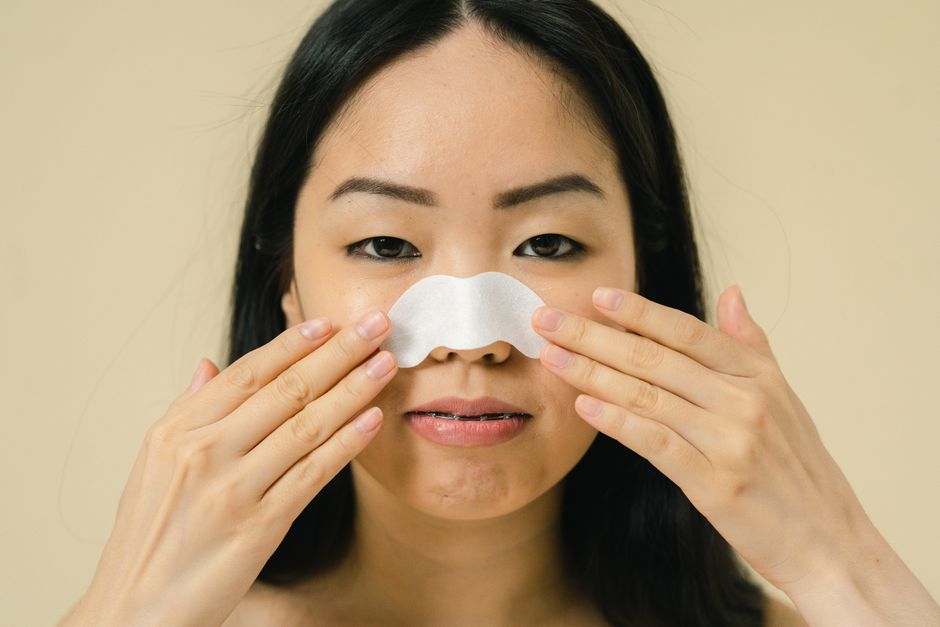
Whiteheads are blocked pores sealed over by a thin layer of skin. The most effective way to reduce them is to use treatments that keep the pore opening clear and speed up skin cell turnover. Dermatologists generally point to topical retinoids, salicylic acid, and gentle chemical exfoliation as the treatments with the most support. Picking and scrubbing tend to make things worse, not better.
Whiteheads are a form of acne called closed comedones. They form when dead skin cells and oil plug a hair follicle, and the pore stays covered by skin. That covering is why they look white or flesh-colored rather than dark. Understanding that structure explains why some treatments work and others do not.
What Causes Whiteheads in the First Place?
Whiteheads form when a pore gets blocked by a mix of dead skin cells and sebum, the oil your skin produces. The follicle stays closed at the surface, so the plug does not oxidize and darken the way a blackhead does. The result is a small, firm bump under the skin.
Several things drive this process. Hormones influence how much oil your skin makes. Genetics affect how quickly skin cells shed. Some people simply shed dead cells less efficiently, which makes plugs more likely. This is why whiteheads often run in families.
Products matter too. Heavy creams, some cosmetics, and occlusive ingredients can trap oil and cells inside the pore. This is not about being “dirty.” Cleansing more aggressively does not fix a plugged pore and can damage the skin barrier.
One clarification that surprises people: whiteheads are not caused by poor hygiene. The plug forms below the skin surface, where washing cannot reach. Overwashing and harsh scrubbing often irritate skin and make the problem look worse.
Which Treatments Actually Clear Whiteheads?
Topical retinoids have the strongest evidence for treating and preventing closed comedones. They work by speeding up how quickly skin cells turn over, which helps the plug work its way out and prevents new ones from forming. This is well established in dermatology.
Prescription retinoids include tretinoin, adapalene, and tazarotene. Adapalene is also available over the counter in some countries. Retinoids take time. Most people see improvement over weeks to a few months, not days. Expect some dryness and irritation at first, which usually settles as skin adjusts.
Salicylic acid is a beta hydroxy acid that helps loosen the material blocking pores. It is widely used in cleansers, toners, and spot treatments. The evidence for salicylic acid in comedonal acne is reasonable, though generally less strong than for retinoids. It can be a good option for people who cannot tolerate a retinoid.
Azelaic acid is another option some clinicians recommend. It has evidence for acne generally and tends to be gentler than retinoids for some skin types.
Here is a comparison of the main options:
| Treatment | How it works | Evidence strength | Typical timeline |
|---|---|---|---|
| Topical retinoids | Speed up skin cell turnover | Strong | Weeks to a few months |
| Salicylic acid | Loosens pore blockages | Moderate | Several weeks |
| Azelaic acid | Reduces acne and inflammation | Moderate | Several weeks |
| Physical extraction | Removes plug manually | Limited; risk of scarring | Immediate, but recurring |
Physical extraction by a dermatologist or trained esthetician can remove a whitehead quickly. It does not prevent new ones, and doing it yourself raises the risk of scarring and infection. This is one area where professional help genuinely matters.
How To Reduce Whiteheads: Treatments That Actually Work
The approach that works best combines a consistent routine with patience. No single product clears whiteheads overnight, and anything promising fast results deserves skepticism.
Start with a gentle cleanser used twice a day. Avoid harsh scrubs and anything that leaves skin tight or stinging. A damaged skin barrier makes irritation worse and does not clear pores.
Add one active treatment rather than several at once. A retinoid used at night is the most evidence-supported choice. Apply a small amount to the whole affected area, not just individual spots, because retinoids work by preventing new plugs as well as clearing existing ones. Use a moisturizer to reduce dryness.
If a retinoid irritates your skin, salicylic acid is a reasonable alternative. Some people use both, but layering too many actives at once increases irritation. Introduce one product, give it several weeks, then adjust.
Sunscreen matters more than people expect when using retinoids. Retinoids can make skin more sensitive to the sun, and daily sun protection helps prevent the dark marks that can linger after acne clears.
- Use a gentle cleanser twice daily.
- Apply a retinoid at night to the whole affected area.
- Moisturize to protect the skin barrier.
- Wear sunscreen every day.
- Give any new treatment several weeks before judging it.





What Makes Whiteheads Worse?
Picking and squeezing is the most common mistake. It can push the plug deeper, cause inflammation, and leave scars or dark marks. A whitehead that is picked often becomes a red, inflamed pimple.
Harsh scrubs and rough exfoliation irritate skin without clearing the plug, which sits below the surface. Overwashing strips the skin and can trigger more oil production. Neither helps.
Heavy, occlusive products can trap oil and cells. If you are prone to whiteheads, lighter, non-comedogenic moisturizers and cosmetics are a reasonable choice, though the evidence on specific ingredients is not airtight.
Some people find that certain foods seem to trigger breakouts. The evidence linking diet to acne is mixed and generally weaker than the evidence for genetics and hormones. It is reasonable to notice your own patterns, but cutting out whole food groups based on internet claims is not well supported.
When Should You See a Dermatologist?
See a dermatologist if whiteheads are widespread, painful, or not improving after a few months of consistent over-the-counter treatment. Persistent or scarring acne is worth professional attention.
Prescription options exist beyond what you can buy yourself. A dermatologist can prescribe stronger retinoids, combine treatments, or recommend procedures like professional extraction or comedone removal. They can also rule out other skin conditions that look similar.
Some bumps that look like whiteheads are actually something else, such as milia or closed cysts. Milia are small keratin-filled cysts that do not respond to acne treatments the same way. A clinician can tell the difference, which is one reason a proper diagnosis matters.
How Long Does It Take to See Results?
Most acne treatments take weeks to show clear improvement, and retinoids can take a few months. This is one of the most important things to understand, because many people give up too early.
Skin cell turnover happens on a cycle measured in weeks. A treatment that speeds turnover needs time to change what is happening in the pore. Judging a product after a few days is not a fair test.
Some people notice mild irritation or a temporary worsening when starting a retinoid. This is common and usually settles. If irritation is severe or does not improve, talk to a clinician rather than pushing through.
Consistency matters more than intensity. Using a treatment regularly, even at a lower strength, generally works better than using a strong product sporadically.
Frequently Asked Questions
Do whiteheads go away on their own?
Some whiteheads clear on their own over time, but many persist or recur without treatment. Consistent use of a retinoid or salicylic acid helps prevent new ones from forming.
Is it OK to squeeze a whitehead?
It is generally not recommended because squeezing can push the plug deeper and cause scarring or infection. Professional extraction is safer if a whitehead needs to be removed.
What is the fastest way to get rid of whiteheads?
There is no instant fix, but professional extraction can remove a whitehead quickly while a retinoid works to prevent new ones. Most topical treatments take weeks to show results.
Can I use a retinoid and salicylic acid together?
Some people do, but combining them raises the risk of irritation. It is usually better to introduce one at a time and see how your skin responds.
