

If your thyroid-stimulating hormone (TSH) came back high, the first thing to understand is that TSH is not thyroid hormone itself. It is a signal from your pituitary gland telling your thyroid how hard to work. A high TSH usually means your pituitary is pushing harder because it senses too little thyroid hormone in your blood. The most effective way to lower TSH is to correct the underlying cause — most often an underactive thyroid — and for many people that means thyroid hormone replacement prescribed by a doctor. Lifestyle steps like getting enough iodine, selenium, and sleep, managing stress, and treating other conditions can support thyroid function, but they are not proven to replace medical treatment when your thyroid is genuinely failing.
What Does A High TSH Level Actually Mean?
TSH stands for thyroid-stimulating hormone. It is made by the pituitary gland, a small structure at the base of your brain. Its job is to tell your thyroid gland to produce two hormones: T4 (thyroxine) and T3 (triiodothyronine).
The relationship works like a thermostat. When thyroid hormone levels drop, the pituitary releases more TSH to push the thyroid. When thyroid hormone levels rise, TSH falls. So a high TSH is usually the body’s way of saying thyroid hormone is running low.
This pattern most often points to hypothyroidism — an underactive thyroid. The most common cause in the United States is Hashimoto’s thyroiditis, an autoimmune condition where the immune system gradually damages the thyroid gland.
There is an important exception. A high TSH does not always mean the thyroid is failing. It can also rise temporarily during recovery from illness, in response to certain medications, or because of problems with the pituitary itself. This is why a single TSH number is never a full diagnosis. Doctors typically look at TSH alongside free T4, and sometimes free T3 and thyroid antibodies, before deciding what is going on.
Can You Lower TSH Naturally Without Medication?
Sometimes yes, and sometimes no — and the difference matters. Whether natural approaches can lower your TSH depends entirely on why it is high in the first place.
If your TSH is mildly elevated and your free T4 is still normal, some people are in what clinicians call subclinical hypothyroidism. In this situation, TSH can sometimes drift back toward normal on its own, and addressing diet, nutrient gaps, or stress may help. Some cases of subclinical hypothyroidism resolve without any treatment at all.
If your thyroid gland is genuinely underactive — for example, from Hashimoto’s or from thyroid surgery or radiation — no diet or supplement has been shown to restore normal thyroid function. In that case, thyroid hormone replacement is the standard treatment, and natural approaches work alongside it, not instead of it.
This is the honest dividing line. Natural strategies can support a thyroid that still works. They do not reliably fix one that does not.
How To Reduce TSH Levels Naturally And Effectively
The most effective natural steps target the factors that genuinely influence thyroid function. None of them are a substitute for medical care when thyroid failure is present, but each one addresses a real piece of the picture.
Get The Right Amount Of Iodine — Not More
Iodine is the raw material your thyroid uses to make hormone. Too little iodine can raise TSH. But too much iodine can also disrupt thyroid function and, in some people, trigger or worsen thyroid problems.
In the United States, most people get enough iodine from iodized salt and food. Severe iodine deficiency is uncommon here, which is why routine iodine supplements are not recommended for most adults. If you are unsure about your intake, that is a conversation to have with a clinician rather than a reason to start a high-dose supplement.
Check Selenium And Other Nutrients
Selenium is involved in converting T4 into the active hormone T3 and in protecting the thyroid from oxidative stress. Some studies suggest selenium may lower thyroid antibodies in people with Hashimoto’s, though results across studies are mixed and it is not established as a treatment that reliably lowers TSH.
Selenium has a narrow safe range. Too much is toxic. Brazil nuts are a concentrated source, and it is easy to overdo it. Do not start selenium supplements without checking with a doctor, especially if you take other medications.
Manage Stress And Protect Your Sleep
Chronic stress and poor sleep do not cause Hashimoto’s, but they can affect how your body handles thyroid hormone and how you feel day to day. Stress hormones can interfere with the conversion of T4 to T3.
This is supportive, not curative. Good sleep and stress management help your overall health and may help you feel better, but they are not proven to bring a failing thyroid back to normal.
Address Other Conditions And Medications
Some medications can raise TSH, including lithium and certain drugs used for heart or psychiatric conditions. Untreated sleep apnea and other illnesses can also affect thyroid test results. If your TSH is high, it is worth reviewing your medication list and other health conditions with your doctor.




What About Diet And Supplements For Thyroid Health?
No specific diet has been proven to lower TSH in people with established hypothyroidism. That said, a few dietary points are worth knowing.
- Goitrogens: Foods like raw cruciferous vegetables, soy, and millet contain compounds that can affect thyroid function in large amounts. For most people eating normal portions, this is not a concern. Cooking reduces these compounds.
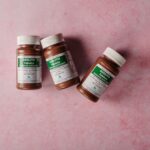
- Supplements marketed for thyroid: Many “thyroid support” products contain iodine, kelp, or animal thyroid extract. These can be risky. Kelp and iodine can push thyroid function in either direction, and animal thyroid extract contains actual hormone in uncontrolled amounts.
- Timing of thyroid medication: If you take thyroid hormone replacement, how and when you take it affects absorption. Taking it on an empty stomach, separated from iron, calcium, and certain other supplements, is standard advice.
The evidence for most “thyroid diets” is thin. Claims that a specific diet reverses hypothyroidism are not supported by clinical trials.
When Natural Approaches Are Not Enough
For overt hypothyroidism, thyroid hormone replacement — usually levothyroxine — is the established treatment. It replaces the hormone your thyroid is not making, which then allows TSH to fall back toward normal. This is one of the most well-understood treatments in medicine, and it is highly effective when dosed correctly.
Natural approaches do not replace this when the thyroid gland cannot produce enough hormone. Trying to manage overt hypothyroidism with diet and supplements alone can leave the condition untreated, and untreated hypothyroidism carries real risks to heart health, mental health, and pregnancy.
If you are already on thyroid medication and your TSH is still high, the answer is usually a dose adjustment — not a lifestyle change. That is a conversation with your prescribing doctor.
How Often Should You Recheck Your TSH?
If you are being treated for hypothyroidism, TSH is typically rechecked several weeks after any dose change, because it takes time for the pituitary to respond. Once your levels are stable, checks become less frequent.
If you have mildly elevated TSH and are not on medication, your doctor may simply recheck it after a period of time to see whether it normalizes. The right interval depends on your specific situation, so follow your clinician’s guidance rather than a fixed schedule you found online.
Frequently Asked Questions
Can I lower my TSH naturally without medication?
Sometimes, if your TSH is only mildly high and your thyroid is still working. If your thyroid gland is genuinely underactive, natural steps support treatment but do not replace it.
What foods lower TSH levels?
No specific food has been proven to lower TSH. Eating enough iodine and selenium through a balanced diet supports thyroid function, but food alone does not correct an underactive thyroid.
Does stress cause high TSH?
Stress does not cause Hashimoto’s or thyroid failure, but chronic stress can affect how your body uses thyroid hormone. Managing stress may help you feel better but is not proven to lower TSH on its own.
Should I take iodine supplements to lower my TSH?
For most people in the United States, no. Iodine deficiency is uncommon here, and too much iodine can disrupt thyroid function. Talk to your doctor before starting any iodine supplement.
