
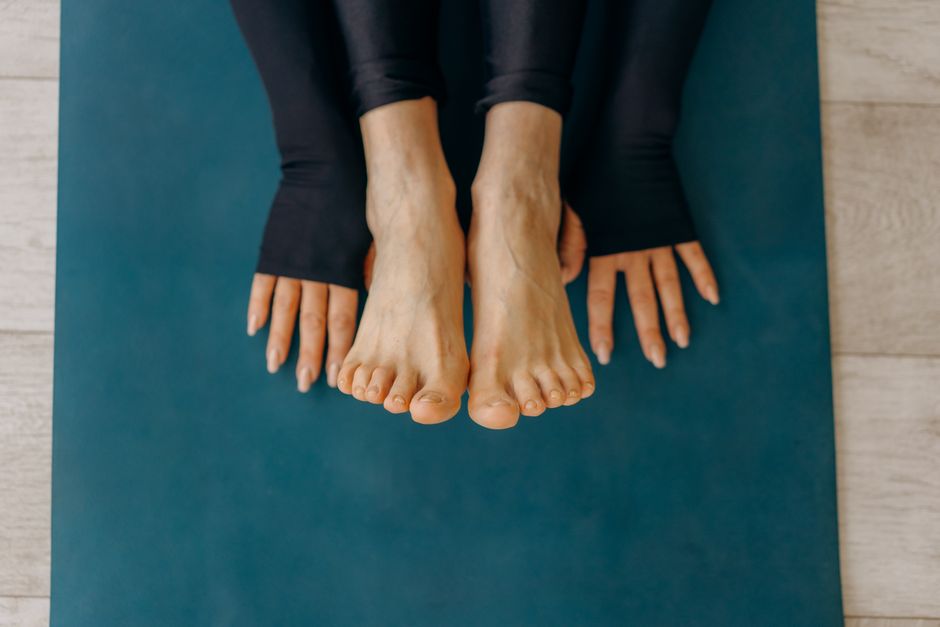
Swollen feet in pregnancy are common, and they are usually a normal result of pregnancy physiology rather than a sign that something is wrong. Your body holds more fluid during pregnancy, and your growing uterus presses on the veins that return blood from your legs. Both changes push fluid into the tissues of your feet and ankles. Simple measures — rest with your feet up, compression stockings, staying active, and avoiding long periods of standing — reduce swelling for most people. Sudden or severe swelling, especially with headache or vision changes, needs urgent medical care.
Why Do Feet Swell During Pregnancy?
Three normal changes work together to cause most pregnancy swelling.
First, blood volume rises substantially during pregnancy. Your body produces more blood to support the placenta and your growing baby. More blood means more fluid moving through your vessels, and some of that fluid filters into surrounding tissue.
Second, pregnancy hormones relax the walls of blood vessels. This vasodilation makes it easier for fluid to leak into the tissues of your legs and feet.
Third, as the uterus grows, it presses on the large veins in your pelvis, particularly the inferior vena cava. This slows the return of blood from your legs to your heart. When blood pools in the lower body, pressure builds in the small vessels, and fluid gets pushed into the surrounding tissue. Gravity makes this worse when you stand or sit for long periods.
Swelling tends to build through the day and ease overnight. That pattern is expected. Swelling that is present when you wake up, or that affects only one leg, is not typical and deserves a call to your clinician.
When Is Swelling a Sign of Something Serious?
Most swelling is harmless. A small set of warning signs points to conditions that need prompt medical attention.
Sudden swelling of the hands and face, especially in the second half of pregnancy, can be a sign of preeclampsia — a serious condition involving high blood pressure. It matters most when it comes with headache, vision changes, upper abdominal pain, or shortness of breath. These symptoms warrant urgent care, not a wait-and-see approach.
Swelling in one leg only, especially with pain, warmth, or redness in the calf, can signal a deep vein thrombosis — a blood clot. Pregnancy raises clot risk. This also needs urgent evaluation.
Severe swelling that comes on quickly, or swelling with chest pain or trouble breathing, is an emergency. Call for help rather than driving yourself.
Outside these situations, ordinary swelling is uncomfortable but not dangerous. The measures below are aimed at that everyday kind.
How To Reduce Swollen Feet During Pregnancy
Elevation is the most reliable everyday measure. Lying on your side with your feet raised above the level of your heart lets gravity help drain fluid back toward your core. Resting on your left side is often suggested because it keeps pressure off the inferior vena cava, though any side-lying position with feet up helps.
Compression stockings are supported by reasonable evidence for reducing leg swelling and discomfort in pregnancy. Graduated compression stockings squeeze the ankle most and the calf less, which helps push fluid upward. They are widely used in clinical practice. Fit matters — a stocking that is too tight or rolls at the top can make things worse. Ask your clinician about the right type for you, especially if you have circulation problems.
Movement helps too. Walking activates the calf muscles, which act like a pump to push blood and fluid back up toward the heart. Long stretches of standing or sitting still let fluid pool. If your job involves either, take regular breaks to walk and to put your feet up.
In warm weather, heat can worsen swelling. Staying cool and avoiding prolonged time in hot environments may help. Some people find that soaking feet in cool water brings temporary relief, though this does not treat the underlying fluid buildup.


What About Diet, Salt, and Water?
The relationship between salt and swelling is more complicated in pregnancy than many people assume.
Cutting salt drastically is not recommended in pregnancy. Your body needs sodium, and severe salt restriction is not a proven way to reduce pregnancy swelling. Standard advice is to eat a normal, balanced diet rather than to aggressively limit salt. Very high intakes of processed, salty foods may contribute to fluid retention in general, so moderating them is reasonable — but this is general guidance, not a targeted treatment for pregnancy swelling.
Drinking enough water matters. When you are well hydrated, your body is less likely to hold onto fluid as a stress response. Some people assume drinking less water will reduce swelling; the opposite tends to be closer to the truth.
No specific food or supplement has strong evidence for reducing normal pregnancy swelling. Be cautious with any product marketed for this purpose, especially herbal diuretics, which are not established as safe in pregnancy.
Does Exercise or Position Help?
Gentle activity supports circulation and can ease swelling. Walking, swimming, and prenatal yoga are commonly recommended forms of movement in pregnancy. Water pressure in a pool can also temporarily reduce leg swelling, which is one reason swimming feels good in later pregnancy.
Avoid standing motionless for long periods. If you must stand, shift your weight and flex your ankles now and then to keep blood moving. When sitting, avoid crossing your legs for long stretches, and prop your feet up when you can.
Some clinicians suggest ankle circles and foot flexes during long periods of sitting, such as on a plane or at a desk. The idea is to mimic the calf pump. These are low-risk and may help, though large trials specifically on pregnancy swelling are limited.
What Should You Avoid?
Skip diuretics unless a clinician prescribes them. “Water pills” are not appropriate for normal pregnancy swelling and can be harmful. They are sometimes used for specific medical conditions under supervision, but self-treating swelling with diuretics is not safe in pregnancy.
Be careful with herbal remedies marketed to reduce fluid retention. Many have not been studied for safety in pregnancy, and some can affect blood pressure or interact with other substances. The evidence for most of them is weak or absent.
Do not ignore swelling that changes suddenly or comes with other symptoms. The most important step is knowing which swelling is ordinary and which needs a clinician’s eyes.
When Does Pregnancy Swelling Usually Start and Stop?
Swelling most often becomes noticeable in the third trimester, as blood volume peaks and the uterus is largest. Some people notice it earlier, especially in warm weather or after long periods on their feet.
For most people, swelling eases after delivery as blood volume and hormone levels return toward baseline. Some swelling can persist for a short time after birth, particularly after a cesarean delivery or with IV fluids. If swelling after delivery is severe, sudden, or one-sided, tell your clinician.
Frequently Asked Questions
Is it normal to have swollen feet during pregnancy?
Yes, mild swelling of the feet and ankles is a normal part of pregnancy for most people. It usually builds through the day and eases with rest and elevation.
When should I worry about swollen feet in pregnancy?
Seek urgent care for sudden swelling of the hands and face, swelling in only one leg, or swelling with headache, vision changes, chest pain, or trouble breathing. These can signal serious conditions like preeclampsia or a blood clot.
Do compression stockings really help with pregnancy swelling?
Compression stockings are widely used and supported by reasonable evidence for reducing leg swelling and discomfort in pregnancy. Ask your clinician about the right fit and type for you.
Should I cut back on salt to reduce swelling?
No, severe salt restriction is not recommended in pregnancy and is not a proven way to reduce normal swelling. Eat a balanced diet and moderate heavily processed foods rather than cutting salt drastically.
