
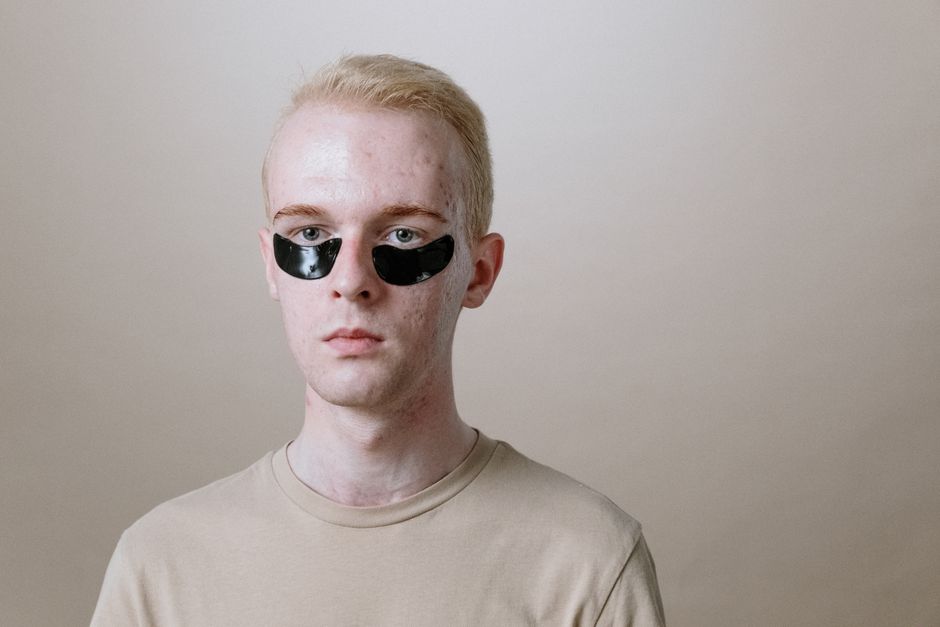
Pimple redness comes from inflammation, not just the bump itself. When a pore clogs with oil and dead skin cells, bacteria that normally live on skin can multiply inside it, and your immune system responds by sending blood and immune cells to the area. That response is what makes a pimple look red and feel tender. The fastest way to calm redness is to reduce the inflammation and stop irritating the spot: use a targeted anti-inflammatory treatment, keep your hands off it, and protect the area from sun and harsh products while it heals. Most pimples fade over several days, and picking or squeezing reliably makes redness worse and last longer.
Why Do Pimples Turn Red In The First Place?
Redness is a visible sign of inflammation. The body widens small blood vessels near the clogged pore so more immune cells can reach it. That extra blood flow shows through the skin as red or pink color, and the surrounding tissue can swell.
This is a normal immune response, not a sign that something is wrong. It also explains why redness often outlasts the bump. The clog can clear while the inflammation around it takes longer to settle.
Two things make redness worse. The first is physical trauma, like squeezing or scrubbing. The second is chemical irritation from harsh products. Both trigger more inflammation on top of what is already there.
How To Reduce Redness In Pimples What Works?
The approaches with the most consistent evidence are targeted anti-inflammatory ingredients, gentle skin care, and hands-off healing. Here is what the research supports and what it does not.
Benzoyl peroxide is one of the best-studied over-the-counter acne treatments. It kills acne-causing bacteria and reduces inflammation. It can dry and irritate skin, especially at higher strengths, so lower concentrations are often better tolerated. Some clinicians recommend starting at a lower strength and using it on the spot rather than the whole face.
Salicylic acid helps clear clogged pores by encouraging dead skin cells to shed. It is widely used, though its direct effect on redness specifically is less studied than its effect on clogging. It tends to be gentler than benzoyl peroxide for some people.
Niacinamide is a form of vitamin B3 used in many skin products. Some studies suggest it can reduce inflammation and improve the look of redness over time. It is generally well tolerated, though it works gradually rather than overnight.
Hydrocortisone cream is sometimes suggested for pimple redness because it is an anti-inflammatory. This is common practice, not strong evidence. It is not an acne treatment, and using steroid creams on the face regularly can thin the skin and cause other problems. Occasional short-term use is different from routine use, and it is worth asking a clinician before applying it to acne.
Ice or a cold compress can temporarily shrink blood vessels and dull redness for a short time. It does not treat the pimple. Brief contact is fine, but holding ice on skin for long periods can irritate it.
What does not work well: toothpaste, lemon juice, alcohol-heavy toners, and scrubbing. These irritate skin and can make redness worse. No clinical evidence supports them as acne treatments.
What Makes Pimple Redness Worse?
Picking and squeezing are the biggest culprits. Squeezing pushes bacteria and inflammation deeper into the skin. It can turn a small pimple into a larger, redder one and raise the risk of scarring and dark marks that linger for months.
Harsh scrubs and rough washcloths cause micro-injury that adds to inflammation. So do products with high concentrations of alcohol or fragrance, which can irritate the skin barrier.
Sun exposure is another factor. Ultraviolet light can worsen inflammation and, more importantly, darken the skin left behind after a pimple heals. That darkened spot is called post-inflammatory hyperpigmentation, and it is more common in people with darker skin tones. Daily sun protection helps prevent it.
Stress and poor sleep do not cause acne directly, but they can affect healing and skin health. The evidence linking stress to acne severity is suggestive rather than definitive.
Does Picking Or Popping A Pimple Make Redness Worse?
Yes. Popping a pimple almost always increases redness and extends healing time. The pressure can rupture the wall of the clogged pore, spilling its contents and bacteria into surrounding tissue. That triggers a bigger inflammatory response than the pimple would have caused on its own.
There is a non-obvious point worth knowing. A pimple that comes to a visible white head is closer to the surface, but that does not make it safe to squeeze. The damage happens under the skin even when the surface looks clean afterward.
If a pimple is large, painful, or deep, a dermatologist can treat it safely. Some deep or cystic pimples respond to professional care, including corticosteroid injections in a clinical setting, which can calm a large inflamed lesion quickly. This is a medical procedure, not something to attempt at home.
How Long Does Pimple Redness Last?
A typical pimple settles over several days to about a week. Redness can linger a bit longer than the bump because inflammation takes time to resolve. Larger or deeper pimples tend to last longer and carry a higher risk of leaving a mark.
The red or brown mark left after a pimple heals is different from the pimple itself. These marks can take weeks to months to fade. They are not active acne, and they generally improve on their own, though sun protection helps them fade faster.
Timelines vary a lot between people. If a spot is not improving after a couple of weeks, or is getting larger and more painful, that is a reason to see a clinician.
When Should You See A Doctor About Acne Redness?
See a clinician if acne is widespread, painful, or leaving scars or dark marks. Deep, painful nodules and cysts are worth professional evaluation because over-the-counter products often are not enough for them.
Also seek care if a pimple becomes very large, hot, or rapidly worsening, since that can occasionally signal a deeper infection rather than ordinary acne. Signs of a spreading skin infection, like fever or expanding redness, need prompt medical attention.
Prescription treatments exist for moderate to severe acne, including topical and oral options. A clinician can match treatment to your skin and history. This article is informational and is not a substitute for personal medical advice.
What Skin Care Routine Helps Calm Redness?
A simple, gentle routine supports healing better than a complicated one. The goal is to reduce irritation while treating the acne.
- Wash with a mild, non-foaming cleanser twice a day and after sweating.
- Use a targeted acne treatment on spots rather than layering many strong products.
- Moisturize with a fragrance-free product to support the skin barrier.
- Apply broad-spectrum sunscreen daily to prevent dark marks.
- Keep hands off the face and avoid picking.
Introduce one new product at a time so you can tell what helps and what irritates. More products do not mean faster results, and stacking strong actives can backfire by irritating skin.
Do Home Remedies For Pimple Redness Work?
Most popular home remedies have little or no clinical evidence behind them. Tea tree oil has some research suggesting it may help mild acne, but it can irritate skin and should be diluted. It is not a proven match for standard treatments.
Toothpaste, lemon juice, and baking soda are commonly shared online. None are supported by clinical evidence, and all can irritate or damage the skin barrier. Avoiding them is a reasonable choice.
Cool compresses and gentle, fragrance-free skin care are low-risk ways to reduce the look of redness temporarily. They do not treat the underlying pimple, but they are unlikely to cause harm.
Frequently Asked Questions
How can I reduce pimple redness fast?
A brief cold compress can temporarily dull redness, and a targeted treatment like benzoyl peroxide addresses the inflammation over the following days. No product makes a pimple disappear instantly.
Does ice help pimple redness?
Ice can briefly shrink blood vessels and reduce the look of redness for a short time. It does not treat the pimple and should only be applied briefly to avoid irritating the skin.
Why is my pimple still red after it heals?
The red or brown mark left after a pimple is post-inflammatory pigmentation, not active acne. These marks usually fade over weeks to months, and daily sunscreen helps them fade faster.
Is hydrocortisone good for pimples?
Hydrocortisone is sometimes used short-term for redness, but it is not an acne treatment and routine use on the face can harm the skin. Ask a clinician before using it on acne.
