
Puffiness happens when fluid collects in the spaces between your cells, a normal process called edema. Your body moves that fluid constantly, and most everyday puffiness — under the eyes in the morning, in the ankles after a long flight, in the fingers after salty food — settles on its own within hours. The most reliable ways to reduce it naturally are to cut back on sodium, get consistent sleep, move your body regularly, stay hydrated, and address any underlying condition with a doctor.
What Actually Causes Puffiness?
Puffiness is fluid. Specifically, it is extra fluid trapped in the interstitial space — the gap between cells and blood vessels. Your circulatory system and lymphatic system normally keep that fluid moving and drained. When either system slows down or when fluid leaks out faster than it drains, you see and feel swelling.
Several things push fluid into that space:
- Sodium pulls water into tissues. A high-salt meal can cause puffiness within hours.
- Gravity pools fluid in the ankles and feet after long periods of standing or sitting.
- Hormonal shifts, especially around menstruation, change how the body holds water.
- Poor sleep affects fluid balance and circulation.
- Alcohol causes dehydration and triggers rebound fluid retention.
- Allergies release histamine, which makes blood vessels leak fluid into surrounding tissue.
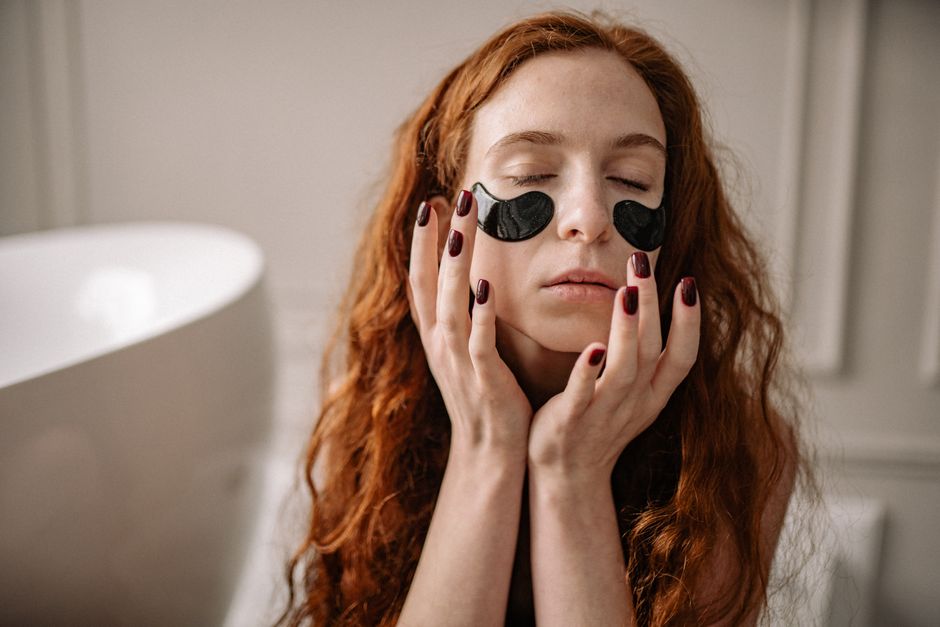
Under-eye puffiness is a little different. The skin there is the thinnest on the body, and the tissue beneath it is loosely structured. Fluid collects easily, and because you lie flat all night, it accumulates. That is why eyes look puffiest right after waking.
Some puffiness signals something more serious. Swelling in one leg only, sudden facial swelling, or puffiness with shortness of breath needs medical attention. We will cover that later.
How To Reduce Puffiness Naturally With Everyday Habits
The habits below address the most common causes of everyday puffiness. None of them require products or supplements.
Cut back on sodium
Sodium is the single biggest dietary driver of fluid retention. The body tightly regulates sodium concentration in your blood. When you eat a lot of salt, you hold onto water to keep that concentration stable. Reducing salt intake is one of the most effective steps you can take.
The tricky part is that most sodium does not come from your salt shaker. It comes from processed foods, restaurant meals, canned soups, deli meat, and frozen dinners. Reading labels helps more than cooking with less salt.
Drink enough water
It sounds backwards, but dehydration can cause your body to retain fluid. When you are low on water, your body releases hormones that signal it to hold onto what it has. Drinking consistently through the day supports normal fluid balance.
There is no single number that fits everyone. Thirst, urine color, and how you feel are reasonable guides. Pale yellow urine generally suggests you are well hydrated.
Move your body
Muscle movement pumps lymph fluid. Unlike your blood, which has a heart to circulate it, your lymphatic system relies partly on muscle contractions to move fluid. Walking, stretching, and any regular movement help. Sitting still for hours does the opposite.
If you sit at a desk or travel long distances, get up and move every hour or so. Even a short walk to the kitchen counts.
Sleep with your head slightly elevated
Fluid pools under your eyes overnight because you are lying flat. Sleeping with your head raised a few inches lets gravity help drain that fluid. A slightly thicker pillow or a wedge under the mattress can be enough.
Limit alcohol
Alcohol dehydrates you and disrupts sleep. Both effects can leave you puffy the next morning. If you drink, moderation helps. Alternating alcoholic drinks with water reduces the impact.
Do Home Remedies for Puffy Eyes Work?
Cold compresses genuinely help. Cold narrows blood vessels, which reduces blood flow and fluid leakage into the tissue around your eyes. A chilled spoon, a cold cloth, or cool cucumber slices all work through the same mechanism. The effect is temporary but real.
Here is where the evidence gets thinner. Many popular remedies have little or no research behind them:
- Tea bags — the caffeine and cold may constrict vessels slightly. Evidence is limited.
- Hemorrhoid creams — sometimes suggested for under-eye puffiness. This is not supported by clinical trials, and the skin around the eyes is delicate. Most dermatologists advise against it.
- Face rollers and gua sha — may move fluid temporarily. Any effect is short-lived and does not change the underlying cause.
- Preparation H or similar products — no evidence supports this use, and it can irritate the eye area.
Massage and rollers can help fluid drain in the moment. They do not fix the reason fluid built up. If puffiness keeps returning, the cause is elsewhere.
One clarification worth knowing: under-eye “bags” are not always fluid. Some people have a genetic tendency toward fat pads under the eyes. That kind of puffiness does not respond to cold compresses, salt reduction, or massage. It is structural, not fluid.




What About Diet and Supplements?
Food and supplements get a lot of attention for puffiness. The honest picture is mixed.
Potassium-rich foods may help balance sodium. Potassium and sodium work together to regulate fluid. Foods like bananas, potatoes, spinach, and beans are good sources. This is a reasonable dietary habit, though it is not a treatment for significant swelling.
Magnesium is often marketed for water retention. Some small studies suggest it may help with premenstrual fluid retention. The evidence is not strong enough to call it proven. No clinical guidelines recommend magnesium specifically for puffiness in the general population.
Diuretic herbs like dandelion and parsley are widely sold for water retention. Some research suggests mild diuretic effects, but the studies are small and the quality varies. These are not substitutes for medical treatment of edema.
Collagen and eye creams are heavily marketed for under-eye puffiness. No large human trials confirm these products reduce fluid-based puffiness. Some may improve skin appearance over time, which is a different claim.
If you are considering supplements, talk to a doctor first. Supplements can interact with medications, and “natural” does not mean risk-free. For pregnant women and children, no clinical guidelines support using diuretic herbs for puffiness.
When Is Puffiness a Medical Concern?
Most puffiness is harmless and temporary. Some is not.
See a doctor if you notice:
- Swelling in only one leg or arm
- Sudden swelling of the face, lips, or throat
- Puffiness with shortness of breath or chest pain
- Swelling that does not improve with rest or elevation
- Puffiness that comes with weight gain, fatigue, or changes in urination
- Skin that is tight, shiny, red, or warm to the touch
Persistent or widespread swelling can be a sign of heart, kidney, liver, or thyroid problems. It can also be a side effect of medications, including some blood pressure drugs, steroids, and certain diabetes medications. This is not something to self-treat with home remedies.
If you are pregnant, sudden swelling of the hands and face can be a sign of a serious condition called preeclampsia. This requires urgent medical care, not home remedies.
How Long Does It Take to See a Difference?
Everyday puffiness from salt, sleep, or sitting often resolves within a few hours to a day. Morning under-eye puffiness typically fades within an hour or two of waking as you move around and gravity helps drain fluid.
Hormonal puffiness linked to the menstrual cycle tends to follow a predictable pattern and eases when hormone levels shift. Lifestyle changes like reducing sodium take longer to show consistent results. Give dietary changes a week or two before judging whether they help.
If puffiness persists for days, worsens, or appears without an obvious cause, that is a reason to check with a doctor rather than wait it out.
Frequently Asked Questions
How do I get rid of puffiness fast?
A cold compress and a few minutes of gentle movement often reduce mild puffiness within an hour. If it keeps returning, the cause needs attention rather than a quick fix.
Does drinking more water reduce puffiness?
Yes, staying hydrated supports normal fluid balance and can reduce retention caused by dehydration. It will not fix puffiness from heart, kidney, or thyroid conditions.
Are under-eye bags always caused by fluid?
No. Some under-eye puffiness comes from genetic fat pads, which do not respond to cold compresses or lifestyle changes. A doctor can help tell the difference.
When should I worry about swelling?
Swelling in one limb, sudden facial swelling, or puffiness with breathing trouble needs prompt medical care. Persistent swelling should also be evaluated by a doctor.
