
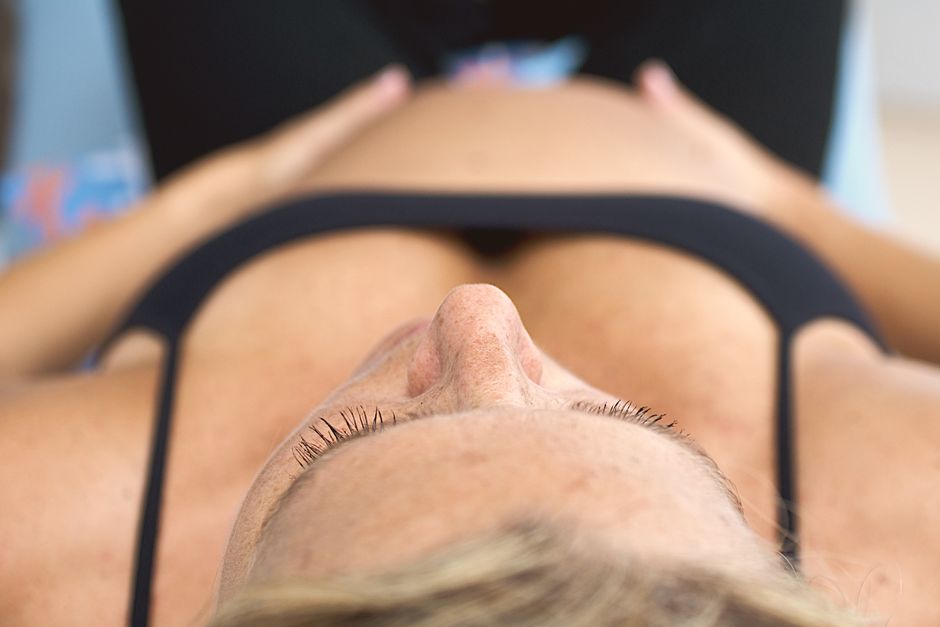
Swelling during pregnancy is common, and in most cases it is a normal response to extra blood volume and fluid shifts. You can often reduce everyday swelling by resting with your feet up, staying active, drinking enough water, and avoiding long stretches of standing or sitting. Call your doctor right away if swelling comes on suddenly, affects only one leg, or is accompanied by headache, vision changes, or upper belly pain.
Why does pregnancy cause swelling?
Pregnancy increases the amount of blood and fluid in your body by a large margin. Your heart pumps more, your blood vessels relax, and fluid moves into surrounding tissues more easily. That extra fluid often pools in the feet, ankles, and hands, especially later in pregnancy.
Two mechanical factors make it worse. As the uterus grows, it presses on the large veins that return blood from the legs to the heart, slowing that return flow. And the hormone changes of pregnancy make vessel walls more relaxed and permeable, so fluid leaks into tissue more readily.
This type of swelling is called physiological edema. It is expected, it is usually mild, and it tends to get more noticeable as pregnancy progresses. It often worsens in the evening and after long periods of standing.
Swelling is not a sign that you are doing something wrong. It is a predictable result of how the body adapts to pregnancy.
How To Reduce Pregnancy Swelling And When To Worry
For typical pregnancy swelling, simple daily habits make a real difference. None of these are treatments for a medical problem — they are ways to help your circulation and reduce fluid pooling.
Move regularly. Walking and gentle activity help the calf muscles push blood back toward the heart. Long periods of standing still or sitting without moving allow fluid to collect in the ankles.
Elevate your feet. When resting, prop your legs up so your feet are above the level of your heart if you can. This uses gravity to help fluid drain back into circulation.
Try compression stockings. Graduated compression stockings are widely used in pregnancy and are considered safe. They squeeze the leg gently, with more pressure at the ankle and less higher up, which helps move fluid upward. Some clinicians recommend them, and evidence supports their use for leg swelling in general, though research specific to pregnancy is more limited.
Stay hydrated. Drinking enough water may seem counterintuitive when you are retaining fluid, but dehydration can make the body hold onto fluid. Aim to drink regularly through the day.
Avoid prolonged standing and sitting. If your day involves a lot of either, take breaks to walk around or flex your ankles. Ankle pumps — pointing and flexing your feet — help move blood out of the lower legs.
Sleep on your side. Lying on your left side in particular can take pressure off the large vein that runs along the right side of your body and improve blood return from the legs.
These measures reduce discomfort. They do not treat a medical cause of swelling, which is why knowing the warning signs matters.
When is pregnancy swelling a sign of something serious?
Most swelling is harmless. But some swelling is a warning sign of a serious condition, and the difference matters. There are two main concerns to know about.
Preeclampsia
Preeclampsia is a pregnancy complication marked by high blood pressure and signs of organ damage, usually after 20 weeks. Swelling alone is not a reliable sign of preeclampsia, because so many healthy pregnancies involve swelling. What matters is swelling combined with other symptoms.
Seek medical care right away if swelling comes with any of these:
- A severe headache that does not go away
- Changes in vision, such as blurring or seeing spots
- Pain in the upper belly, usually under the ribs on the right side
- Sudden swelling of the hands and face, especially on waking
- Shortness of breath or chest discomfort
- Nausea or vomiting that starts suddenly
Preeclampsia is a condition that needs medical assessment, not home remedies. If you have these symptoms, contact your doctor or go to the emergency department.
Blood clots
Pregnancy raises the risk of blood clots in the legs, a condition called deep vein thrombosis. Swelling from a clot usually affects one leg rather than both, and it may come with pain, warmth, redness, or tenderness in the calf or thigh.
Swelling in a single leg is not normal pregnancy swelling. It needs prompt medical evaluation. Do not wait to see if it improves on its own.





What is normal swelling and what is not?
Normal pregnancy swelling tends to be symmetrical — both ankles and feet swell similarly. It is usually soft to the touch, improves with rest and elevation, and is worse at the end of the day.
Swelling that is sudden, one-sided, or persistent despite rest is different. So is swelling that appears in the hands and face first thing in the morning, or swelling that comes with the symptoms listed above.
A simple way to think about it: gradual, even, and relieved by rest is usually expected. Sudden, uneven, or accompanied by other symptoms deserves a call.
Should you worry about swelling in early pregnancy?
Swelling is most common in the third trimester, when blood volume is highest and the uterus is largest. Some women notice mild swelling earlier, but marked swelling in the first trimester is less typical and worth mentioning to your doctor.
Any swelling that appears suddenly, is severe, or is accompanied by other symptoms should be checked regardless of how far along you are. Timing alone does not rule out a problem.
Do home remedies for swelling actually work?
Some commonly recommended remedies have reasonable support, and others do not. It helps to know which is which.
Compression stockings have the most consistent support. They are widely used and generally considered safe in pregnancy, though research specific to pregnancy is limited compared with other uses.
Elevation, movement, and side-lying rest are based on well-understood circulation mechanics. They are low-risk and sensible.
Water immersion and swimming can reduce swelling through the pressure of water on the body, which pushes fluid back into circulation. Many women find it helpful, and it is generally safe with your doctor’s approval.
Diuretics — medications that increase urine output — are not appropriate for routine pregnancy swelling and should only be used if prescribed by a doctor for a specific medical reason.
Be cautious with any product marketed as a cure for pregnancy swelling. No supplement or cream has strong evidence that it reduces normal pregnancy edema.
When should you call your doctor about swelling?
Call your doctor or midwife if swelling is sudden, severe, or one-sided. Also call if it comes with headache, vision changes, upper belly pain, shortness of breath, or swelling of the hands and face on waking.
These symptoms can point to preeclampsia or another complication, and they are reasons to be seen promptly rather than to wait. Trust your instincts — if something feels off, it is reasonable to check.
Routine swelling that is mild, even, and improves with rest usually does not need urgent attention. Mention it at your next prenatal visit so it can be tracked.
Frequently Asked Questions
How can I reduce swelling in my feet during pregnancy?
Elevate your feet above heart level when resting, walk regularly, and consider compression stockings. Avoiding long periods of standing or sitting also helps reduce fluid pooling.
When should I worry about swollen ankles in pregnancy?
Worry if swelling is sudden, affects only one leg, or comes with headache, vision changes, or upper belly pain. Those symptoms need prompt medical evaluation.
Is swelling in one leg during pregnancy dangerous?
Swelling in a single leg can be a sign of a blood clot and should be checked promptly. Do not wait to see if it improves on its own.
Does drinking more water reduce pregnancy swelling?
Staying hydrated may help, because dehydration can cause the body to retain fluid. Drink regularly through the day rather than restricting fluids.
