
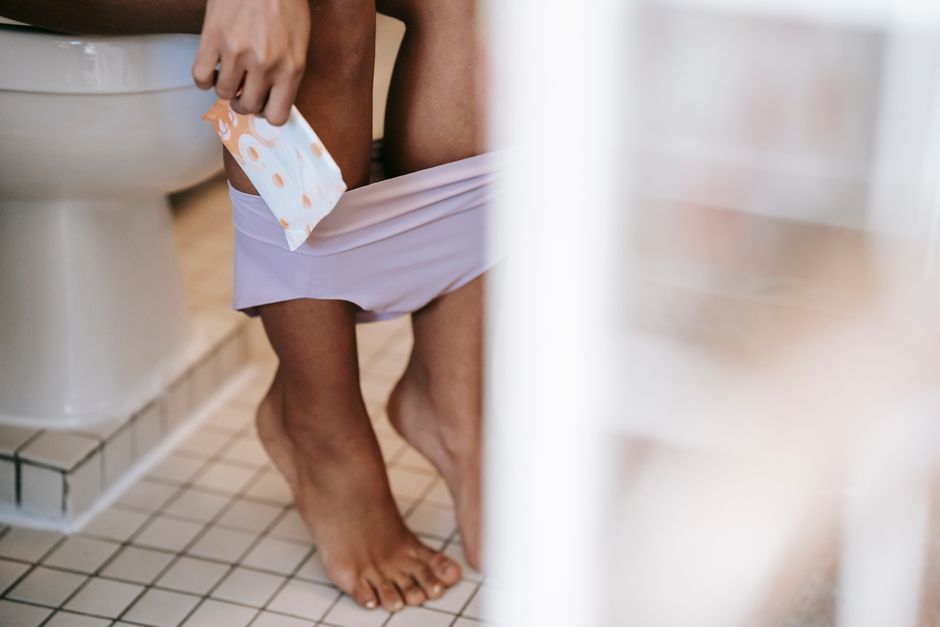
Menstrual bloating is that heavy, tight, swollen feeling in your belly before and during your period. It happens because hormone levels shift, causing your body to hold onto extra water and your digestive system to slow down. You can reduce menstrual bloating by limiting salt, staying hydrated, and keeping up gentle movement — and the tips below explain how each one works.
What Causes Menstrual Bloating?
Bloating during your period is not in your head. It is a physical response to changing hormone levels. In the week before your period, estrogen and progesterone levels drop sharply. That drop signals your kidneys to retain more sodium and water.
Progesterone also slows down your digestive tract. Food moves more slowly through your intestines, which can cause gas and constipation on top of the water retention. Together, these two effects create that swollen, uncomfortable feeling.
Some research suggests that changes in serotonin levels during the menstrual cycle also affect how your gut moves. This is why some women feel more gassy or constipated at certain points in their cycle. The effect is temporary and usually resolves within a few days after your period starts.
How Much Water Should You Drink to Reduce Menstrual Bloating?
Drinking more water sounds like the opposite of what you should do when you feel swollen. It is actually one of the most effective ways to reduce menstrual bloating.
When your body senses that it is low on water, it holds onto every drop it has. Drinking enough water signals to your kidneys that fluid is plentiful, so they release the extra sodium and water instead of storing it. This is a well-established physiological response.
Aim for roughly 8 to 10 cups of fluid per day. Water is best, but herbal teas and water-rich foods like cucumbers and watermelon also count. If plain water feels boring, add lemon or cucumber slices for flavor.
One common mistake is cutting back on water when bloating starts. That makes the problem worse. Your body holds onto fluid more tightly when it is dehydrated, so keep drinking steadily through your period.
Does Cutting Salt Really Help With Period Bloating?
Yes, and it works faster than most other changes. Sodium pulls water into your tissues. When you eat a high-salt meal, your body retains more fluid for the next day or two.
In the week before your period, your body is already more sensitive to sodium than usual. The same amount of salt that feels fine the rest of the month can cause noticeable puffiness right before your period.
This does not mean you need to eat a zero-salt diet. It means being mindful of the biggest sources of hidden sodium. Processed foods, canned soups, deli meats, frozen dinners, and restaurant meals are where most people get far more salt than they realize.
Cooking at home with fresh ingredients and seasoning with herbs, spices, garlic, or lemon instead of salt can make a noticeable difference within a few days. Check nutrition labels when you buy packaged foods. Even foods that do not taste salty, like bread and some cereals, can contain significant sodium.



Which Foods Help Reduce Menstrual Bloating?
Certain foods can genuinely help because of their nutrient content. Potassium is particularly useful. It balances sodium in your body and helps your kidneys flush out excess fluid.
Foods high in potassium include bananas, sweet potatoes, spinach, avocados, and oranges. Adding these to your meals in the days before your period can help counteract the effects of sodium.
Foods with natural diuretic properties may also help. Asparagus, parsley, celery, and cucumber encourage your body to release water. These are mild effects, but they add up when combined with other strategies.
Magnesium is another mineral worth attention. Some studies suggest that magnesium can reduce water retention and other premenstrual symptoms. Good food sources include nuts, seeds, dark leafy greens, and dark chocolate.
Fiber-rich foods help keep your digestive system moving. Since progesterone slows digestion, adding fiber can counteract constipation-related bloating. Oats, beans, lentils, fruits, and vegetables are good options. Increase fiber gradually to avoid making gas worse.
What Foods Should You Avoid Before Your Period?
Some foods are more likely to worsen bloating. You do not need to eliminate them completely, but reducing them in the week before your period can help.
Salty snacks like chips, pretzels, and salted nuts are obvious culprits. They combine high sodium with refined carbohydrates, which can cause rapid fluid retention.
Carbonated drinks, including sparkling water and soda, introduce gas into your digestive tract. If you are already prone to bloating, the bubbles can make the feeling worse. Try switching to still water or herbal tea during this time.
Sugar alcohols, found in sugar-free gum and some diet foods, can cause gas and bloating in many people. Check ingredient lists for sorbitol, mannitol, or xylitol if you notice bloating after chewing gum.
Cruciferous vegetables like broccoli, cabbage, and Brussels sprouts are healthy but can produce gas as they digest. If you notice they bother you before your period, steam them thoroughly or choose lower-gas alternatives like zucchini or green beans.
Caffeine and alcohol can both contribute to dehydration, which makes your body hold onto water. Coffee and caffeinated tea also stimulate your digestive tract, which can be helpful or irritating depending on your body. Pay attention to how these affect you personally.
Does Exercise Actually Reduce Menstrual Bloating?
Yes, gentle exercise can reduce bloating through several mechanisms. Physical activity stimulates your digestive system, helping move gas and stool through your intestines more quickly. This directly addresses the slowdown caused by progesterone.
Exercise also promotes sweating, which releases some excess fluid. More importantly, regular movement improves circulation, which helps your body redistribute and eliminate retained fluid.
You do not need intense workouts to get the benefit. A 20 to 30 minute walk, gentle yoga, swimming, or cycling can all help. If you feel tired or crampy, that is normal — scale back the intensity but try to keep moving.
Light stretching and yoga poses that target the abdomen may provide additional relief. Positions that gently compress or stretch the belly area can stimulate digestion and relieve gas pressure.
When Should You See a Doctor About Period Bloating?
Some bloating before and during your period is normal. It is a well-documented symptom of the menstrual cycle. But there are situations where bloating deserves medical attention.
See a doctor if your bloating is severe enough to interfere with daily activities, if it lasts for more than a few days after your period ends, or if it happens at times unrelated to your cycle. Bloating that is constant or getting worse over time is not typical period bloating.
Bloating accompanied by significant pain, changes in bowel habits, unexplained weight gain, or blood in your stool should also be evaluated. These symptoms can indicate conditions unrelated to your menstrual cycle.
Conditions like irritable bowel syndrome, endometriosis, polycystic ovary syndrome, and ovarian cysts can all cause bloating that overlaps with your period. A doctor can help determine whether your bloating is purely hormonal or if another condition is contributing.
If over-the-counter remedies and lifestyle changes do not help after several cycles, that is also a reason to seek medical advice. Persistent bloating that does not respond to dietary changes may point to an underlying issue worth investigating.
Do Over-the-Counter Products Help With Menstrual Bloating?
Several over-the-counter options exist, but their effectiveness varies. Diuretic pills are available without a prescription, but they are not recommended for routine period bloating. Taking them can deplete your body of essential electrolytes and cause dehydration.
Nonsteroidal anti-inflammatory drugs like ibuprofen can help with cramps and may reduce the prostaglandin production that contributes to bloating. They work best when taken at the first sign of symptoms rather than waiting until discomfort is severe.
Some women find relief with supplements containing calcium or magnesium. Evidence for magnesium in reducing water retention is modest but real. Calcium has been studied for premenstrual syndrome symptoms more broadly, with some positive results.
Be cautious with products marketed specifically for period bloating. Many contain a combination of a diuretic, a pain reliever, and caffeine. The caffeine can counteract the diuretic effect and may worsen symptoms in sensitive women.
Frequently Asked Questions
How long does menstrual bloating usually last?
Menstrual bloating typically starts a few days to a week before your period and resolves within a few days after bleeding begins. The duration varies from person to person and cycle to cycle.
Can birth control pills help with period bloating?
Some women find that hormonal birth control reduces bloating because it stabilizes hormone levels throughout the cycle. The effect varies by person, and some women experience more bloating on certain formulations.
Is it normal to gain weight from period bloating?
Yes, water retention can cause a temporary weight increase of 2 to 5 pounds before your period. This weight is fluid, not fat, and it typically returns to normal after your period ends.
Does drinking less water reduce period bloating?
No, drinking less water makes bloating worse. Your body holds onto fluid more tightly when dehydrated, so staying well-hydrated helps your kidneys release excess sodium and water.
