
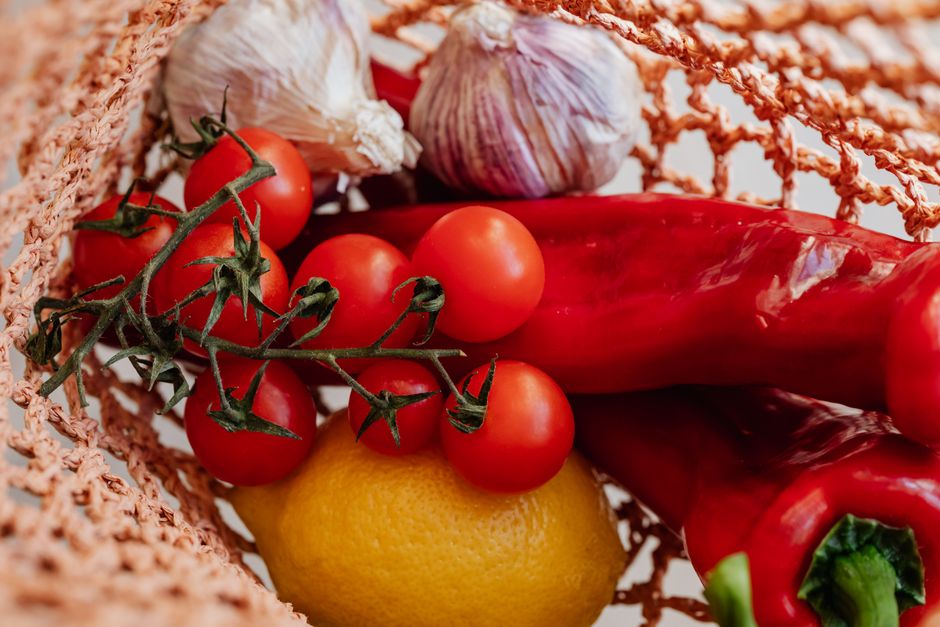
High LDL cholesterol is a major risk factor for heart disease. Lowering it naturally is possible through diet, exercise, and lifestyle changes that have solid research behind them. The most effective approaches include eating more soluble fiber, replacing saturated fats with unsaturated fats, adding plant sterols, and maintaining a healthy weight and regular physical activity.
What Causes High LDL Cholesterol?
LDL cholesterol is a type of fat carried in the blood. It is often called “bad” cholesterol because high levels can lead to plaque buildup in artery walls. This process, called atherosclerosis, narrows arteries and raises the risk of heart attack and stroke.
Several factors drive high LDL. Diet is a major one – eating too much saturated fat and trans fat raises LDL. Saturated fat is found in red meat, butter, full-fat dairy, and processed foods. Trans fat is found in some fried foods and baked goods made with partially hydrogenated oils.
Genetics also plays a role. Some people inherit genes that make their liver remove LDL from the blood less efficiently. This condition, called familial hypercholesterolemia, can cause very high LDL even with a healthy diet. Other contributing factors include being overweight, not exercising enough, and smoking.
How Does Diet Lower LDL Cholesterol Naturally?
Diet changes have the strongest evidence for naturally lowering LDL. The mechanism is straightforward: certain foods help the body excrete more cholesterol or reduce its production in the liver.
Soluble fiber is key. It binds to cholesterol in the digestive tract and carries it out of the body rather than letting it be absorbed. Foods high in soluble fiber include oats, barley, beans, lentils, apples, citrus fruits, and psyllium husk.
Replacing saturated fats with unsaturated fats also lowers LDL. Unsaturated fats come from plant sources like olive oil, avocado, nuts, and seeds. Swapping butter for olive oil, or choosing fish over red meat, can make a real difference.
Another dietary strategy is adding plant sterols and stanols. These naturally occurring compounds are similar in structure to cholesterol. They compete with cholesterol for absorption in the intestines, reducing the amount that enters the bloodstream.
Which Foods Lower LDL Cholesterol the Most?
Some foods have been studied specifically for their LDL-lowering effects. Oats are one of the best. A bowl of oatmeal or oat-based cereal provides about 3 grams of beta-glucan, a type of soluble fiber that consistently lowers LDL.
Beans and legumes are also excellent. Half a cup of cooked beans provides around 3 to 5 grams of fiber, mostly soluble. Research shows that eating a serving of beans daily can lower LDL by about 5% over several weeks.
Nuts, especially almonds and walnuts, are rich in unsaturated fats and fiber. A small handful a day – about 1.5 ounces – can lower LDL by 5–10% in some studies. The effect is modest but meaningful when part of an overall diet.
Fatty fish such as salmon, mackerel, and sardines provide omega-3 fatty acids. While omega-3s do not lower LDL directly, they have other heart benefits. However, replacing red meat with fish reduces saturated fat intake, which helps lower LDL.
Avocado is another good choice. It is high in monounsaturated fat and fiber. Some research shows that eating one avocado daily as part of a moderate-fat diet can lower LDL compared to a low-fat diet without avocado.


How Much Soluble Fiber Do You Need Daily?
The American Heart Association recommends getting at least 25 grams of total fiber per day, with 10 to 25 grams coming from soluble fiber. For LDL lowering, aiming for 10 to 15 grams of soluble fiber daily is a practical target.
Reaching that amount is not hard with the right foods. A cup of cooked oatmeal has about 4 grams of soluble fiber. A medium apple has 4 grams. Half a cup of cooked beans has about 3 grams. Adding a tablespoon of psyllium husk powder to water or food provides about 5 grams.
It is best to increase fiber slowly over a week or two and drink plenty of water. Too much fiber too fast can cause gas and bloating. If you have a medical condition affecting digestion, check with your doctor before significantly increasing fiber.
Do Plant Sterols and Stanols Help?
Yes, plant sterols and stanols lower LDL cholesterol. They are added to some margarines, orange juice, and yogurt drinks. Eating 2 grams per day can lower LDL by about 8–10%.
The effect is dose-dependent up to about 2 grams. More than that gives little additional benefit. Plant sterols work by blocking cholesterol absorption in the intestines. They are not a substitute for a healthy diet but can be a useful addition.
Note that plant sterols do not lower LDL in everyone. People who already absorb cholesterol poorly may see less benefit. Also, people with sitosterolemia, a rare genetic condition, should avoid high amounts because plant sterols can accumulate in their blood.
What Role Does Exercise Play?
Exercise alone does not lower LDL cholesterol as much as diet does, but it is still important for heart health. Aerobic exercise – brisk walking, jogging, cycling – can modestly reduce LDL, but the bigger effect is on raising HDL and lowering triglycerides.
Regular physical activity helps with weight management. Carrying excess weight, especially around the belly, tends to increase LDL and lower HDL. Losing just 5 to 10 percent of body weight can improve cholesterol numbers.
For heart health, the general recommendation is at least 150 minutes of moderate-intensity aerobic exercise per week. This could be 30 minutes of brisk walking five days a week. Strength training twice a week adds additional benefit.
How Long Does Natural Lowering Take?
Dietary changes can lower LDL cholesterol within a few weeks. Studies show that replacing saturated fat with unsaturated fat can reduce LDL by about 10% in as little as two to four weeks. Adding soluble fiber shows changes in similar time frames.
However, the full effect of a diet change may take two to three months to stabilize. That is why doctors usually check cholesterol levels about three months after starting a new diet or lifestyle program.
Consistency matters. If you go back to old eating habits, LDL will rise again. Natural lowering is sustainable only as long as the changes are maintained.
What About Natural Supplements?
Some supplements claim to lower LDL, but the evidence is mixed. Red yeast rice contains a naturally occurring statin, monacolin K, which can lower LDL. However, the amount of active ingredient in supplements varies widely, and some products have been found to contain a contaminant that is harmful. Because of safety concerns, the FDA has warned against some red yeast rice products.
Garlic supplements have been studied, and many trials show no significant effect on LDL. Psyllium husk, which is a fiber supplement, does lower LDL because it provides soluble fiber. That is a separate category from isolated supplements.
Omega-3 supplements (fish oil) do not lower LDL. They can lower triglycerides, but they may slightly raise LDL in some people. Niacin, a B vitamin, can lower LDL but can also cause side effects like flushing and liver damage. It is not recommended for routine LDL lowering because safer options exist.
No supplement replaces diet. If you are considering a supplement, talk to your doctor first. Some can interfere with medications.
When Should You Consider Medication?
Natural methods work well for many people, but not everyone. If your LDL remains high after several months of consistent diet and lifestyle changes, medication may be necessary. Your doctor will consider your overall heart risk, not just your LDL number.
For people with very high LDL due to genetics, medication is often needed from the start. Statins are the most widely prescribed and have strong evidence for reducing heart attacks and strokes. They work by blocking cholesterol production in the liver.
Other options include ezetimibe, which reduces cholesterol absorption, and PCSK9 inhibitors, which are injectable drugs for people with familial hypercholesterolemia or statin intolerance. Lifestyle changes still matter even when taking medication – they add to the benefit.
Common Myths About Lowering LDL Naturally
A common myth is that all cholesterol in food raises your blood cholesterol. Dietary cholesterol, found in eggs and shellfish, has a much smaller effect than saturated fat. The old advice to limit egg yolks has been largely dropped by nutrition authorities.
Another myth is that coconut oil is heart-healthy. Coconut oil is high in saturated fat – about 80–90%. Studies show it raises LDL similarly to butter. It is not a good choice for lowering cholesterol.
Some people believe that “natural” always means safe. Arsenic and hemlock are natural. Natural is not a guarantee of effectiveness or safety. Stick with approaches that have solid clinical evidence.
Frequently Asked Questions
Can I lower LDL cholesterol without medication?
Yes, many people can lower LDL through diet, exercise, and weight loss. The effect is often 10–20% depending on starting levels and consistency. If your LDL is very high or caused by genetics, medication may still be needed.
What is the best breakfast for lowering LDL?
Oatmeal topped with berries and a handful of almonds is a strong choice. It provides soluble fiber from oats, antioxidants from berries, and unsaturated fats from nuts.
Does red yeast rice lower LDL safely?
Some red yeast rice products contain a natural statin and can lower LDL, but quality and potency vary widely. The FDA has warned about risks of contamination and inconsistent dosing. Talk to your doctor before trying it.
How fast can diet alone lower LDL?
Significant changes can be seen in as little as two to four weeks, with full effects usually reached by three months. Consistency is the most important factor.
