
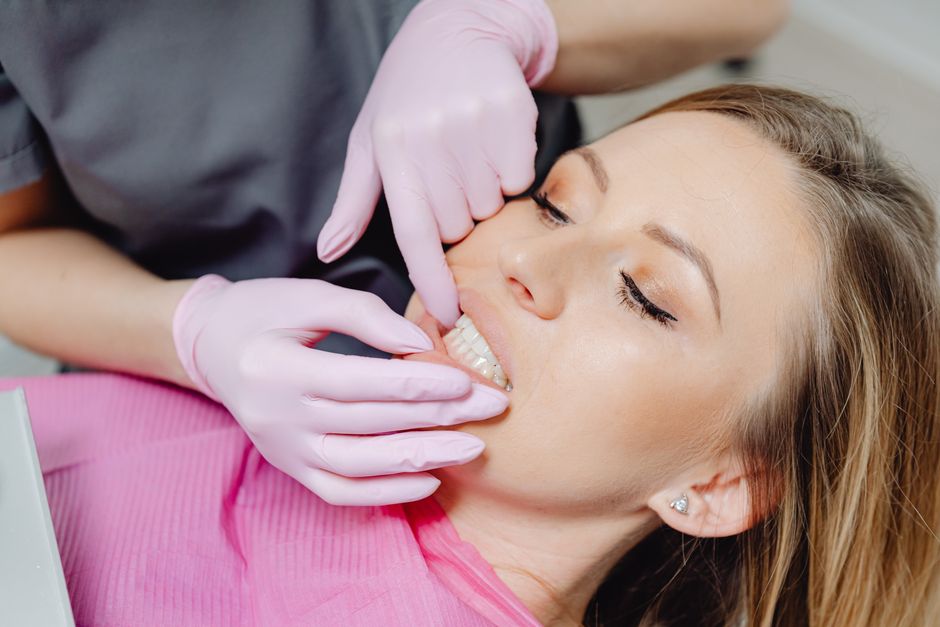
Inflamed gums are a sign that your body is fighting bacteria in the plaque that builds up along the gumline. The most effective way to reduce the swelling and redness is to remove that plaque carefully and consistently. You can do this by brushing twice a day, flossing daily, and seeing a dentist for a professional cleaning to remove hardened plaque, called tartar, that you cannot remove at home.
What Causes Inflamed Gums?
Gum inflammation, known clinically as gingivitis, is most often caused by plaque. Plaque is a sticky film of bacteria that forms on your teeth constantly. When plaque is not removed, the bacteria release toxins that irritate the gum tissue. This irritation triggers your body’s immune response, which sends extra blood to the area. That extra blood flow is what makes your gums look red and feel swollen.
Several factors can make this worse. Poor oral hygiene is the primary cause. But other issues can contribute, including hormonal changes during pregnancy or menopause, certain medications that reduce saliva flow, and smoking. Smoking is a significant risk factor because it weakens your immune system and makes it harder for your gums to heal.
Genetics also play a role. Some people are simply more prone to gum disease even with good brushing habits. If your parents had gum problems, you may need to be more diligent with your dental care.
How To Reduce Inflamed Gums Causes And Treatment
The treatment for inflamed gums depends on how far the inflammation has progressed. For early gingivitis, the goal is to remove the plaque and tartar that are causing the problem. A professional dental cleaning, called scaling and root planing, is the standard treatment. During this procedure, a dentist or dental hygienist scrapes away plaque and tartar from above and below the gumline. This is the only way to remove tartar once it has formed.
After a professional cleaning, your gums can begin to heal. The redness and swelling usually improve within a few days to a couple of weeks. However, the long-term success depends on your daily routine at home. If plaque is allowed to build up again, the inflammation will return.
In more advanced cases, where the inflammation has spread to the bone supporting the teeth, this is called periodontitis. This condition requires more intensive treatment. That may involve deeper cleanings, prescription mouth rinses, or in some cases, surgical procedures. Periodontitis is a serious condition that can lead to tooth loss if left untreated.
What Is The Difference Between Gingivitis And Periodontitis?
Gingivitis is the early stage of gum disease. It affects only the gums. At this stage, the inflammation is reversible. The bone and connective tissue that hold your teeth in place are still intact. With good cleaning and professional care, your gums can return to full health.
Periodontitis is the advanced stage. At this point, the inflammation has spread deeper and has begun to destroy the bone and tissue that support your teeth. This damage is not reversible. The goal of treatment for periodontitis is to stop the progression of the disease and prevent further bone loss.
Not everyone with gingivitis develops periodontitis. But gingivitis is the necessary first step. This is why catching and treating inflamed gums early is so important.




What Are The Best Home Remedies For Swollen Gums?
Home care is essential for managing inflamed gums, but it cannot replace a professional cleaning. The most important thing you can do is improve your daily oral hygiene. Brushing twice a day with a soft-bristled toothbrush and fluoride toothpaste is the foundation. You should also floss once a day to remove plaque from between your teeth where your toothbrush cannot reach.
Salt water rinses are a simple and safe home treatment. Mixing about half a teaspoon of salt in a glass of warm water and swishing it around your mouth can help soothe irritated gums. The salt water helps remove debris and may reduce some of the swelling. It is a temporary measure, not a cure.
Some people find relief from applying a cold compress to the outside of their cheek. This can help numb the area and reduce swelling, similar to treating any other soft tissue injury. Over-the-counter pain relievers like ibuprofen can also help with discomfort, but they do not treat the underlying infection.
Be cautious with commercial mouthwashes. Many contain alcohol, which can dry out your mouth and make irritation worse. If you choose a mouthwash, look for one that is alcohol-free. Some evidence suggests that mouthwashes containing chlorhexidine are effective at reducing plaque, but these are usually prescribed by a dentist for short-term use.
How Long Does It Take For Gums To Heal?
The healing time for inflamed gums depends on the severity of the inflammation and how well you maintain your oral hygiene. For mild gingivitis, you may notice improvement in your gums within a few days of starting a consistent brushing and flossing routine. However, it can take several weeks for the gum tissue to fully return to a healthy pink color and firm texture.
After a professional cleaning, your gums may feel sore for a day or two. Bleeding during brushing should gradually decrease over the following week. If your gums are still bleeding or swollen after two weeks of good home care and a dental visit, you should follow up with your dentist. This could be a sign that the inflammation is deeper than initially thought.
It is important to understand that healing is a continuous process. Gum health is not a one-time fix. It requires ongoing maintenance. Your gums will only stay healthy as long as you keep the plaque off your teeth.
When Should You See A Dentist For Inflamed Gums?
You should see a dentist if your gums have been swollen, red, or bleeding for more than a week. Bleeding when you brush or floss is not normal and is a clear sign of inflammation. You should also seek professional care if you notice any of the following:
- Gums that are pulling away from your teeth
- Persistent bad breath that does not go away with brushing
- Pus between your teeth and gums
- Loose teeth or a change in how your teeth fit together when you bite
These symptoms can indicate periodontitis, which requires professional treatment. Do not wait for the pain to become severe. Gum disease is often painless in its early stages, which is why regular dental checkups are so important. Many people do not realize they have gum disease until a dentist points it out.
If you have not had a dental checkup in the last six months, schedule one. For most people, a professional cleaning every six months is enough to prevent gum disease. However, your dentist may recommend more frequent cleanings if you have a history of periodontitis or other risk factors.
Can Diet Affect Gum Health?
Your diet can influence your gum health, but it does not replace brushing and flossing. A diet high in sugar feeds the bacteria in your mouth, leading to more plaque formation. Reducing sugary snacks and drinks can help reduce the amount of plaque that forms on your teeth.
Some research suggests that vitamin C plays a role in gum health. Vitamin C is important for the repair and maintenance of connective tissue, including your gums. A severe deficiency in vitamin C can lead to bleeding gums, a condition known as scurvy. However, this is rare in developed countries. Eating a balanced diet with fruits and vegetables is generally sufficient for most people.
Drinking plenty of water also helps. Water stimulates saliva production, which is your body’s natural defense against plaque. Saliva helps wash away food particles and neutralizes acids produced by bacteria. Staying hydrated is a simple way to support your oral health.
Does Smoking Cause Inflamed Gums?
Yes, smoking is a major cause of gum disease. Tobacco smoke contains chemicals that irritate the gums and impair blood flow. This makes it harder for your gums to fight off infection and heal. Smokers are significantly more likely to develop periodontitis than non-smokers.
Smoking also masks the signs of gum disease. Nicotine narrows the blood vessels in the gums, which reduces bleeding. This means a smoker may not see the bleeding that is an early warning sign of inflammation. The disease can progress further before it is noticed.
Quitting smoking is one of the most effective things you can do for your gum health. The gums begin to recover quickly after a person stops smoking. Within a few weeks, blood flow improves, and the body’s ability to fight infection increases.
Frequently Asked Questions
Can inflamed gums heal on their own?
No, inflamed gums will not heal on their own if plaque and tartar are still present. You must remove the cause of the inflammation, which requires consistent brushing, flossing, and often a professional dental cleaning.
Is it safe to use hydrogen peroxide on swollen gums?
Diluted hydrogen peroxide mouth rinses are sometimes used by dentists, but you should not use it at home without guidance. Using it at the wrong concentration can irritate your gums and cause further damage.
Does flossing make swollen gums worse?
Flossing may cause bleeding at first if you have gingivitis, but it is necessary to remove the plaque causing the problem. The bleeding should decrease within a week of daily flossing as your gums heal.
How often should I see a dentist for gum inflammation?
Most people need a professional cleaning every six months. If you have a history of periodontitis or persistent inflammation, your dentist may recommend visits every three to four months.
