
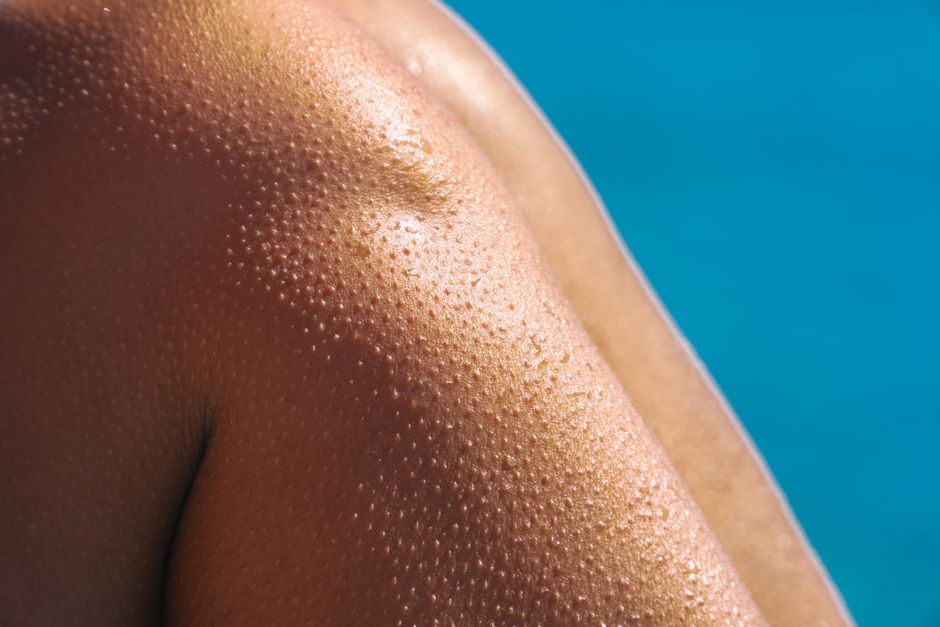
Feeling overheated is your body telling you it needs help cooling down. The fastest ways to reduce heat are to remove the source of the heat, cool your skin with water or airflow, drink cool fluids, and rest in a shaded or air-conditioned space. Your body also cools itself by sweating and by sending more blood to the skin, so supporting those two systems is the core of natural cooling.
There is a difference between feeling hot and having a heat illness. Feeling hot after exercise or on a warm day is normal. Confusion, fainting, a racing pulse, or skin that stops sweating in high heat are warning signs of heat stroke, which is a medical emergency. This article covers everyday overheating. It does not cover emergency care.
How To Reduce Heat In Your Body Fast And Naturally?
Cooling happens through four physical routes: evaporation of sweat, radiation of heat from skin to cooler air, convection when air moves across skin, and conduction when skin touches something cooler. Every practical cooling method works by boosting one or more of these.
Evaporation is the most powerful route in dry heat. When sweat evaporates, it pulls heat away from your skin. In humid air, sweat evaporates slowly, which is why muggy weather feels so much worse than dry heat at the same temperature. Moving air with a fan speeds evaporation and convection at the same time.
Conduction is the fastest route when you need quick relief. Skin contact with cool water or a cool surface transfers heat directly. This is why a cool shower, a wet cloth, or cool water on the wrists and neck works quickly.
Your body also adjusts blood flow. In heat, blood vessels near the skin widen so more blood reaches the surface and releases heat. This is why some people look flushed when hot. It also means your heart works harder, which matters if you have a heart condition.
Why Does Your Body Overheat?
Overheating usually comes from one of three sources: the environment, physical exertion, or a problem with your body’s cooling system itself.
Environmental heat is the most common cause. When air temperature rises above skin temperature, your body can no longer lose heat by radiation and must rely almost entirely on sweating. High humidity makes this harder.
Exertion adds heat from the inside. Working muscles produce heat as a byproduct, and during intense exercise the body can generate far more heat than it needs. That is why athletes overheat even in cool weather.
Some people cool less efficiently. Older adults often have reduced sweat output and slower circulation adjustments. Young children have more surface area relative to their body weight and depend more on adults to keep them cool and hydrated. Certain medications, including some for blood pressure and mental health conditions, can affect sweating or blood flow. If you take regular medication and overheat easily, ask a pharmacist or doctor whether it plays a role.
What Are the Fastest Ways to Cool Down?
Cool water and moving air beat everything else. A cool shower or bath is one of the most effective single steps because it combines conduction with evaporation once you step out. You do not need ice-cold water; cool tap water works well.
If a shower is not possible, apply cool, wet cloths to areas where blood vessels sit close to the skin:
- The neck and back of the head
- The wrists and forearms
- The armpits
- Behind the knees
- The groin area
These spots release heat efficiently because large vessels run near the surface. A fan aimed at damp skin speeds evaporation. In very high heat, some research suggests fans may not help once air temperature climbs well above skin temperature, so pair a fan with water rather than relying on airflow alone.
Drink cool water. It helps replace sweat losses and provides a small amount of direct cooling. Avoid alcohol, which can worsen dehydration, and be cautious with very sugary or heavily caffeinated drinks.
Get out of direct sun and into shade or air conditioning. Rest reduces internal heat production from muscles. Loosen or remove tight clothing so sweat can evaporate.
Does Drinking Cold Water Really Cool You Down?
Yes, but modestly. Cold water cools you slightly as it passes down your throat and is absorbed, and replacing lost fluid supports sweating, which is the bigger effect.
The main job of drinking water in heat is to keep you hydrated enough to sweat. Once you are dehydrated, sweat output drops and your body loses its most powerful cooling tool. Drinking regularly, before you feel very thirsty, helps maintain that capacity.
There is no single universal fluid target that fits everyone, because needs depend on body size, activity, and climate. A practical guide is pale yellow urine and steady fluid intake through the day. During long or intense sweating, drinks containing electrolytes can help replace salt losses, though plain water is fine for most everyday situations.
What Should You Avoid When You’re Overheated?
Some common habits make overheating worse. Skip them until you have cooled down.
- Alcohol increases fluid loss and can impair your judgment about how hot you really are.
- Heavy meals and hot drinks add a little internal heat and can make you feel worse.
- Vigorous exercise keeps generating heat from muscle work.
- Tight, dark clothing traps heat and blocks evaporation.
- Leaving children or pets in parked cars is dangerous even on mild days, because car interiors heat up far faster than outside air.
One point people often get wrong: pouring ice water over someone who is only mildly overheated is not necessary and can be uncomfortable, but it is not dangerous for a healthy adult. The bigger mistake is waiting too long to act when warning signs appear.
When Is Overheating a Medical Emergency?
Heat stroke is a life-threatening emergency and needs immediate medical help. Call emergency services if someone shows these signs after heat exposure or exertion:
- Confusion, slurred speech, or unusual behavior
- Fainting or unresponsiveness
- Hot skin, sometimes with no sweating
- A very fast or strong pulse
- Nausea, vomiting, or a throbbing headache
While waiting for help, move the person to a cooler place, remove excess clothing, and cool them with water and airflow. Do not give fluids to someone who is confused or unconscious.
Heat exhaustion is milder: heavy sweating, weakness, dizziness, nausea, and cool, clammy skin. It can usually be managed by resting in a cool place and drinking fluids, but if symptoms worsen or do not improve, seek medical care.
How Can You Prevent Overheating in Hot Weather?
Prevention comes down to timing, hydration, and clothing. Plan outdoor activity for cooler parts of the day, take breaks in shade or air conditioning, and drink fluids regularly rather than all at once.
Wear light-colored, loose, breathable clothing. A wide-brimmed hat and shade protect you from direct sun. Acclimatizing gradually to heat over days helps your body sweat more efficiently and adjust blood flow, which is why sudden heat waves catch people off guard.
Check on people at higher risk: older adults, young children, outdoor workers, and anyone with a chronic illness. They may not notice or report overheating until it is more serious.
Frequently Asked Questions
What is the fastest way to cool down your body?
A cool shower or bath combined with moving air is among the fastest methods, because water conducts heat away from skin quickly. Applying cool, wet cloths to the neck, wrists, and armpits works well when a shower is not possible.
Does putting ice on your neck cool you down fast?
Yes, cooling the neck can help because large blood vessels run close to the skin there, so heat is carried away efficiently. It is a useful quick step, though full-body cooling with water and airflow is more effective overall.
Can you reduce body heat by drinking cold water?
Cold water provides a small amount of direct cooling, but its main benefit is replacing sweat losses so your body can keep cooling itself. Staying hydrated matters more than the temperature of the water.
When should you worry about being too hot?
Worry when overheating comes with confusion, fainting, a racing pulse, or skin that stops sweating, since these can signal heat stroke and need emergency care. Mild symptoms like heavy sweating and dizziness usually improve with rest and fluids in a cool place.
