
Male hair loss is common, but it is not random. Most men lose hair due to genetics and hormones, a condition called androgenetic alopecia. While you cannot change your genetics, you can act on the hormonal and environmental factors that speed up the process. The most effective ways to reduce hair loss for males involve using FDA-approved treatments early, protecting the hair from physical damage, and addressing any underlying health issues that may be accelerating shedding.
What Actually Causes Male Hair Loss?
Understanding why hair falls out is the first step to stopping it. The most common cause is a hormone called dihydrotestosterone, or DHT. DHT binds to hair follicles and slowly shrinks them. Over time, the follicles produce thinner, shorter hairs until they stop producing hair entirely. This is why hair loss follows a pattern, typically starting at the temples and crown.
Genetics determine how sensitive your follicles are to DHT. If your father or grandfather lost hair, you have a higher chance of experiencing the same pattern. This is not a sign of weakness or poor health; it is a biological response that varies from person to person.
Other causes exist but are less common. Telogen effluvium is a temporary shedding condition triggered by stress, illness, surgery, or rapid weight loss. Nutritional deficiencies, particularly low iron or vitamin D, can also contribute to hair thinning. Thyroid disorders sometimes cause diffuse hair loss. The key difference is that these conditions usually cause overall thinning rather than a receding hairline.
What Treatments Are Proven to Reduce Hair Loss for Male?
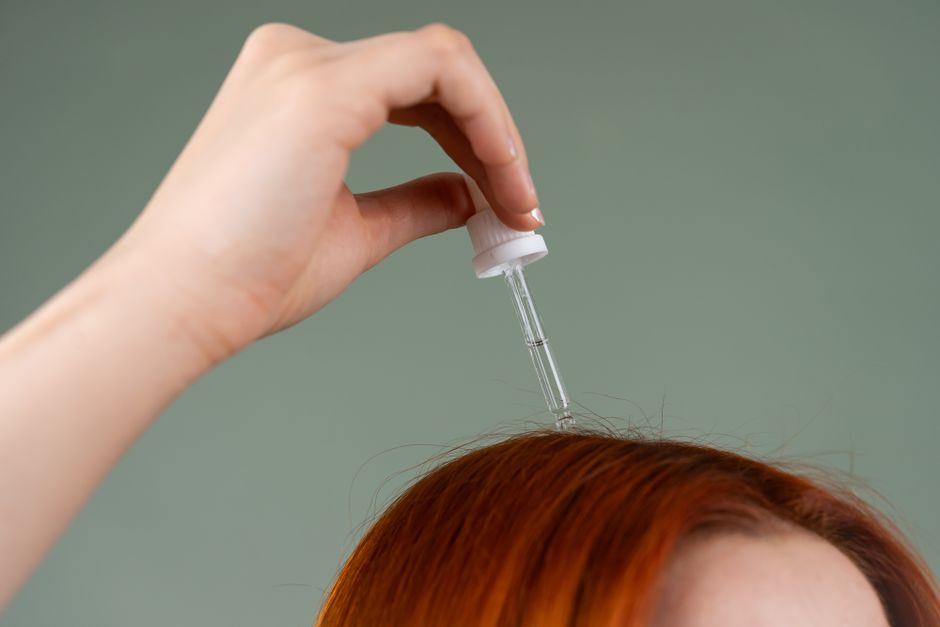
Two medications have strong clinical evidence behind them. The first is minoxidil, sold under the brand name Rogaine. Minoxidil is a topical solution or foam applied directly to the scalp. It stimulates hair follicles and can slow hair loss while promoting regrowth. It works best on the crown of the head and is less effective on the hairline. Results take about three to six months to become visible, and you must keep using it. If you stop, the hair loss resumes.
The second medication is finasteride, sold under the brand name Propecia. Finasteride is a daily oral pill that blocks the enzyme responsible for converting testosterone into DHT. Lowering DHT levels protects the hair follicles from shrinking. Clinical trials show finasteride slows hair loss in most men and produces visible regrowth in a significant number of them. It requires a prescription from a doctor.
Both medications work better when started early. Hair follicles that have been dormant for years are harder to revive. Starting treatment at the first signs of thinning gives you the best chance of keeping what you have.
Are There Natural or Lifestyle Changes That Help?
Lifestyle changes will not stop genetic hair loss, but they can improve hair quality and prevent additional shedding. A balanced diet matters because hair follicles are among the most metabolically active cells in the body. They need protein, iron, zinc, and B vitamins to produce healthy hair. Severe deficiencies can push follicles into a resting phase, causing noticeable shedding.
Some research suggests that certain supplements may help, but the evidence is mixed. Saw palmetto is sometimes marketed as a natural DHT blocker, but large human trials have not confirmed it works as well as finasteride. Biotin supplements are popular, but biotin deficiency is rare, and taking extra biotin does not stop genetic hair loss. If you have a confirmed deficiency, correcting it helps. Otherwise, supplements are unlikely to change your hairline.
Stress management is worth considering. High stress levels trigger the release of cortisol, which can push hair follicles into the shedding phase. This type of hair loss is usually temporary and reverses once stress levels return to normal. Exercise, adequate sleep, and reducing caffeine intake late in the day are practical ways to keep stress in check.





What Daily Habits Damage Hair Without You Noticing?
Some hair loss is self-inflicted. Tight hairstyles like ponytails, buns, or braids pull on the hair roots and cause a condition called traction alopecia. Over time, this constant pulling damages the follicle and can lead to permanent hair loss. Wearing looser styles gives the follicles a break.
Heat styling tools are another culprit. Flat irons, curling wands, and blow dryers set to high temperatures damage the hair shaft, making it brittle and prone to breakage. Broken hair looks thinner, even though the follicle is healthy. Using lower heat settings and applying a heat protectant spray reduces this damage.
Chemical treatments like perms, relaxers, and frequent coloring weaken the hair structure. If you use these regularly, consider spacing them out. Washing hair too aggressively or scrubbing the scalp with fingernails can also cause breakage. Gentle shampooing with the fingertips is sufficient to clean the scalp.
When Should You See a Doctor About Hair Loss?
Sudden or patchy hair loss warrants a medical evaluation. If you notice clumps of hair coming out in the shower, bald spots appearing overnight, or itching and burning on the scalp, see a dermatologist. These symptoms may indicate an autoimmune condition like alopecia areata or a fungal infection like ringworm. Both require specific treatments that are different from standard hair loss medications.
A doctor can also run blood tests to check for underlying issues. Thyroid function, iron levels, and vitamin D are common checks. Identifying a deficiency or hormonal imbalance early makes treatment simpler and more effective.
You should also see a doctor if you are considering finasteride. It is a prescription medication with potential side effects, including decreased libido and erectile dysfunction in a small percentage of men. These side effects usually resolve when the medication is stopped, but you should discuss the risks with a healthcare provider before starting.
Do Laser Devices and PRP Therapy Actually Work?
Low-level laser therapy, or LLLT, is another option. These devices emit red light that penetrates the scalp and is thought to stimulate cellular activity in hair follicles. Some studies show modest improvements in hair density with regular use. The evidence is not as strong as it is for minoxidil or finasteride, but the devices have a good safety profile and no known serious side effects.
Platelet-rich plasma therapy, commonly called PRP, involves drawing your blood, spinning it in a centrifuge to concentrate the platelets, and injecting the solution into the scalp. Platelets contain growth factors that may stimulate hair follicles. Some clinical studies report improvements in hair count and thickness, but the results are inconsistent. PRP is expensive, requires multiple sessions, and is not covered by most insurance plans.
Both treatments are considered reasonable options for men who cannot or choose not to take medication. They are not cures, and maintenance treatments are required to sustain any benefit. Discuss these options with a dermatologist who specializes in hair loss to determine if you are a good candidate.
What Is the Realistic Timeline for Seeing Results?
Hair grows slowly, and treatments take time to work. Minoxidil and finasteride typically require three to six months of consistent use before any change is noticeable. Full results, if they occur, appear after about one year. The goal of treatment is to stop further loss first. Regrowth is a secondary benefit and is not guaranteed.
It is normal to experience increased shedding during the first few weeks of using minoxidil. This is called the shedding phase. It happens because the medication pushes resting hairs out to make way for new growth. This phase passes, but many men mistake it for the treatment failing and stop too early. Do not stop the treatment during this period unless you experience severe side effects.
For surgical options like hair transplants, the timeline is different. Transplanted hairs fall out within a few weeks after surgery, which is normal. New growth begins around three months and continues to improve over the next year. A transplant does not stop ongoing hair loss, so most surgeons recommend combining it with medication.
Frequently Asked Questions
Can male hair loss reverse on its own?
No, genetic hair loss does not reverse without treatment. If left untreated, the follicles continue to shrink and eventually stop producing hair.
Is it better to use minoxidil or finasteride?
Both are effective, but they work differently. Minoxidil is topical and stimulates follicles directly, while finasteride is a pill that lowers DHT levels. Many men use both together for the best results.
Does wearing a hat cause hair loss?
No, wearing a hat does not cause hair loss. Hats do not restrict blood flow to the scalp enough to damage follicles.
How long does it take to see results from hair loss treatment?
Most treatments take three to six months to show visible changes. Maximum results appear after about one year of consistent use.
