
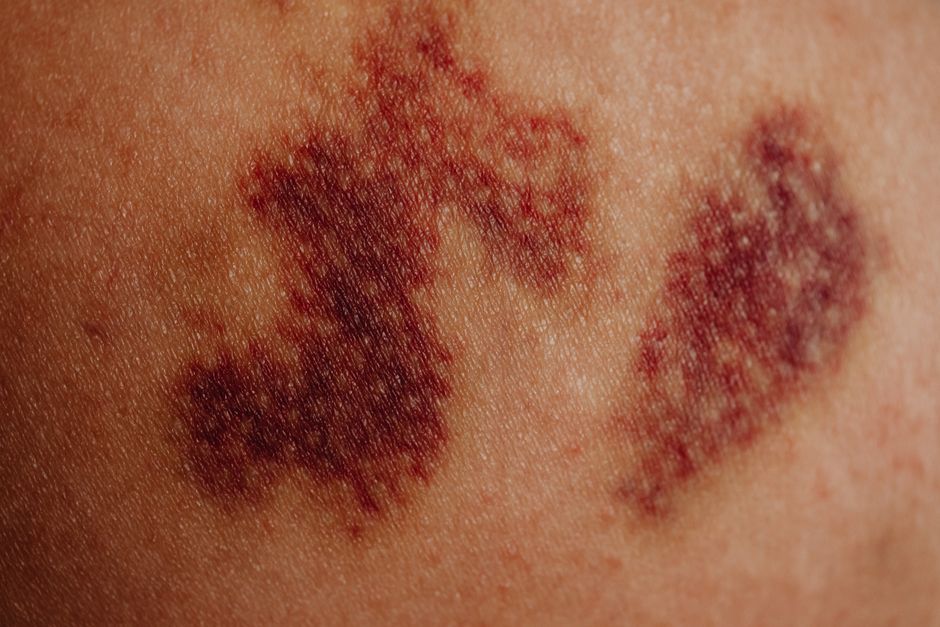
A bruise on your face can feel more serious than a bruise anywhere else, partly because you see it every time you look in a mirror. The single most effective thing you can do in the first day or two is apply cold, not heat. Cold narrows blood vessels and limits how much blood leaks into the tissue. Heat does the opposite, and it can make a fresh bruise worse. After the first day or two, the advice flips, and gentle warmth can help your body clear the pooled blood away.
That timing is the part most people get wrong. Ice too long and you slow your own healing. Heat too soon and you feed the bruise. This article explains what a bruise actually is, when to use cold, when to switch to warmth, and the warning signs that mean a facial injury needs medical attention rather than home care.
What Actually Happens Under the Skin When You Bruise
A bruise is pooled blood trapped in tissue. When a small blood vessel under the skin breaks, red blood cells leak into the surrounding area. That collection of blood is what you see as the dark blue, purple, or black discoloration.
Your body then runs a cleanup process. Over several days, enzymes break down the leaked red blood cells. Hemoglobin, the oxygen-carrying protein that makes blood red, gets converted into other pigments as it degrades. This is why a bruise changes color over time, shifting from dark purple or blue toward green, then yellow, then fading. The color changes are a sign the cleanup is working, not a sign something is wrong.
This process is well established and follows a fairly predictable pattern in healthy people. The timeline varies with the size of the bruise, the location, and how much blood leaked in the first place. A small bruise may fade in a few days. A larger one can take a couple of weeks or longer.
One detail worth knowing: the face has a rich blood supply and thin skin compared with most other parts of the body. That combination means facial bruises can look darker and more dramatic than a similar injury on your arm or leg. It also means they often heal relatively quickly, because good blood flow supports the cleanup process.
How To Reduce Face Bruising: Ice, Heat, And More
Cold first, warmth later, and hands off in between. That is the short version, and it holds for most everyday bruises from a bump, a fall, or a minor knock.
Cold works by causing blood vessels to narrow, a process called vasoconstriction. Narrower vessels leak less blood, so the bruise stays smaller and less dark. Cold also dulls pain by slowing nerve signals in the area.
Heat works in the opposite direction. It widens blood vessels. Applied to a fresh bruise, warmth can increase bleeding into the tissue and make the discoloration worse. This is why the old advice to put a warm compress on a new injury is backwards.
Once the bleeding has stopped, usually after the first day or two, the goal changes. Now you want to help your body move the trapped blood out of the tissue. Gentle warmth increases blood flow, which supports the cleanup process. This is the point where heat becomes useful rather than harmful.
How do you know when to switch? A reasonable rule is to use cold for the first 24 to 48 hours after the injury. After that, if the bruise has stopped getting darker or larger, gentle warmth is generally fine. If you are unsure, staying with cold a little longer is the safer choice.
How to Apply Cold Safely
Never put ice directly on your skin. Direct ice can cause a cold burn, and facial skin is more delicate than skin on your limbs.
Wrap your cold source in a thin cloth or towel first. A bag of frozen vegetables, a cold pack, or ice in a plastic bag all work, as long as there is a layer of fabric between the cold and your skin.
Apply cold for short periods, then take a break. A common approach is roughly 15 to 20 minutes on, then at least 20 minutes off before repeating. This on-and-off pattern lets your skin recover and reduces the risk of cold injury.
You can repeat this several times during the first day or two. You do not need to keep ice on constantly, and doing so is not helpful. The benefit comes from repeated short applications, not from continuous cold.
Stop immediately if your skin turns white, waxy, hard, or numb in a way that does not go away. Those are signs of cold injury, and you should let the area warm up fully before any further cold.
How to Use Heat at the Right Time
Heat helps once the bleeding under the skin has stopped. Its job is to boost circulation so your body can carry away the breakdown products of the pooled blood.
A warm, not hot, compress is the goal. A washcloth soaked in comfortably warm water works well. Test it on the inside of your wrist first. If it feels hot rather than soothing, let it cool down.
Apply gentle warmth for about 10 to 15 minutes at a time, a few times a day. As with cold, you do not want to overdo it. Heat that is too intense or applied too long can irritate skin and cause swelling.
Do not use heat if the area is still swelling, still bleeding, or getting more painful. Those signs suggest the injury is still active, and heat could make it worse.
Some people also find that very gentle movement of the surrounding facial muscles, once the acute phase has passed, helps them feel less stiff. There is no strong evidence that facial exercises speed up bruise fading specifically. Move gently if it feels comfortable, and stop if it hurts.
What Else Can Help, and What to Avoid
Rest and elevation help reduce swelling, which in turn can limit how bad a bruise looks. If the bruise is near your eye or cheek, sleeping with your head slightly raised on an extra pillow may reduce fluid pooling overnight.
Certain over-the-counter creams and gels are marketed for bruises. The evidence for most of them is limited, and no topical product has been shown to reliably speed up bruise resolution. Some contain ingredients like arnica or vitamin K. Results from studies are mixed, and any effect appears modest at best. If you try one, do not apply it to broken skin, and stop if it irritates your face.
A few things can genuinely slow healing or make bruising worse:
- Blood-thinning medications, including aspirin and some prescription anticoagulants, can make bruises larger and longer-lasting.
- Alcohol can widen blood vessels and increase bleeding.
- Some supplements, including high-dose fish oil and certain herbal products, may affect clotting. Ask a pharmacist if you are unsure about yours.
- Rubbing or massaging a fresh bruise can increase bleeding and should be avoided early on.
If you bruise very easily, or bruises appear without any injury, that is worth discussing with a doctor. Easy bruising can sometimes reflect a problem with blood clotting or with the blood vessels themselves, and it deserves a proper evaluation rather than home remedies.
When a Facial Bruise Needs Medical Attention
Most facial bruises from minor bumps are not dangerous. Some are, and the face is close to the brain, eyes, and airway, which raises the stakes.
Seek medical care if any of the following apply:
- The injury involved a blow to the head, and you have confusion, vomiting, a severe headache, drowsiness, or trouble staying awake.
- You have vision changes, double vision, or eye pain.
- The bruise is around the eye and the eye itself looks bloodshot, or the white of the eye is bleeding.
- There is a lot of swelling that is getting worse rather than better.
- You cannot move part of your face, or you have numbness.
- The bruise keeps growing or spreading well beyond the original area.
- You have a bleeding disorder, or you take a blood thinner and the bruise is large or spreading.
Head injuries are the main concern with facial trauma. A bruise on the face can come with a hidden injury to the skull or brain, and symptoms do not always appear right away. When in doubt, get checked. This is one area where being cautious is clearly the right call.
How Long Does a Facial Bruise Take to Fade?
Most facial bruises fade over one to two weeks, though this varies widely. Smaller bruises from minor bumps can clear in a few days. Larger ones, or bruises in people who take blood thinners, can take longer.
The color changes are your guide. A bruise that moves from dark purple or blue toward green, then yellow, is following the normal pattern. A bruise that stays dark and continues to spread is not, and it is worth having a doctor look at it.
You cannot truly speed up the underlying biology. What you can do is avoid making it worse: cold early, warmth later, no rubbing, and no heat on a fresh injury. That gives your body the best conditions to do its own job.
Frequently Asked Questions
Should I use ice or heat on a fresh face bruise?
Use ice or a cold pack for the first 24 to 48 hours, wrapped in a cloth so it never touches bare skin. Cold narrows blood vessels and limits bleeding, while heat can make a fresh bruise worse.
How long should I leave ice on a bruise?
Apply cold for about 15 to 20 minutes, then take at least a 20-minute break before repeating. Never put ice directly on your skin, because it can cause a cold burn.
When can I switch from ice to heat?
Switch to gentle warmth after the first day or two, once the bruise has stopped getting darker or larger. Heat increases blood flow, which helps your body clear the trapped blood away.
When should a facial bruise worry me?
Get medical care if the injury involved a blow to the head, or if you have vision changes, worsening swelling, facial numbness, or a bruise that keeps spreading. A bruise that appears with no injury at all should also be checked.
