
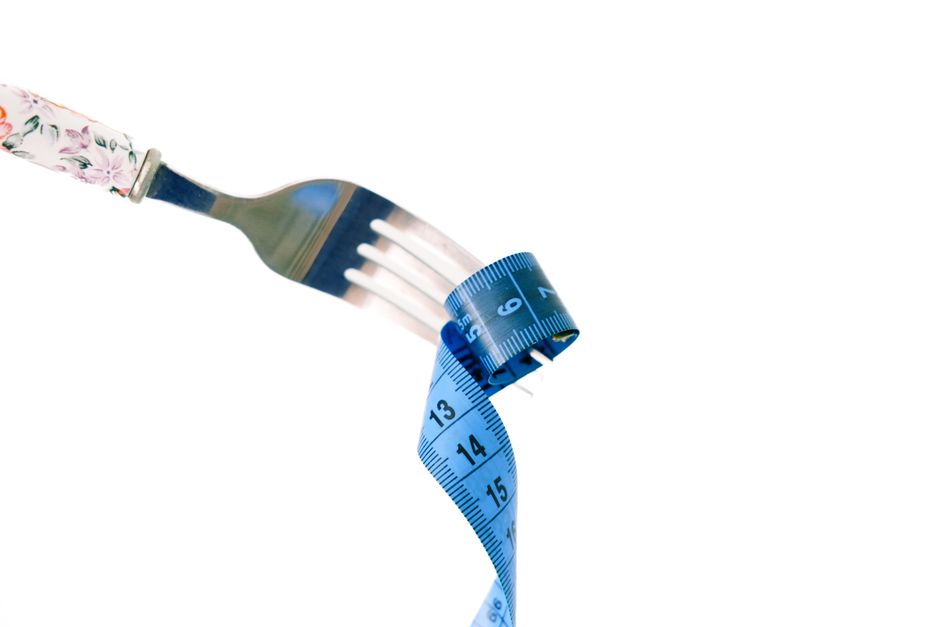
Endometrial thickness is not a fixed number that diet can simply dial down. The endometrium is the lining of the uterus, and its thickness changes with your menstrual cycle, your age, and your hormone levels. In a normal premenopausal cycle, that lining grows and sheds every month. Diet does not override that biology. What diet can do is influence some of the underlying drivers — body fat, insulin resistance, and estrogen levels — that push the lining to grow more than it should.
So the honest answer to how to reduce endometrial thickness naturally with diet is this: no food or supplement has been shown to directly thin the endometrium. But weight loss through diet, reducing insulin resistance, and lowering excess estrogen exposure can change the hormonal environment that drives abnormal thickening. That matters most for people with obesity, polycystic ovary syndrome (PCOS), or other conditions linked to estrogen dominance. It does not replace medical evaluation, and it will not shrink a lining that needs clinical treatment.
What Actually Determines Endometrial Thickness?
Estrogen makes the endometrium grow. Progesterone, produced after ovulation, changes and stabilizes it. When that balance shifts — too much estrogen signaling, too little progesterone — the lining can become thicker than expected.
Several things drive that shift:
- Body fat. Fat tissue converts other hormones into estrogen. More fat means more circulating estrogen.
- Insulin resistance. High insulin levels can raise estrogen and lower protective hormone-binding proteins.
- Chronic anovulation. If you do not ovulate regularly, progesterone stays low and the lining keeps building without shedding.
- Age and menopause. After menopause, any endometrial thickening is abnormal and needs evaluation.
Diet touches the first two directly. It cannot fix anovulation caused by a hormonal disorder on its own, and it cannot address a lining that has already become abnormal.
Can Diet Really Reduce Endometrial Thickness?
Diet can change the hormonal environment that influences the endometrium. It does not act on the lining directly.
The clearest evidence involves weight. Obesity is a well-established risk factor for endometrial hyperplasia and endometrial cancer, largely because of the estrogen produced by fat tissue. Losing weight reduces that estrogen source. Research consistently shows that weight loss in people with obesity lowers circulating estrogen levels. Whether that translates into measurable thinning of the endometrium in every case is less certain — the evidence is stronger for reducing risk than for reversing an existing thickened lining.
Insulin resistance is the second lever. When cells respond poorly to insulin, the body compensates by producing more of it. High insulin can stimulate estrogen production and reduce sex hormone-binding globulin, which normally binds and limits active estrogen. Diets that improve insulin sensitivity may therefore lower estrogen activity. This is a reasonable mechanism, but it is not the same as proven endometrial thinning.
What diet cannot do: shrink a lining that is already thickened from hyperplasia, reverse atypical cells, or substitute for the biopsy and imaging your doctor uses to assess the endometrium. If you have postmenopausal bleeding or abnormal bleeding, diet is not the answer — evaluation is.
Which Foods May Help Lower Estrogen and Support Hormone Balance?
No single food lowers estrogen enough to thin the endometrium. But eating patterns that reduce body fat and improve insulin sensitivity can shift the hormonal picture over time.
Fiber is one of the more plausible players. Fiber binds to estrogen in the gut and increases its excretion in stool. Some research suggests higher fiber intake is associated with lower circulating estrogen. The effect is modest and not proven to change endometrial thickness on its own.
Foods and patterns worth focusing on:
- Vegetables and fruit. High in fiber and low in calories, which supports weight management.
- Legumes and whole grains. Slow-digesting carbohydrates that blunt insulin spikes.
- Healthy fats. Olive oil, nuts, seeds, and fatty fish support satiety and metabolic health.
- Lean protein. Helps preserve muscle during weight loss.
These are general healthy-eating principles, not endometrium-specific treatments. The benefit comes from the metabolic changes they produce, not from any single nutrient acting on the uterus.




What About Soy, Flaxseed, and Phytoestrogens?
Soy and flaxseed contain phytoestrogens — plant compounds that weakly mimic estrogen. This has led to the idea that they might either raise or lower estrogen activity. The evidence is mixed.
Phytoestrogens bind to estrogen receptors much more weakly than the body’s own estrogen. In some contexts they may act as weak estrogens; in others they may block stronger estrogen from binding. Human studies have not shown that eating soy or flaxseed thins the endometrium. Some research indicates soy intake is not associated with increased endometrial cancer risk, and may be neutral or mildly protective. But “not harmful” is not the same as “thins the lining.”
Do not rely on soy or flaxseed to change endometrial thickness. If you eat them as part of a balanced diet, there is no strong evidence they will harm you, but there is also no strong evidence they will help with this specific concern.
Does Weight Loss Change Endometrial Thickness?
Weight loss is the most evidence-supported dietary lever for lowering estrogen exposure. In people with obesity, losing weight reduces the amount of estrogen produced by fat tissue and improves insulin sensitivity.
What the evidence shows: obesity raises the risk of endometrial hyperplasia and endometrial cancer, and weight loss reduces that risk. What is less clear is how much weight loss is needed to measurably thin an existing endometrium, and whether diet alone can do it. Much of the research on reversing endometrial thickening involves hormonal treatment, not diet.
For someone with a thickened lining and obesity, weight loss is a reasonable and often recommended part of overall care. It is not a guaranteed way to normalize the lining, and it should not delay the diagnostic steps your doctor recommends.
When Diet Is Not Enough — and When It Is Not the Answer
Some endometrial thickening needs medical treatment, not dietary changes. The distinction matters.
Situations where diet is not the answer:
- Postmenopausal bleeding. Any bleeding after menopause requires prompt evaluation, regardless of diet.
- Endometrial hyperplasia, especially with atypia. This is a precancerous condition that typically needs hormonal treatment or surgery.
- Abnormal uterine bleeding. Heavy, irregular, or between-period bleeding needs a diagnosis, not a diet.
- A thickened lining found on imaging. The next step is usually further testing, not nutrition changes.
Diet may support overall hormonal health and reduce long-term risk. It does not treat these conditions. If you have any of the symptoms above, see a clinician. The endometrium is not a tissue you can safely manage with food alone when something abnormal is going on.
What Does a Supportive Eating Pattern Look Like?
A pattern that supports lower estrogen and better insulin sensitivity looks a lot like standard heart-healthy eating. It is not a special endometrium diet, because no such diet has been established.
General principles:
- Center meals on vegetables, legumes, and whole grains.
- Choose lean protein and healthy fats.
- Limit added sugar and refined carbohydrates, which spike insulin.
- Limit alcohol, which is associated with higher estrogen levels.
- Stay active — exercise supports weight management and insulin sensitivity.
These steps are reasonable for most adults. They are not a proven method for thinning the endometrium, and no clinical guideline recommends a specific diet for that purpose. Treat them as general metabolic support, not a targeted treatment.
Frequently Asked Questions
Can you reduce endometrial thickness with diet alone?
No — no diet has been shown to directly thin the endometrium. Diet can lower estrogen exposure and improve insulin sensitivity, which may influence the hormonal environment, but it does not replace medical treatment for abnormal thickening.
What foods should I avoid if my endometrium is thick?
There is no established list of foods to avoid for endometrial thickness specifically. Limiting added sugar, refined carbohydrates, and alcohol is reasonable because they can raise insulin and estrogen levels, but this is general advice, not a proven treatment.
Does weight loss shrink a thickened endometrium?
Weight loss lowers estrogen produced by fat tissue and reduces the risk of endometrial hyperplasia and cancer. Whether it measurably thins an existing thickened lining is not well established, so it should not replace medical evaluation.
Can soy or flaxseed thin the endometrium?
No — human studies have not shown that soy or flaxseed thins the endometrium. Their phytoestrogens bind weakly to estrogen receptors, and the evidence suggests they are unlikely to harm, but they are not a treatment.
