
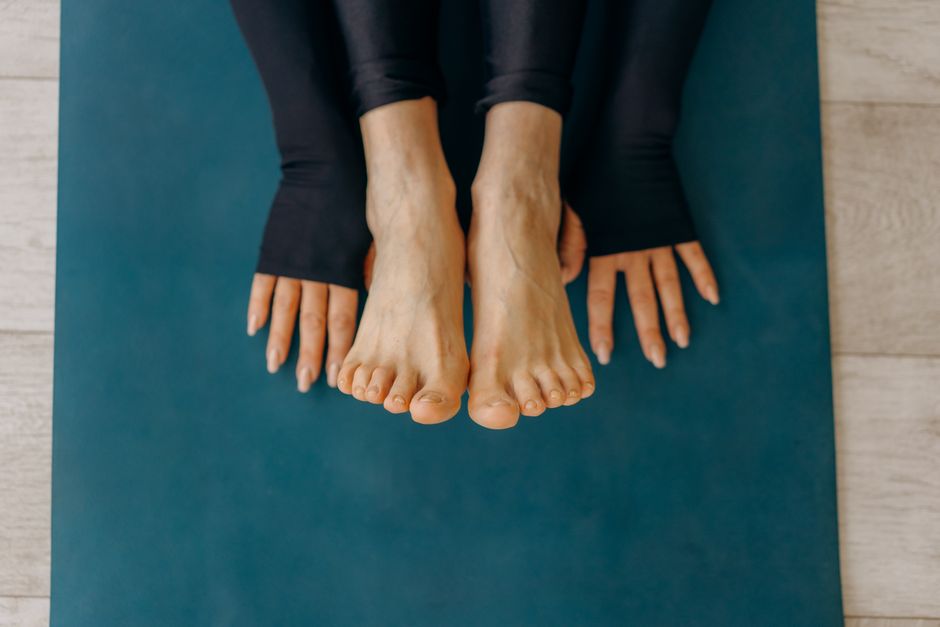
Swelling in your feet and ankles is called edema, and it happens when fluid builds up in the tissues instead of being carried back out by your circulation. The most reliable home steps are simple: elevate your legs above heart level, move your feet and ankles regularly, cut back on salt, wear compression stockings if your doctor says they are safe for you, and protect the skin from pressure and injury. These measures ease mild swelling. They do not fix the underlying cause, and some causes need medical care.
Swelling that comes on suddenly in one leg, or that comes with shortness of breath or chest pain, is a medical emergency. Call 911.
What Actually Causes Fluid To Pool In Your Feet?
Your body moves fluid through tiny blood vessels called capillaries. Normally, a balance of pressure pushes fluid out and pulls it back in, and your lymphatic system drains whatever is left behind. Edema happens when that balance tips.
Several well-understood mechanisms can tip it:
- Gravity and stillness. Blood and fluid pool in the lowest parts of your body when you sit or stand for long periods without moving your calf muscles. The calf muscles act as a pump that helps push venous blood back toward the heart. When they are not working, fluid collects.
- Increased pressure in the veins. This happens in heart failure, in chronic venous insufficiency, and in pregnancy, where the growing uterus presses on veins in the pelvis.
- Low protein in the blood. Conditions such as liver disease, kidney disease, and malnutrition lower a protein called albumin, which normally holds fluid inside blood vessels. When albumin drops, fluid leaks into surrounding tissue.
- Leaky capillaries. Inflammation, infection, and some medications make capillary walls more permeable.
- Blocked lymph drainage. Surgery, radiation, infection, or a damaged lymphatic system can prevent fluid from being cleared.
Common causes of foot and ankle swelling include prolonged standing, pregnancy, being overweight, certain blood pressure medications, diabetes, kidney disease, heart failure, and venous insufficiency. Sometimes no clear cause is found, which clinicians call dependent edema.
This matters because home remedies treat the fluid, not the reason it is collecting. If the cause is a medication or a heart condition, no amount of elevation will resolve it.
How To Reduce Edema In Feet Proven Home Remedies
These are the measures with the most consistent support for mild, stable swelling.
Elevate your legs above heart level
Gravity is the most direct tool you have. Lying down and raising your feet above the level of your heart lets fluid drain back toward your central circulation. Propping your feet on a low stool while sitting helps less, because your legs are still below your heart. Aim for several short sessions a day rather than one long one. Support the whole leg, not just the ankle, so the fluid has a path.
Move your ankles and calves
Your calf muscles are sometimes called a second heart because they squeeze veins and push blood upward with every contraction. Ankle pumps, foot circles, and short walks activate that pump. If you sit for work, set a reminder to move every 30 to 60 minutes. Avoid crossing your legs, which can compress veins and slow return flow.
Reduce sodium
Sodium makes your body hold onto water. National guidelines generally recommend keeping sodium under about 2,300 milligrams a day for most adults, and many clinicians suggest lower targets for people with heart or kidney conditions. Most sodium comes from processed and restaurant food, not the salt shaker. Reading labels and cooking more meals at home often reduces intake more than any single swap.
Wear compression stockings
Graduated compression stockings apply gentle pressure at the ankle that decreases up the leg, helping veins push blood upward. They are widely used for venous insufficiency and swelling after long periods of standing. The evidence for benefit in venous disease is reasonably consistent. The evidence for using them in heart failure is more limited and mixed, so this is a case where medical guidance matters.
Compression is not right for everyone. If you have peripheral artery disease, poorly controlled heart failure, or certain skin infections, compression can be harmful. Talk to a clinician before buying a pair, and get fitted properly — the wrong size does nothing or causes problems.
Protect the skin
Swollen skin stretches and becomes fragile. It also heals more slowly. Wash and dry your feet daily, check for cuts and blisters, keep toenails trimmed straight across, and wear shoes that fit without rubbing. This is not cosmetic. Small injuries in swollen feet can become serious infections.
Manage weight and stay active
Excess body weight increases pressure on veins in the legs and abdomen. Regular movement supports circulation and vein function. This is general health guidance rather than a specific edema treatment, but it addresses a contributing factor.
Which Home Remedies Do Not Have Good Evidence?
A lot of popular advice circulates online. Some of it is harmless but unproven. Some of it is risky.
Diuretics without a prescription. Water pills are prescription medications for specific conditions. Taking them to shrink swollen ankles without knowing why you are swollen can cause dehydration, electrolyte problems, and kidney strain. They also do not fix the cause.
Dandelion, parsley, and herbal “water pills.” These are widely marketed for fluid retention. No large human trials have confirmed they meaningfully reduce edema, and some can interact with prescription medications. The evidence is limited.
Epsom salt soaks. Soaking may feel soothing, but there is no evidence it draws fluid out of swollen tissue. It can also dry and irritate fragile skin.
Massage. Gentle massage toward the heart may help move fluid in some types of swelling. There is limited evidence for a meaningful effect on its own, and massage is not appropriate if you have a blood clot, an infection, or heart failure that is not controlled. Deep or aggressive massage on a swollen leg is not safe.
Cutting back on water. This is a common and harmful mistake. Drinking less fluid does not reduce edema and can worsen dehydration, especially in older adults. Your body holds fluid because of how it is regulating pressure and protein, not because you drank too much.


When Is Swelling A Medical Emergency?
Most long-standing mild swelling is not an emergency. Certain patterns are.
Call 911 if swelling comes with chest pain, shortness of breath, or difficulty breathing. These can signal heart failure or a clot in the lungs.
Get urgent care if:
- Swelling appears suddenly in one leg only
- The swollen area is red, hot, or very tender
- You have a fever along with the swelling
- The swelling is painful and came on within hours
- You have a wound or open sore on a swollen foot
Sudden one-sided swelling with pain or warmth can indicate a deep vein blood clot, which is dangerous if it travels to the lungs. Redness, heat, and fever can indicate infection. Both need prompt evaluation, not home treatment.
Why You Should Not Ignore Ongoing Swelling
Swelling that persists for weeks is a signal worth investigating. It can be the first visible sign of heart failure, kidney disease, liver disease, or venous insufficiency. In those cases, treating the swelling without treating the cause does not change the outcome.
Some medications cause edema as a side effect, including certain blood pressure drugs, steroids, and diabetes medications. A clinician can often identify a medication cause and adjust the prescription. That is a conversation to have with the prescriber, not something to change on your own.
There is a distinction worth knowing. Dependent edema from standing or travel is usually soft, symmetric, and improves overnight. Edema from organ disease tends to be more persistent and may come with other symptoms like fatigue, shortness of breath, or changes in urination. The pattern gives clues, but only a clinician can sort it out.
How Long Does It Take For Home Remedies To Work?
For swelling caused by standing or travel, elevation and movement often reduce it within hours. For swelling from venous insufficiency or a chronic condition, improvement is gradual and depends on treating the underlying problem. There is no fixed timeline that applies to everyone, and anyone who promises one is guessing.
If your swelling is not improving after consistent home measures, or if it is getting worse, that is the point to see a clinician. Home remedies are a reasonable first step for mild, stable swelling. They are not a substitute for diagnosis.
Frequently Asked Questions
Does drinking more water help reduce swollen feet?
Staying normally hydrated supports kidney function but does not directly reduce edema, and cutting back on water does not help either. Restricting fluids without medical guidance can cause dehydration and is not recommended.
Are compression socks safe to wear every day?
For many people with venous swelling, daily use is appropriate and often recommended. They are not safe for everyone, particularly people with peripheral artery disease or uncontrolled heart failure, so check with a clinician first.
Can I take a diuretic to get rid of foot swelling at home?
No. Diuretics are prescription medications for specific conditions and can cause dehydration and electrolyte problems if used without medical supervision.
When should swollen feet be checked by a doctor?
See a clinician if swelling is new, one-sided, painful, or persistent, or if it comes with redness, heat, fever, or shortness of breath. Sudden one-sided swelling or breathing difficulty needs emergency care.
