
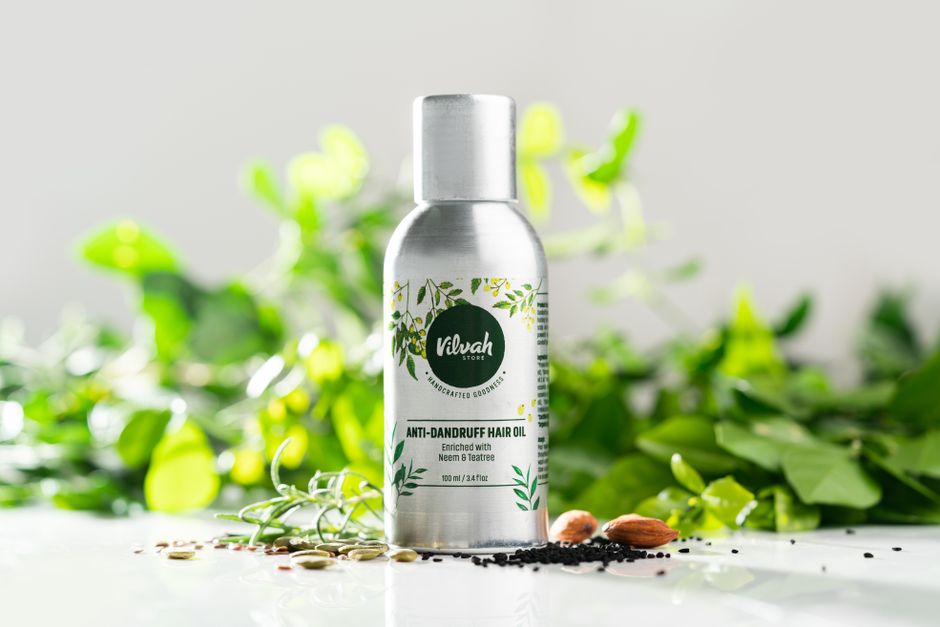
Dandruff is not caused by poor hygiene, and no shampoo will cure it forever. The goal is to manage the scalp condition that produces those white flakes, and for most people that means using the right active ingredients consistently. Research shows that dandruff is usually linked to an overgrowth of a yeast called Malassezia on the scalp, combined with an inflammatory response from your skin. The most effective shampoos and remedies target this yeast, reduce inflammation, or gently remove excess skin cells. Here is what the evidence actually says about reducing dandruff with shampoos, remedies, and more.
What Actually Causes Dandruff in the First Place?
Dandruff is not dry skin. That is a common misunderstanding. The scalp produces oil called sebum, and a yeast that naturally lives on most people’s skin feeds on that oil. In some people, the immune system overreacts to the yeast and its byproducts, causing inflammation, faster skin cell turnover, and flaking. This condition is called seborrheic dermatitis when it is more severe and extends beyond the scalp to the eyebrows, nose, or chest.
The American Academy of Dermatology explains that dandruff is driven by three factors: oil production, the yeast Malassezia, and individual susceptibility. You cannot stop your scalp from producing oil, and you cannot permanently eliminate the yeast. You can only keep the yeast population in check and manage the inflammation. That is why dandruff tends to come back when you stop treatment. It is a chronic condition, not a one-time problem.
Which Active Ingredients in Shampoos Actually Reduce Dandruff?
Not all dandruff shampoos are the same. The active ingredient determines what the shampoo actually does. Research published in the Journal of Dermatology and Dermatologic Surgery confirms that the most evidence-backed ingredients include ketoconazole, selenium sulfide, zinc pyrithione, salicylic acid, and coal tar. Each works through a different mechanism.
Ketoconazole is an antifungal that directly kills Malassezia yeast. Studies show it reduces dandruff severity significantly within two to four weeks. It is available over the counter at 1% and by prescription at 2%. Selenium sulfide slows down skin cell turnover and also has antifungal properties. It works well but can leave the hair feeling dry or discolored on light hair if not rinsed thoroughly. Zinc pyrithione is antibacterial and antifungal. It is found in many popular shampoos and has solid evidence for mild to moderate dandruff.
Salicylic acid does not kill yeast. It helps remove the scales and flakes by breaking down the bonds between dead skin cells. It is useful when thick flakes build up, but it does not address the underlying yeast overgrowth. Coal tar slows down the rapid cell turnover that causes flaking. The evidence for coal tar is strong, but many people dislike the smell and the dark color. The FDA has raised some safety concerns about high concentrations of coal tar, though it remains available over the counter.
| Ingredient | What It Does | How Fast It Works |
|---|---|---|
| Ketoconazole | Kills Malassezia yeast | 2–4 weeks |
| Selenium sulfide | Slows cell turnover, antifungal | 2–4 weeks |
| Zinc pyrithione | Antifungal and antibacterial | 2–4 weeks |
| Salicylic acid | Removes scales and flakes | After first few washes |
| Coal tar | Slows rapid cell turnover | 2–4 weeks |
How Often Should You Use Dandruff Shampoo for Best Results?
Most people do not use dandruff shampoo often enough. The common mistake is to use it once and expect the flakes to stay away. The yeast on your scalp starts to grow back within days. The standard recommendation from dermatologists is to use a medicated shampoo two to three times per week during flare-ups. Once the flakes are under control, you can drop to once a week or every other week for maintenance.
Here is the part that many articles skip: you need to leave the shampoo on your scalp for at least three to five minutes before rinsing. The active ingredients need time to penetrate the oil layer and reach the skin. If you rinse immediately, you wash away the medicine. A study in the Journal of the American Academy of Dermatology found that longer contact time significantly improves antifungal activity. Set a timer if you have to.
Alternating between two different active ingredients can also help. Some people find that ketoconazole works well for a few weeks and then becomes less effective. Rotating with selenium sulfide or zinc pyrithione keeps the yeast from adapting and can improve long-term control.





Do Natural Remedies Like Tea Tree Oil or Apple Cider Vinegar Work?
Tea tree oil has the most evidence among natural options. A randomized controlled trial published in the Journal of the American Academy of Dermatology found that a 5% tea tree oil shampoo significantly reduced dandruff severity after four weeks compared to a placebo. The study was small but well-designed. Tea tree oil has antifungal and anti-inflammatory properties that make it a reasonable option for mild dandruff. The downside is that some people develop contact dermatitis from it. Always dilute it and do a patch test first.
Apple cider vinegar is widely claimed to balance scalp pH and kill yeast. There is no strong clinical evidence that it works for dandruff. The acidity might temporarily reduce the appearance of flakes by loosening scales, but it does not reliably kill Malassezia. Some people report irritation and even chemical burns from using undiluted vinegar on the scalp. This is one of those remedies where the risk of harm outweighs the weak evidence.
Aloe vera, coconut oil, and baking soda are also commonly mentioned online. Aloe vera has anti-inflammatory properties that might soothe an irritated scalp, but no good studies show it reduces dandruff on its own. Coconut oil can actually feed the yeast because it contains fatty acids that Malassezia uses for growth. Baking soda is too abrasive for the scalp and can disrupt the skin barrier. Stick with what has actual research behind it.
How To Reduce Dandruff Shampoos Remedies More: Lifestyle Changes That Help
Your shampoo alone may not be enough if your scalp stays inflamed. Some lifestyle factors can make dandruff worse. Stress is a well-documented trigger. Research shows that stress increases cortisol levels, which can worsen inflammation and sebum production. People with chronic stress tend to have more frequent and severe dandruff flare-ups. Managing stress will not cure dandruff, but it can reduce how often you need to treat it.
Diet plays a smaller role than some sources claim. There is no strong evidence that cutting out sugar or dairy eliminates dandruff. However, a diet low in zinc, B vitamins, and omega-3 fatty acids may contribute to poor skin health. A 2019 review in the Journal of Clinical and Aesthetic Dermatology noted that zinc deficiency is linked to seborrheic dermatitis in some cases. Eating foods rich in zinc like pumpkin seeds, chickpeas, and lean meat may support overall skin function, but it is not a replacement for medicated shampoo.
Washing your hair too infrequently can make dandruff worse because the oil buildup feeds the yeast. On the other hand, washing every day with harsh shampoos can strip the scalp and cause rebound oil production. Find a balance that keeps your scalp clean without irritation. For most people with dandruff, that means washing at least every other day with a gentle shampoo on non-medicated days.
What to Avoid When Treating Dandruff
Avoid scratching. It feels satisfying but it damages the skin barrier and increases inflammation. Scratching also creates small wounds that can become infected. If your scalp itches, use a cool compress or an anti-itch product with menthol or pramoxine instead.
Avoid using heavy hair products directly on your scalp. Gels, pomades, and leave-in conditioners can clog pores and feed the yeast. Apply styling products only to the hair shafts, not the roots. The same goes for dry shampoo. Many dry shampoos contain starches that absorb oil but also create a breeding ground for yeast if left on the scalp too long.
Avoid switching shampoos too often. A common pattern is using a dandruff shampoo for a week, seeing some improvement, then switching to a different brand because the first one stopped working. That is not the shampoo failing. It is the yeast being suppressed and then growing back as soon as you stop. Stick with one effective ingredient for at least four weeks before deciding it does not work.
Frequently Asked Questions
Can dandruff shampoo make hair fall out?
No, dandruff shampoo does not cause hair loss. The active ingredients can make hair feel dry or brittle if overused, but they do not damage the hair follicle.
Is it safe to use dandruff shampoo every day?
Yes, but it can dry out your scalp and hair. Most dermatologists recommend using medicated shampoo two to three times per week and a gentle shampoo on other days.
Does dandruff mean my scalp is unhealthy?
Not exactly. Dandruff is a common scalp condition caused by yeast overgrowth and inflammation. It does not mean your scalp is dirty or infected.
Can stress alone cause dandruff?
Stress can trigger flare-ups but does not cause dandruff on its own. It worsens the underlying condition by increasing inflammation and oil production.
