

Cytokines are small proteins your immune system uses to send signals. Some are helpful and control inflammation. Others drive it. When the body keeps making too many of the inflammatory kind, that low-grade fire is linked to arthritis, heart disease, type 2 diabetes, and depression. You cannot switch cytokines off, and you should not try. But daily habits — sleep, diet, movement, stress, and body weight — all measurably affect how much inflammation your body produces.
This guide explains what cytokines do, what actually moves the needle in humans, and where the evidence is thin. No hype. No miracle fixes.
What Are Cytokines and Why Do They Matter?
Cytokines are signaling molecules released mostly by immune cells. They act like text messages between cells, telling the immune system to ramp up, stand down, or send reinforcements.
Two broad categories matter most for everyday health:
- Pro-inflammatory cytokines — tumor necrosis factor-alpha (TNF-alpha), interleukin-6 (IL-6), and interleukin-1 beta (IL-1β). These help fight infection but cause damage when chronically elevated.
- Anti-inflammatory cytokines — interleukin-10 (IL-10) and others. These help resolve inflammation once the threat is gone.
Acute inflammation is normal. A sprained ankle swells, heals, and settles. The problem is chronic low-grade inflammation — a slow, steady elevation of inflammatory cytokines that never fully resolves. Research links this state to insulin resistance, atherosclerosis, autoimmune flares, and cognitive decline.
Blood tests like high-sensitivity C-reactive protein (hs-CRP) and IL-6 give a rough picture. Normal hs-CRP is typically under 1 mg/L for low cardiovascular risk, though your doctor interprets results in context.
How To Reduce Cytokines Naturally: What Actually Works
No single habit lowers every cytokine. The effect comes from stacking several behaviors that each nudge the immune system toward balance. Here is what the evidence supports.
Sleep
Sleep loss raises IL-6 and TNF-alpha. One night of poor sleep can shift these markers. Chronic short sleep — consistently under seven hours for adults — keeps them elevated. Adults generally need seven to nine hours. Keeping a consistent sleep and wake time matters as much as total hours for most people.
Diet Patterns, Not Single Foods
No food “flushes” cytokines. But overall eating patterns shift inflammatory markers over months. The Mediterranean-style pattern — vegetables, fruit, legumes, whole grains, olive oil, fish, nuts — is the most studied for lowering inflammatory markers including CRP and IL-6.
What tends to raise inflammatory markers: refined carbohydrates, added sugars, trans fats, and heavy processed-meat intake. Ultra-processed foods are consistently linked to higher CRP in observational studies.
Physical Activity
A single brisk walk can temporarily raise IL-6 from muscle tissue — but that spike is anti-inflammatory in effect, triggering IL-10 release. Regular moderate exercise lowers baseline inflammatory markers over time. Both aerobic activity and resistance training show this. The key is consistency, not intensity.
Body Fat
Visceral fat — the fat around your organs — actively secretes inflammatory cytokines. Losing even modest amounts of excess weight reduces circulating IL-6 and CRP. This is one of the most reliable ways to lower chronic inflammation. Weight loss is difficult, and the effect is real.
Stress and Social Connection
Chronic psychological stress raises IL-6 and CRP. Loneliness does the same. Practices like mindfulness, and simply maintaining close relationships, are associated with lower inflammatory markers in some studies. The effect sizes are modest but consistent.
Which Foods and Nutrients Have Evidence for Lowering Inflammation?
Certain foods show measurable effects on inflammatory markers in human studies. Others are marketing claims without solid data.
| Food or Nutrient | Evidence Level | Notes |
|---|---|---|
| Fatty fish (omega-3s) | Strong | Lowers TNF-alpha and IL-6 in multiple trials |
| Extra virgin olive oil | Moderate | Linked to lower CRP in Mediterranean diet studies |
| Fiber-rich foods | Moderate | Feeds gut bacteria that produce anti-inflammatory short-chain fatty acids |
| Turmeric (curcumin) | Mixed | Some trials show benefit; absorption and dosing vary widely |
| Green tea | Limited | Some small studies show modest CRP reduction |
| Berries | Limited | Polyphenols show anti-inflammatory activity, but human outcome data is thin |
Omega-3 fatty acids from fish have the strongest human evidence. Two to three servings of fatty fish per week is a common recommendation. Whether supplements match food sources is still debated — some trials show benefit, others do not.
Fiber deserves more attention than it gets. Gut bacteria ferment fiber into short-chain fatty acids like butyrate, which support the intestinal lining and reduce inflammatory signaling. Most adults fall short of the recommended 25-38 grams per day.


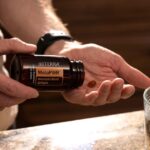


Can Supplements and Herbs Lower Cytokines?
Some supplements show anti-inflammatory effects in trials. Most have limitations — small studies, short duration, or inconsistent results.
- Omega-3 fish oil — the best-studied. Doses of 1-2 grams of combined EPA and DHA per day are used in many trials. Higher doses should be discussed with a doctor, especially if you take blood thinners.
- Curcumin — shows anti-inflammatory activity, but plain turmeric is poorly absorbed. Formulations designed for absorption exist, though evidence on clinical outcomes is mixed.
- Vitamin D — deficiency is linked to higher inflammatory markers. Correcting a deficiency may help. Taking extra when levels are already normal has not consistently lowered cytokines.
- Probiotics — some strains show modest effects on inflammatory markers. Results vary by strain and dose. No single strain is established as reliably anti-inflammatory.
Be cautious with any supplement marketed as a “cytokine storm” remedy or immune “reset.” No supplement has been shown to prevent or treat cytokine storm, which is a medical emergency requiring hospital care.
What Raises Inflammatory Cytokines?
Knowing what pushes inflammation up helps you avoid it.
- Chronic sleep deprivation — elevates IL-6 and TNF-alpha
- Smoking — one of the strongest drivers of systemic inflammation
- Excess alcohol — heavy drinking raises inflammatory markers and gut permeability
- Visceral fat — secretes cytokines directly
- Untreated chronic stress or depression — linked to elevated CRP and IL-6
- Sedentary behavior — independent of exercise, prolonged sitting is associated with higher inflammatory markers
- Poor gum health — periodontal disease is linked to elevated systemic inflammation
Some of these are obvious. One that gets overlooked: gum disease. Chronic infection in the mouth keeps the immune system activated. Treating it may lower systemic inflammatory markers.
When Should You See a Doctor About Inflammation?
Lifestyle changes are appropriate for general wellness. They are not a substitute for medical care when something is wrong.
See a doctor if you have:
- Persistent fatigue, fever, or unexplained weight loss
- Joint pain, swelling, or stiffness lasting more than a few weeks
- Recurring infections
- Symptoms that suggest an autoimmune condition — rashes, dry eyes and mouth, digestive problems
Your doctor can order tests like hs-CRP, ESR, or specific cytokine panels if warranted. These tests help identify whether inflammation is present and guide further evaluation. They do not tell you which lifestyle change to make.
If you have a diagnosed inflammatory condition — rheumatoid arthritis, lupus, inflammatory bowel disease — work with your rheumatologist or specialist. Natural approaches can support treatment but do not replace it.
How Long Does It Take to Lower Cytokines Naturally?
Some changes show up in days. Others take months. The timeline depends on the habit and the marker.
- Sleep — inflammatory markers can shift within a few nights of improved sleep.
- Exercise — each session produces a temporary anti-inflammatory effect. Baseline changes take weeks of consistent activity.
- Diet — measurable changes in CRP and IL-6 typically appear after 8-12 weeks of a consistent dietary pattern.
- Weight loss — cytokine reduction follows fat loss, often becoming measurable after 5-10% of body weight is lost.
These timelines are general. Individual responses vary based on genetics, baseline health, and how many changes you make at once.
One clarification worth making: lowering cytokines is not the goal in itself. The goal is reducing the chronic inflammation that drives disease risk. Cytokines are a marker, not the disease. Chasing a number on a lab test misses the point. The behaviors that lower cytokines — sleep, movement, real food, healthy weight, stress management — improve health whether or not you ever measure your IL-6.
Frequently Asked Questions
What is the fastest way to reduce cytokines naturally?
Improving sleep has the quickest measurable effect on inflammatory markers, often within a few nights. Exercise also produces a temporary anti-inflammatory response after each session.
Do anti-inflammatory diets really work?
Overall eating patterns like the Mediterranean diet are linked to lower CRP and IL-6 in multiple studies. No single food or supplement reliably lowers cytokines on its own.
Can stress reduction lower inflammatory markers?
Chronic stress is linked to higher IL-6 and CRP, and some studies show that stress-reduction practices are associated with lower markers. The effect is modest compared to sleep, diet, and weight.
Are cytokine supplements safe?
No supplement has been shown to prevent or treat cytokine storm, which is a medical emergency. Some supplements like omega-3s show anti-inflammatory effects, but check with your doctor before starting any, especially if you take medications.
