
Cellulite on the legs is the dimpled, lumpy skin that forms when fat pushes against connective tissue beneath the skin. You cannot completely eliminate it, but you can visibly reduce its appearance with a consistent routine that combines strength training, targeted lifestyle changes, and skin care that actually has evidence behind it. The most effective steps are building leg muscle, reducing overall body fat if you carry excess, improving circulation, and using proven topical ingredients rather than expensive gadgets that overpromise.
What Causes Cellulite On Legs?
Cellulite forms when fat cells enlarge and press upward against the skin while fibrous bands called septae pull downward. This creates the classic mattress-like dimpling.
Hormones play a significant role, especially estrogen, which influences fat storage and connective tissue structure. Genetics determine how your connective tissue is arranged, which is why cellulite runs in families.
Age also matters. Skin naturally thins and loses elasticity over time, making the fat beneath more visible. This is a normal biological process, not a sign of poor health or lack of effort.
Blood flow and lymphatic drainage affect how fluid accumulates in the tissue. Poor circulation can make cellulite look more pronounced because excess fluid increases pressure in the area.
Does Exercise Really Reduce Cellulite On Legs?
Exercise cannot remove cellulite completely, but it is the most reliable way to make it less visible. Strength training builds the muscle underneath, which smooths the surface by filling out the area from below.
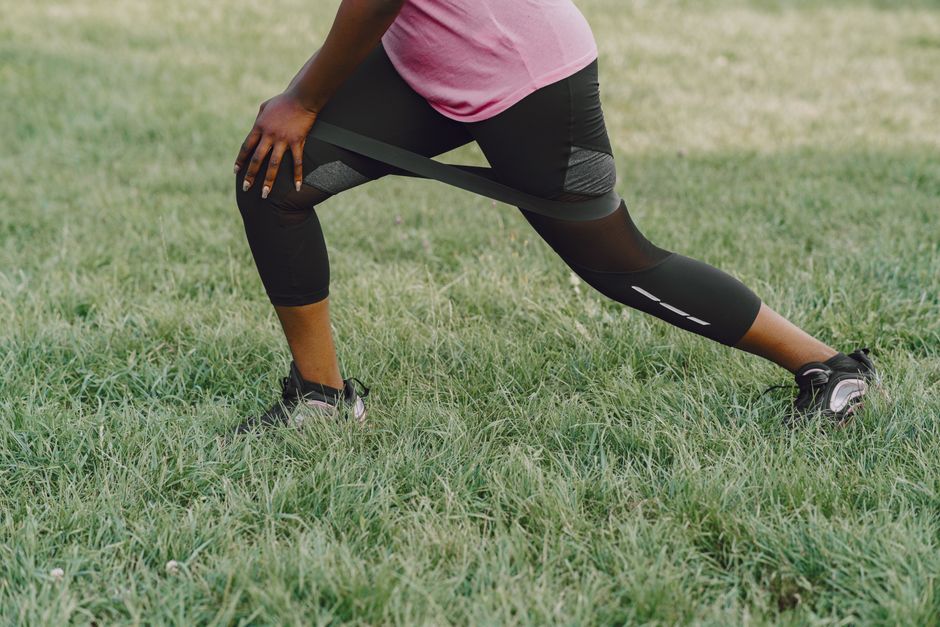
Target the major leg muscles directly. Squats, lunges, step-ups, and leg presses all work the glutes, quadriceps, and hamstrings. These are the muscles that matter most for leg appearance.
Compound movements are more effective than isolation exercises because they recruit more muscle fibers and burn more calories. A squat works more tissue than a leg extension machine.
Progressive overload is essential. You must gradually increase weight or repetitions over time. Doing the same light routine for months will not change the muscle underneath your skin.
Cardiovascular exercise helps by reducing overall body fat. When body fat decreases, fat cells shrink and put less pressure on the skin. This makes existing dimples less pronounced.
The evidence does not support spot reduction. Doing endless inner-thigh exercises will not selectively remove fat from that area. Fat loss happens across the whole body based on genetics and calorie balance.
How Does Diet Affect Cellulite?
Diet influences cellulite primarily through body fat percentage and fluid retention. No specific food eliminates cellulite, despite what marketing claims suggest.
Maintaining a moderate calorie intake helps prevent fat cells from expanding. If you are overweight, losing weight through a sustainable calorie deficit will typically reduce cellulite visibility.
Rapid weight loss can make cellulite look worse temporarily. When you lose fat quickly, skin may not tighten at the same pace, which can increase the dimpled appearance until skin adapts.
Hydration matters for skin quality. Dehydrated skin looks thinner and less plump, which makes underlying fat more visible. Drinking enough water supports skin elasticity, though it does not directly treat cellulite.
High-sodium diets can increase fluid retention. Excess fluid in the legs makes the skin feel tighter and can exaggerate the appearance of cellulite. Reducing processed foods naturally lowers sodium intake.
Some research suggests that collagen peptides may improve skin elasticity, but the evidence is not strong enough to recommend them as a cellulite treatment. They are not harmful, but they are not a proven solution.




What Topical Treatments Have Evidence?
Most cellulite creams do not work. The active ingredients in many products cannot penetrate deeply enough to reach the connective tissue where cellulite forms.
Caffeine is one of the few topical ingredients with some supporting evidence. It temporarily dehydrates fat cells and improves blood flow, which can reduce the appearance of cellulite for a few hours. This is a cosmetic effect, not a permanent change.
Retinol creams may help over several months by thickening the skin. Thicker skin hides the fat beneath more effectively. Retinol requires consistent daily use and can cause irritation, so start with a lower concentration.
Products containing aminophylline were popular years ago, but clinical trials failed to confirm meaningful results. The evidence does not support their use.
Massage-based tools like dry brushing or suction cups can temporarily improve circulation and reduce fluid retention. The effect lasts hours to days at most. They do not change the structure of connective tissue.
No topical cream, serum, or oil has been shown to permanently remove cellulite. If a product promises dramatic permanent results, treat that claim with skepticism.
Do Medical Treatments Work For Cellulite?
Several medical procedures have evidence for reducing cellulite, but they are expensive and results vary. None are permanent.
Laser and radiofrequency treatments heat the tissue beneath the skin. This can stimulate collagen production and temporarily tighten skin. Some clinical studies show visible improvement lasting several months to a year.
Acoustic wave therapy uses sound waves to break up fibrous bands and improve circulation. Evidence shows modest improvement in some people, but results depend heavily on the individual and the device used.
Subcision is a procedure where a needle cuts the fibrous bands pulling skin down. This releases the tension and allows the skin to smooth out. It is one of the few treatments that directly targets the structural cause of cellulite.
Injectable treatments are available, but long-term safety data is still limited. Some clinicians recommend these procedures, but they are not considered first-line treatments.
Insurance does not cover cellulite treatments because cellulite is considered a cosmetic concern, not a medical condition. Each session can cost hundreds of dollars, and multiple sessions are typically needed.
Before considering any medical procedure, discuss the evidence and costs with a board-certified dermatologist. Ask specifically about expected results, number of sessions needed, and potential side effects.
How To Reduce Cellulite On Legs: A Step By Step Plan
Follow this routine consistently for at least three months before judging results. Cellulite changes slowly because it involves connective tissue and fat, not just skin surface.
Step 1: Strength train your legs three times per week. Include squats, lunges, and hip hinges. Use enough weight that the last two repetitions feel challenging.
Step 2: Add cardiovascular exercise most days of the week. Brisk walking, cycling, or swimming for 30 minutes supports fat loss and circulation.
Step 3: Eat in a moderate calorie range that supports your activity level. Prioritize protein, vegetables, and whole foods. Reduce heavily processed foods that are high in sodium and refined sugar.
Step 4: Drink water consistently throughout the day. Aim for pale yellow urine as a general hydration guide rather than counting exact ounces.
Step 5: Apply a caffeine-based cream to affected areas if you want a temporary smoothing effect before events. Use it daily for best results, knowing the effect lasts only hours.
Step 6: Consider a retinol cream for long-term skin thickening. Apply at night and use sunscreen during the day because retinol increases sun sensitivity.
Step 7: Be consistent. Skipping weeks at a time resets your progress. Cellulite management is an ongoing routine, not a one-time fix.
What Does Not Work For Cellulite?
Many popular products and practices have no evidence behind them. Knowing what does not work saves you money and frustration.
Firming creams that claim to eliminate cellulite within weeks are not supported by research. The skin cannot absorb most active ingredients deeply enough to change connective tissue structure.
Dry brushing alone does not reduce cellulite. It exfoliates skin and temporarily stimulates circulation, but it cannot change the fat or fibrous bands beneath.
Waist trainers and compression garments temporarily squeeze tissue but do not create lasting change. Once removed, the skin returns to its original state.
Detox teas and supplements marketed for cellulite have no clinical evidence. The body does not need detoxification products, and the temporary weight loss they cause is water loss, not fat loss.
Ice baths and cold therapy have no proven effect on cellulite. Some marketers claim cold exposure tightens skin, but no clinical studies confirm this.
How Long Before You See Results?
Expect a timeline of two to four months for noticeable improvement with consistent exercise and lifestyle changes.
Muscle building takes time. Visible changes in leg muscle typically appear after eight to twelve weeks of progressive strength training. Skin changes from retinol take at least twelve weeks.
Fat loss follows a similar timeline. A sustainable rate of fat loss is about one to two pounds per week, and cellulite visibility changes as body composition shifts.
Results vary widely between individuals. Age, genetics, skin elasticity, and starting body composition all influence how quickly cellulite responds to treatment.
Set realistic expectations. Most people see a 20 to 30 percent improvement in cellulite appearance with consistent effort. Complete elimination is not a realistic goal.
Frequently Asked Questions
Can cellulite on legs go away completely?
No, cellulite cannot be completely eliminated because it is a normal structural feature of skin and connective tissue. It can be visibly reduced with consistent strength training, fat loss, and skin care.
How many times a week should I exercise to reduce cellulite?
Strength train your legs three times per week and add cardiovascular exercise on most other days. This combination builds muscle while supporting overall fat loss.
Do cellulite creams actually work?
Most do not, but caffeine-based creams can temporarily smooth skin for a few hours. Retinol creams may thicken skin over several months, which can make cellulite less visible.
Is cellulite a sign of being unhealthy?
No, cellulite is not a health condition and does not indicate poor health. Even very fit individuals have cellulite because genetics, hormones, and skin structure play major roles.
