
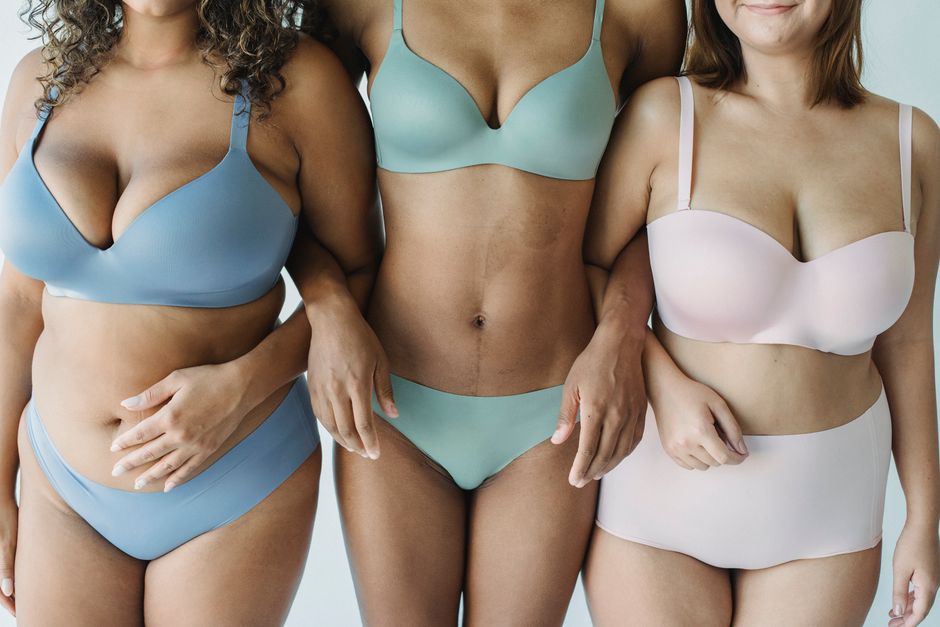
Breast size is mostly determined by genetics, body fat, and glandular tissue, and no diet or exercise can target breast tissue directly. What diet and exercise can do is lower overall body fat, which may reduce breast size in people whose breasts contain a meaningful amount of fat. Exercise can also strengthen the muscles under the breasts and improve posture, which changes how the chest looks but does not shrink the breasts themselves.
There is no food, workout, or daily habit that will selectively burn fat from your chest. Fat loss happens across the body, and where you lose it first is largely genetic. That is the honest starting point. From there, the realistic goal is a modest change over months, not weeks.
How To Reduce Breast Size Naturally Diet Exercise?
Diet and exercise work by lowering total body fat, not by targeting the breasts. Breasts are made of glandular tissue, fibrous connective tissue, and fat. The fat portion can shrink when you lose weight. The glandular portion generally does not respond to diet or exercise.
How much a person’s breast size changes with weight loss depends on how much of their breast volume is fat. Some people have breasts that are mostly glandular tissue. Others have a higher fat proportion. This varies widely between individuals, and there is no reliable way to predict your own response in advance.
Exercise cannot reduce breast tissue directly. Chest exercises build the pectoral muscles underneath the breasts. This can change the shape and firmness of the chest area, but it does not reduce breast volume. Anyone who tells you a specific workout “burns breast fat” is describing something the body does not do.
Does Losing Weight Actually Reduce Breast Size?
Weight loss often reduces breast size, but the amount varies a great deal from person to person. Research on weight loss and breast volume has generally found that women who lose weight tend to see some reduction in breast size, but the range of change is wide.
One consistent finding is that the change is usually modest relative to the effort involved. A person who loses a meaningful amount of weight may see a noticeable change in how clothing fits, but the change in actual breast volume is often smaller than expected.
Weight loss also affects the skin and supportive tissue of the breasts. Some people notice looser skin or a change in breast shape after significant weight loss. This is a normal consequence of volume loss and reduced skin elasticity, and it varies with age, genetics, and how quickly the weight came off.
For people whose breast size is driven mainly by glandular tissue, weight loss may produce little visible change. This is not a failure of effort. It reflects the underlying tissue composition.
What Does Diet Actually Do?
Diet affects breast size only through its effect on body fat. There is no food that reduces breast tissue, and no eating pattern that targets the chest. The mechanism is simple: a sustained calorie deficit leads to fat loss, and fat loss can reduce breast fat along with fat elsewhere.
No specific food, supplement, or herbal product has been shown in clinical trials to reduce breast size. Products marketed for this purpose are not supported by evidence. Some contain ingredients with unknown safety profiles, and the marketing claims are not backed by human trials.
A few practical points matter more than any specific food:
- Total calories drive fat loss. The composition of the diet matters for health and satiety, but fat loss depends on eating fewer calories than you burn over time.
- Protein and fiber support adherence. Diets higher in protein and fiber tend to be more satisfying and easier to sustain, which matters because fat loss requires consistency over months.
- Very low-calorie diets are not a shortcut. Aggressive restriction tends to produce faster initial loss but is harder to maintain and carries a higher risk of muscle loss and rebound weight gain.
- Alcohol adds calories without satiety. It contributes to total intake without helping you feel full.
The rate of fat loss that is generally considered sustainable is gradual. Most clinical guidance points to losing weight slowly and steadily rather than quickly, because rapid loss is harder to maintain and increases the risk of losing muscle along with fat.
Can Exercise Target Breast Fat?
Exercise cannot spot-reduce fat from the breasts or anywhere else. The body mobilizes fat from stores across the body in a pattern largely set by genetics, hormones, and individual physiology. Doing chest exercises does not cause fat loss in the chest specifically.
What exercise does contribute is an increase in total energy expenditure, which supports a calorie deficit when combined with diet. Aerobic exercise and resistance training both help. Resistance training has the added benefit of preserving muscle mass during weight loss, which matters because muscle loss can slow metabolism over time.
Chest exercises such as push-ups, chest presses, and flyes strengthen the pectoral muscles. Stronger pectoral muscles can improve posture and give the chest a firmer appearance. They do not reduce breast size. This is one of the most common misunderstandings about chest training.
High-impact exercise can be uncomfortable for people with larger breasts. A well-fitted supportive sports bra is not a cosmetic detail here. It affects comfort and whether exercise is sustainable, which matters more for long-term fat loss than any single workout.
What About Hormones and Genetics?
Hormones and genetics shape breast size far more than diet or exercise in most people. Estrogen and progesterone influence breast tissue development and changes across the menstrual cycle, pregnancy, and menopause. These effects are not something diet or exercise can override.
Breast size and shape are highly heritable. If your mother and sisters have larger breasts, your own breast size is likely influenced by the same genetic factors. This does not mean diet and exercise have no effect, but it does mean the ceiling on what they can achieve is set partly by factors outside your control.
Hormonal contraceptives can cause breast size changes in some people, and pregnancy commonly increases breast size. These changes are hormonal, not dietary, and they typically do not respond to lifestyle changes in the way fat-related changes do.
When Is a Change in Breast Size a Medical Concern?
Breast size changes that happen without weight change, or that come with other symptoms, deserve medical attention. Unexplained changes in one breast, new lumps, skin changes, nipple discharge, or pain are reasons to see a clinician. These symptoms are usually not serious, but they need proper evaluation.
A rapid increase in breast size over a short period, especially if it is painful or affects one side more than the other, is also worth discussing with a doctor. Some conditions cause breast enlargement, and a clinician can assess whether further testing is needed.
This is not a reason to panic. Most breast changes are benign. The point is that a clinician can distinguish between changes that need no action and changes that warrant a closer look.
What Are the Realistic Expectations?
Realistic expectations matter more than any specific plan. Diet and exercise can support gradual fat loss, and fat loss may modestly reduce breast size in people whose breasts contain a significant fat component. The change is usually gradual, often noticeable over months rather than weeks, and varies widely between individuals.
For some people, the visible change will be small. For others, it may be more noticeable. Neither outcome reflects effort or discipline. It reflects biology.
If breast size is causing significant physical discomfort, such as back or shoulder pain, or is affecting quality of life, that is a conversation worth having with a doctor. There are medical and surgical options for breast reduction, and a clinician can discuss whether they are appropriate. Diet and exercise are one part of the picture, not the whole answer.
Frequently Asked Questions
Can you reduce breast size naturally with diet and exercise?
Diet and exercise can reduce overall body fat, which may modestly reduce breast size in people whose breasts contain a significant amount of fat. They cannot target breast tissue directly, and results vary widely based on genetics and tissue composition.
Do chest exercises reduce breast fat?
No, chest exercises build the pectoral muscles underneath the breasts but do not reduce breast fat or breast tissue. Spot reduction of fat from a specific area is not supported by evidence.
How long does it take to see a change in breast size from weight loss?
Changes are typically gradual and often noticeable over months rather than weeks, depending on how much weight is lost and how much of the breast is fat. There is no reliable timeline that applies to everyone.
Are there foods or supplements that reduce breast size?
No food or supplement has been shown in clinical trials to reduce breast size. Products marketed for this purpose are not supported by evidence, and some contain ingredients with unknown safety profiles.
