
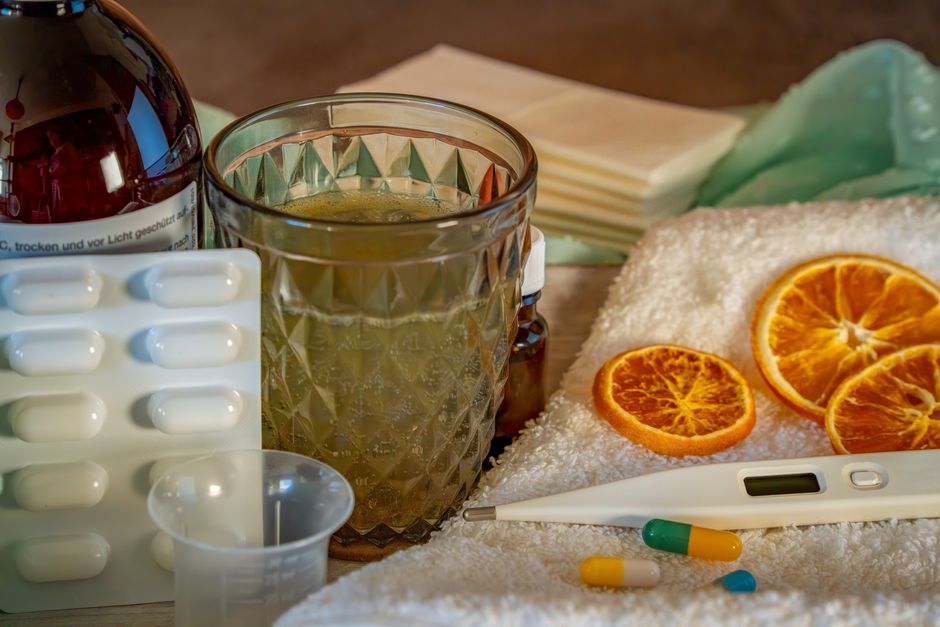
When your body gets too hot, you need to cool down fast. The safest and fastest ways are moving to a cool place, applying cold water to your skin, and drinking cool water. Avoid ice-cold showers if you have been exercising hard — they can cause shock and actually trap heat. Instead, use cool (not ice) water on your wrists, neck, and forehead. Stay out of direct sun and remove extra clothing.
What makes your body temperature rise?
Your body generates heat as a normal part of metabolism. When you exercise, your muscles produce large amounts of heat. Your body gets rid of that heat mainly through sweating and blood flow to the skin. Hot and humid weather makes this process harder because sweat cannot evaporate quickly. Fever from illness also raises your body temperature — your hypothalamus resets the internal thermostat higher to fight infection. Some medications, like certain blood pressure drugs or antidepressants, can interfere with your body’s cooling system. In all these cases, your core temperature rises above the normal range of roughly 97°F to 99°F (36.1°C to 37.2°C). Once it passes 100.4°F (38°C), you have a fever. When it climbs above 104°F (40°C), that is a medical emergency.
How to reduce body heat quickly and safely
Cool water is the most reliable tool. Submerging your forearms and hands in cool (not freezing) water lowers your core temperature faster than drinking cold water alone. Place a cool, damp cloth on your neck, groin, and armpits — these areas have large blood vessels close to the skin. A fan aimed at your damp skin speeds up evaporative cooling. If you are outside, move into shade or an air-conditioned space as soon as possible. Remove any tight or heavy clothing. Drink water slowly — gulping too fast can upset your stomach. If you are sweating heavily, an electrolyte drink can help replace lost salt, but plain water works for most short-term cooling needs. Avoid alcohol and caffeinated drinks because they dehydrate you.
Is rapid cooling safe?
For most people, rapid cooling with cool water is safe. But there are limits. If you have been exercising hard in the heat, your skin vessels are dilated and your body is already stressed. Plunging into ice water can trigger a dangerous shock response — your blood vessels constrict, blood pressure spikes, and your heart has to work harder. Shivering is another risk. Shivering generates heat, which fights the cooling you are trying to achieve. The goal is to cool without causing your body to fight back. That means using cool water (60°F to 70°F / 15°C to 21°C), not ice water. If you have heart disease, high blood pressure, or are older than 65, be extra careful with rapid cooling. Stop cooling if you start shivering uncontrollably or feel dizzy.



What about natural remedies for cooling?
Some people try mint, aloe vera, or cucumber to cool down. These can feel pleasant because menthol in mint triggers cold-sensitive receptors in your skin. That sensation does not actually lower your core temperature — it only feels cool. Aloe vera gel is mostly water, so applying it may help a little through evaporation, but plain water works just as well. No large human trials have confirmed that any herbal remedy reduces core body temperature faster than simple cool water and rest. If you use a natural product, treat it as a comfort measure, not a primary treatment for heat illness. For dangerous overheating, cool water and medical attention are the only reliable options.
How to prevent heat buildup before it becomes dangerous
Prevention is better than treatment. On hot days, wear light-colored, loose-fitting clothing made of breathable fabrics like cotton or moisture-wicking synthetics. Stay hydrated throughout the day — do not wait until you feel thirsty. Schedule outdoor activities for early morning or evening when temperatures are lower. Take regular breaks in the shade or indoors. If you exercise, gradually acclimate to the heat over one to two weeks. This helps your body start sweating earlier and at a lower core temperature. Avoid heavy meals before activity because digestion generates heat. Use sunscreen — sunburn damages your skin’s ability to sweat properly.
When is heat a medical emergency?
Heat stroke is life-threatening. Call 911 immediately if someone has a body temperature of 104°F (40°C) or higher accompanied by confusion, altered speech, unconsciousness, or skin that is hot and dry (no sweating). While waiting for help, move the person to a cool place, remove outer clothing, and apply cool water or ice packs to the neck, armpits, and groin. Do not give fluids if they are confused or unconscious — they could choke. Heat exhaustion is less severe but still serious. Signs include heavy sweating, weakness, cold clammy skin, nausea, and a fast weak pulse. If you notice these, move to a cool spot, drink cool water, and rest. If symptoms do not improve within 30 minutes or if they worsen, get medical help.
Does cooling down too fast cause rebound fever?
Rebound fever is not a recognized concern when cooling someone with a normal body temperature. But if the overheating is due to an infection, the fever may return because the underlying cause is still there. Rapid cooling with cool water does not cause a fever to bounce back higher — it simply lowers temperature temporarily. If you have a fever from illness, medication like acetaminophen or ibuprofen addresses the root cause in the hypothalamus. Cooling with water is a complement, not a replacement. If you are using cold water to bring down a fever, stop when the person is comfortable — you do not need to bring the temperature back to normal. Aim to reduce discomfort, not to force the number down.
Does age affect how fast you should cool down?
Yes. Infants and young children have a larger surface area relative to their body weight, so they lose heat faster. Cool them gently — never use ice water or alcohol rubs, which can cause dangerously rapid cooling and even poisoning from skin absorption. Older adults often have reduced sweat response and may be on medications that affect heat regulation. They are also more vulnerable to hypothermia from overzealous cooling. For anyone over 65, use cool tap water rather than cold water, monitor for shivering, and stop cooling if they feel chilled. The same principle applies: cool gradually and safely. If in doubt, err on the side of gentler cooling.
Frequently Asked Questions
What is the fastest way to reduce body heat?
The fastest safe method is to submerge your forearms and hands in cool (not ice) water while sitting in front of a fan. This combines conduction and evaporative cooling without causing shock.
Can drinking cold water lower your body temperature?
Drinking cold water helps, but it is slower than skin cooling. Your body warms the water before it reaches your core, so you get more benefit from small sips over time than from one large gulp.
Is it safe to take a cold shower when overheated?
A cold shower can be safe if you are mildly overheated, but avoid very cold water after intense exercise. Start with lukewarm water and gradually lower the temperature to prevent shock and shivering.
Does putting ice on your neck help reduce body heat?
Yes, ice on the neck cools the carotid arteries close to the skin, which helps lower core temperature. Wrap ice in a cloth to avoid skin damage, and limit application to 10–15 minutes.
