
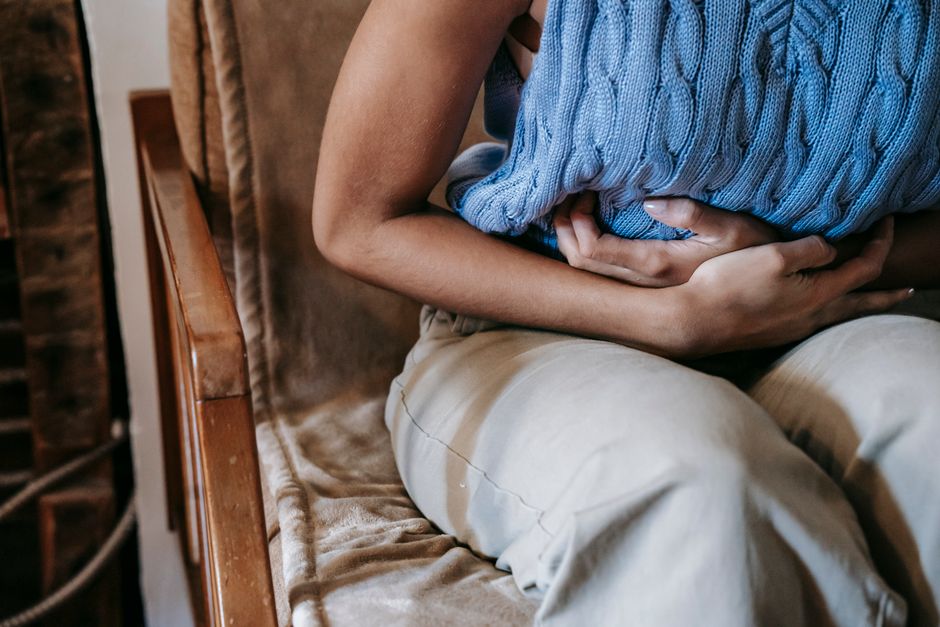
Bloating feels urgent, but most of it is gas and fluid trapped in a stretched gut — and the fastest relief usually comes from movement, releasing trapped gas, and removing the trigger still sitting in your digestive tract. A short walk, lying on your left side, and a warm compress can ease discomfort within minutes for many people. If bloating keeps returning, the fix is less about quick tricks and more about finding the pattern behind it.
What actually causes bloating and gas?
Gas comes from two places: air you swallow and gas made by bacteria in your colon. Most people produce between roughly half a liter and two liters of intestinal gas a day, and pass it 14 to 23 times daily. That range is normal.
Swallowed air — from eating fast, drinking through straws, chewing gum, or carbonated drinks — travels down and has to come back up or out the other end. Bacterial gas forms when undigested carbohydrates reach the colon and ferment. Beans, onions, and some grains are common sources because humans lack the enzymes to fully break down certain sugars in them.
The feeling of bloating is not always tied to extra gas volume. Research using imaging has shown that people who feel bloated often have normal amounts of gas but a gut that is more sensitive to normal stretching, or muscles that fail to move gas along efficiently. That distinction matters: if your discomfort comes from sensitivity rather than excess gas, adding more gas-busting products may not help.
How to reduce bloating and gas fast: simple steps that help
The quickest relief targets gas that is already trapped. None of these steps is a cure, but they are low-risk and supported by basic digestive physiology.
- Walk for 10 to 15 minutes. Gentle movement stimulates peristalsis — the muscle contractions that push contents through the gut — and helps move trapped gas along. It is one of the most reliable quick steps.
- Try lying on your left side. In this position, the colon’s natural curve allows gas to travel toward the rectum more easily. Many people find it helps within minutes.
- Apply a warm compress to your abdomen. Heat relaxes tense abdominal muscles and can ease cramping discomfort. It does not remove gas, but it can reduce the pain of it.
- Massage your abdomen gently. Slow clockwise circles following the path of the colon may help move gas. Evidence is limited, but the risk is essentially zero.
- Stop eating and drinking the thing that triggered it. If bloating started after a large meal, a fizzy drink, or a bowl of beans, giving your gut a break and sipping plain water can help.
- Breathe slowly and avoid gulping air. Anxious, rapid breathing and eating quickly both increase swallowed air.
Simethicone, an over-the-counter anti-gas product, is widely used. The evidence for it is mixed — some trials show modest benefit and others show little difference from placebo. It is not harmful for most adults, but it is not a guaranteed fix.
Which foods and habits make bloating worse?
Common triggers fall into a few categories. Carbonated drinks add gas directly. Sugar alcohols such as sorbitol and mannitol, found in sugar-free gum and some diet products, are poorly absorbed and ferment in the colon. High-sodium meals cause fluid retention, which produces a different kind of puffiness — fluid, not gas.
Eating very fast, chewing gum, and drinking through straws all increase swallowed air. So does talking while eating. These are unglamorous fixes but they work.
Some people bloat specifically after dairy because they produce less lactase, the enzyme that digests lactose. Others react to fermentable carbohydrates known as FODMAPs — a group that includes beans, onions, garlic, wheat, and some fruits. Not everyone reacts to these, and cutting them all out without guidance can make your diet worse, not better.
When is bloating a sign of something more?
Occasional bloating after a big meal is normal. Bloating that is persistent, painful, or comes with other symptoms deserves medical attention.
See a doctor if you have bloating along with unexplained weight loss, blood in your stool, vomiting, fever, or pain that is severe or worsening. Persistent bloating that does not respond to dietary changes should also be evaluated.
Conditions linked to chronic bloating include irritable bowel syndrome, small intestinal bacterial overgrowth, lactose intolerance, celiac disease, and in some cases gynecological conditions. These require proper diagnosis — not guesswork from an internet list. Celiac disease in particular can cause bloating that looks like simple gas sensitivity, and it is underdiagnosed.
One clarification worth knowing: bloating and abdominal distension are not the same thing. Bloating is the subjective feeling of fullness or pressure. Distension is a measurable increase in abdominal girth. Some people have one without the other, and doctors assess them differently.
Do probiotics, enzymes, or supplements help?
The evidence is uneven. Some studies suggest certain probiotic strains may reduce bloating in people with irritable bowel syndrome, but results vary by strain, dose, and individual. No single probiotic is established as a general fix for bloating.
Beano and similar products containing the enzyme alpha-galactosidase can help with gas from beans and some vegetables if taken with the meal. Their benefit is specific to those foods, not a broad solution.
Peppermint oil capsules have some evidence for reducing IBS-related bloating and cramping. They can cause heartburn in some people. If you have reflux, mention it to a clinician before trying them.
No clinical evidence currently confirms that detox teas, charcoal capsules marketed for bloating, or “gut reset” programs reliably reduce gas. Activated charcoal in particular can interfere with medication absorption.
How can you prevent bloating from coming back?
Prevention is less dramatic than treatment and more effective. Eat more slowly and chew thoroughly. Limit carbonated drinks and sugar alcohols. Stay physically active — regular movement keeps the gut moving. Drink enough water, since dehydration can slow digestion.
If you suspect specific foods are triggers, keep a simple food and symptom diary for a few weeks. Patterns are easier to spot than single incidents. Do not eliminate multiple food groups at once; you will not know what helped.
For people with recurrent bloating tied to IBS, clinicians sometimes recommend a structured low-FODMAP trial with a dietitian, followed by reintroduction. This is not a permanent diet and should not be done unsupervised long term, because it can reduce fiber intake and affect the gut microbiome.
Stress matters more than most people expect. The gut and brain are connected through the vagus nerve and the enteric nervous system, and stress can change how the gut moves and how sensitive it feels. That does not mean bloating is “all in your head” — it means the nervous system is part of the digestive system.
Does exercise or posture really help?
Yes, modestly. Walking, yoga poses that gently compress and release the abdomen, and simple stretching can help move trapped gas. The effect is real but temporary.
Posture matters too. Slouching compresses the abdomen and can make bloating feel worse. Sitting upright after a meal rather than lying down flat helps digestion and reduces reflux.
Vigorous exercise right after a large meal is not helpful for most people and can cause discomfort. Gentle movement is the goal.
Frequently Asked Questions
How long does it take to reduce bloating fast?
Many people feel relief within 15 to 30 minutes of walking, changing position, or releasing trapped gas. If bloating persists for days or keeps returning, the cause is likely dietary or medical and needs a different approach.
What is the fastest way to get rid of gas?
Gentle walking and lying on your left side are the quickest low-risk steps for trapped gas. Simethicone may help some people, but the evidence for it is mixed.
Does drinking water help with bloating?
Water does not add gas, and staying hydrated supports normal digestion. Sipping plain water instead of carbonated drinks removes a direct source of swallowed gas.
When should bloating worry me?
Bloating with unexplained weight loss, blood in the stool, severe pain, vomiting, or fever should be checked by a doctor promptly. Persistent bloating that does not improve with dietary changes also warrants evaluation.
