
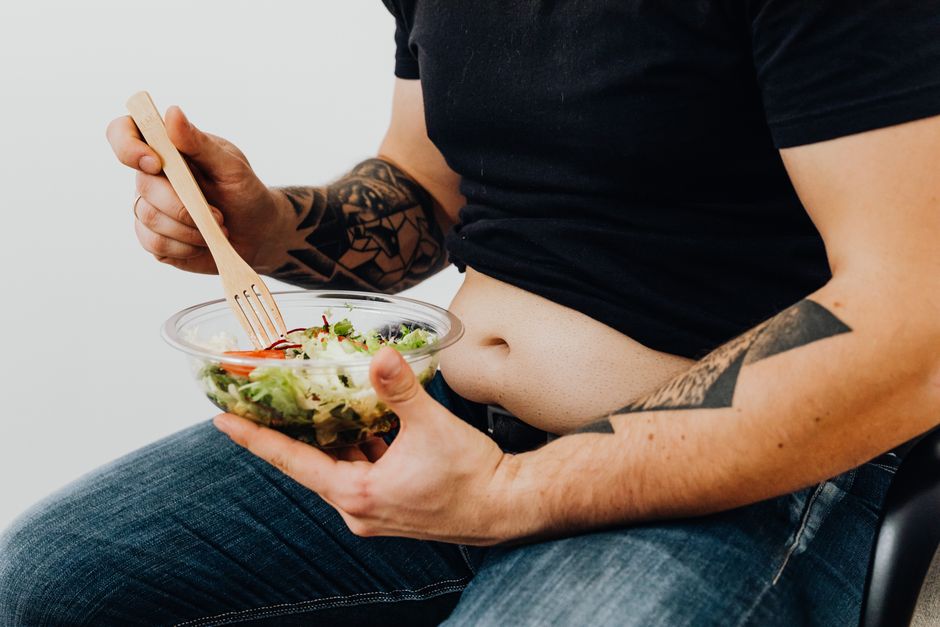
Belly fat is not just a cosmetic issue. It is the fat stored around your internal organs, and it behaves differently from fat under the skin. You can reduce it without dropping pounds on the scale by targeting the type of fat, improving how your body handles blood sugar, and building muscle. The scale may barely move while your waist shrinks.
That last point matters. Visceral fat — the fat packed around your liver, intestines, and other organs — responds to exercise, sleep, and diet quality in ways that subcutaneous fat (the kind you can pinch) does not. You can lose inches off your middle while your body weight stays roughly the same, because you are trading fat for muscle and changing where fat sits.
What Is Belly Fat and Why Does It Matter?
Belly fat is two different things. Subcutaneous fat sits just under the skin. Visceral fat lies deeper, wrapped around your organs. Visceral fat is the one tied to health problems.
Visceral fat is metabolically active. It releases inflammatory signals and fatty acids directly into the liver through the portal vein. Research consistently links a larger waistline to higher risk of type 2 diabetes, heart disease, and fatty liver disease — often independent of body weight.
This is why two people at the same weight can have very different health risks. A person with a normal body mass index but a large waist can carry the same metabolic risk as someone classified as obese. Waist circumference is a useful measure for this reason. For most adults, a waist above 40 inches in men and 35 inches in women is considered elevated risk by established clinical guidelines, though thresholds vary by population and ethnicity.
Can You Really Reduce Belly Fat Without Losing Weight?
Yes. Body weight is a single number that blends fat, muscle, water, and bone. Change the mix and the number can stay flat while your waist gets smaller.
Two things drive this. First, resistance training builds muscle while fat drops. Muscle is denser than fat, so you can look leaner and measure smaller without the scale moving. Second, visceral fat responds to aerobic exercise and diet quality even when total calories stay stable.
Some research suggests visceral fat is more responsive to exercise than subcutaneous fat. Studies using imaging to measure fat deposits have found that regular aerobic activity reduces visceral fat even in people whose total body weight does not change much. The evidence is strongest for exercise as a lever here, less so for any single food or supplement.
What you cannot do is spot-reduce. No exercise burns fat from your belly specifically. Crunches strengthen abdominal muscles but do not remove the fat covering them. This is one of the most persistent myths in fitness, and it has been tested repeatedly.
What Kinds of Exercise Help Most?
Aerobic exercise and strength training both help, and doing both is better than either alone. The evidence for exercise reducing visceral fat is solid.
Aerobic activity — brisk walking, cycling, swimming, jogging — appears to reduce visceral fat across many studies. The general direction from clinical research is that moderate-intensity activity done regularly matters more than any single session. Official physical activity guidelines for adults generally recommend at least 150 minutes of moderate-intensity aerobic activity per week, plus muscle-strengthening activities on two or more days per week.
Strength training preserves and builds muscle. That matters because muscle loss during any fat-loss effort can slow your resting metabolism. Keeping muscle while fat drops is exactly how you can shrink your waist without losing weight.
High-intensity interval training is popular and does burn calories efficiently. Whether it beats steady moderate exercise for visceral fat specifically is less clear. Some studies suggest it may be comparable or slightly better, but the evidence is not settled. The best exercise is the one you will keep doing.





How Does Diet Quality Change Belly Fat?
Diet quality affects where fat is stored, not just how much. The strongest evidence points to reducing refined carbohydrates and added sugars, and eating more protein, fiber, and whole foods.
Frequent spikes in blood sugar and insulin encourage fat storage, particularly around the middle. Diets high in refined carbs and sugary drinks are consistently linked to more visceral fat. Cutting liquid sugar — soda, sweetened coffee drinks, juice — is one of the most direct changes you can make.
Protein and fiber help in practical ways. Both increase fullness, which makes it easier to eat less without feeling deprived. Fiber from vegetables, legumes, and whole grains also feeds gut bacteria and slows digestion. Some evidence links higher fiber intake to lower visceral fat, though the research is not uniform.
There is no single food that melts belly fat. No clinical evidence currently confirms that any specific food, spice, or supplement targets visceral fat on its own. Claims about apple cider vinegar, green tea extract, or “fat-burning” foods are marketing, not established science.
Does Sleep and Stress Affect Belly Fat?
Yes, and the effect is real. Short sleep and chronic stress both raise cortisol, a hormone that encourages fat storage, especially in the abdomen.
Studies have found that people who regularly sleep less than about six to seven hours tend to carry more visceral fat. The relationship shows up across large populations. Poor sleep also raises appetite hormones and makes high-calorie food more tempting, which compounds the problem.
Chronic stress works through the same cortisol pathway. It is not a matter of willpower. When stress is ongoing, the body prioritizes storing energy around the organs. Managing stress — through regular activity, adequate sleep, and whatever wind-down routines work for you — is a legitimate part of a belly fat strategy, not a soft add-on.
What About Alcohol and Smoking?
Alcohol contributes to belly fat in more than one way. It adds calories, and heavy drinking is linked to fat accumulation around the organs. The “beer belly” idea has some basis, though the effect comes from total alcohol calories and patterns of drinking rather than beer specifically.
Smoking is a separate story. Smokers often weigh less than non-smokers, but smoking is associated with more visceral fat relative to body weight. Quitting usually leads to some weight gain, yet the long-term health benefit of quitting far outweighs it. No one should smoke to control weight.
Why the Scale Can Mislead You
Weight measures everything at once. If you add two pounds of muscle and lose two pounds of fat in a month, the scale reads the same — but your waist, energy, and metabolic markers can all improve.
Track waist circumference, how clothes fit, and progress photos instead of relying on the scale alone. Measure your waist at the level of your belly button, relaxed, at the same time of day. A tape measure tells you more about visceral fat change than a bathroom scale does.
This is the practical core of reducing belly fat without losing weight. You are not chasing a number on the scale. You are changing body composition and fat distribution — and those can improve while your weight holds steady.
What Actually Works and What Does Not
Some approaches have solid support. Others are widely sold but thin on evidence. Here is the honest split.
| Approach | Evidence Level | Notes |
|---|---|---|
| Regular aerobic exercise | Strong | Reduces visceral fat even without weight loss |
| Strength training | Strong | Preserves muscle; supports body composition change |
| Cutting added sugar and refined carbs | Good | Linked to lower visceral fat in observational studies |
| Adequate sleep | Moderate | Short sleep linked to more abdominal fat |
| Stress management | Moderate | Works through cortisol pathway |
| Spot exercises (crunches) | No support | Do not target belly fat |
| Fat-burning supplements | No reliable support | No clinical evidence for targeted fat loss |
| Waist trainers, wraps | No support | Do not reduce fat |
If you have a large waist, other risk factors, or a family history of metabolic disease, talk with a clinician. Waist size and metabolic markers can be checked and tracked, and some people benefit from structured guidance.
Frequently Asked Questions
Can you lose belly fat without losing weight?
Yes. Building muscle while reducing fat can keep your weight steady while your waist shrinks. Visceral fat also responds to exercise even when total body weight does not change.
What is the fastest way to reduce belly fat?
There is no fast fix. Regular aerobic exercise, strength training, less added sugar, and adequate sleep are the best-supported steps, and they take weeks to months to show results.
Do crunches burn belly fat?
No. Crunches strengthen abdominal muscles but do not remove fat from your belly, because spot reduction is not possible.
Does walking reduce belly fat?
Regular brisk walking can help reduce visceral fat as part of an active routine. Consistency matters more than any single session.
