
Back pain is one of the most common reasons women in the US see a doctor, and most cases improve without surgery. The basics that help are simple: stay active, build strength in your core and hips, fix sleep and sitting posture, and use heat or over-the-counter pain relievers short term. See a clinician promptly if you have red-flag symptoms like numbness in the groin, loss of bladder control, or pain after a fall.
What makes back pain in women different is not fragility. It is anatomy, hormones, and life stages. Pregnancy shifts posture and loosens ligaments. Menopause affects bone density. Pelvic floor problems often travel with low back pain. Understanding those links makes the fixes more targeted.
Why Is Back Pain More Common in Women?
Women report back pain more often than men, and the reasons are partly mechanical and partly hormonal. The female pelvis is wider, which changes the angle of the hip joints and the way load travels up the spine. A wider pelvis means the hip muscles must work differently to stabilize the lower back during walking, lifting, and standing.
Hormones matter too. Estrogen supports bone density, and bone loss accelerates after menopause. That does not mean every woman develops spinal problems, but it does mean bone health deserves attention as you age.
Life stages add their own load. Pregnancy, caring for young children, and then caring for aging parents all involve repetitive lifting and carrying. Women also have higher rates of certain pain conditions, including fibromyalgia, which often involves back pain.
One link that gets overlooked: the pelvic floor. The muscles that support the bladder and uterus attach to the same bony structures as the deep abdominal and back muscles. When the pelvic floor is weak or too tense, the lower back often compensates. Research on pelvic floor dysfunction and low back pain shows they frequently occur together, though the exact cause-and-effect relationship is still being studied.
What Actually Helps Reduce Back Pain for Female?
For most cases of nonspecific low back pain, the strongest evidence supports staying active and doing targeted exercise. Bed rest beyond a day or two tends to make things worse, not better. This is one of the clearest findings in back pain research.
Here is what the evidence supports:
- Keep moving. Gentle walking, daily activity, and avoiding prolonged bed rest help most people recover faster. Movement keeps muscles from stiffening and supports circulation to the spine.
- Strengthen the core and hips. Exercises that target the deep abdominal muscles, glutes, and hip stabilizers reduce pain and prevent recurrence. Physical therapy is well supported for chronic low back pain.
- Use heat for short-term relief. Heat wraps and warm baths can ease muscle tension. The evidence for heat is modest but reasonable for temporary comfort.
- Consider over-the-counter pain relievers short term. NSAIDs like ibuprofen can reduce pain and inflammation. Use them as directed and check with a clinician if you have stomach, kidney, or heart concerns.
- Address sleep and posture. A supportive mattress and a chair that keeps your feet flat and your lower back supported reduce daily strain.
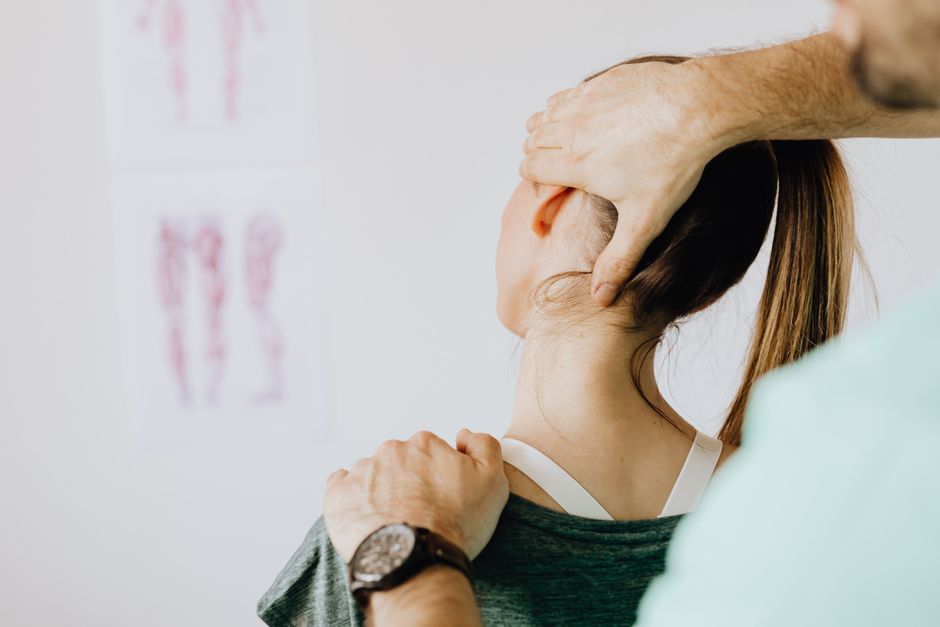
What does not have strong evidence: passive treatments alone, like massage or chiropractic adjustment without an active exercise component. These can provide temporary relief, but they do not build the strength that prevents pain from returning.
How Does Pregnancy Change Back Pain?
Pregnancy causes back pain in a large share of women, and the reasons are well understood. As the uterus grows, the center of gravity shifts forward. The lower back curves more to compensate. At the same time, the hormone relaxin loosens ligaments throughout the body, including those that stabilize the pelvis and spine.
The result is a spine that is carrying more load with less ligament support. Pain often peaks in the third trimester.
What helps during pregnancy:
- Sleep on your side with a pillow between your knees to keep the hips aligned.
- Wear supportive, low-heeled shoes.
- Ask about a pregnancy support belt, which some clinicians recommend for pelvic girdle pain.
- Do gentle prenatal exercise if your clinician approves it. Prenatal yoga and swimming are often well tolerated.
- Avoid lifting heavy objects and avoid standing for long stretches.
Do not start any new medication, supplement, or intense exercise program during pregnancy without checking with your clinician first. Guidance on what is safe during pregnancy changes, and your situation is specific.
What Role Do Hormones and Menopause Play?
After menopause, estrogen levels drop and bone loss speeds up. This raises the risk of osteoporosis, which can cause compression fractures in the spine. Those fractures can produce sudden back pain and loss of height.
Bone density screening is generally recommended for women starting around age 65, and earlier for women with risk factors. Ask your clinician whether you should be screened sooner. Risk factors include a family history of osteoporosis, smoking, low body weight, and long-term use of certain medications like corticosteroids.
Weight-bearing exercise and adequate calcium and vitamin D intake support bone health. The evidence for exercise is strong. The evidence for calcium and vitamin D supplements is more mixed, and current guidance generally favors getting nutrients from food where possible while supplementing only when intake is low or a deficiency is confirmed. Ask your clinician before starting supplements.
When Should You See a Doctor for Back Pain?
Most back pain improves within a few weeks without medical treatment. But some symptoms mean you should seek care promptly, not wait it out.
See a clinician right away if you have:
- Numbness or tingling in the groin or inner thighs
- Loss of bladder or bowel control
- Weakness in both legs
- Back pain after a significant fall or injury
- Fever along with back pain
- Unexplained weight loss with back pain
- Pain that is worse at night or at rest and does not ease with position changes
Those first three symptoms can signal a serious nerve problem called cauda equina syndrome, which is a medical emergency. Do not wait to see if it improves.
Also see a clinician if pain lasts more than a few weeks, keeps getting worse, or interferes with daily life. Persistent pain is worth investigating, and early physical therapy tends to work better than waiting.
Do Supplements Help Back Pain?
The evidence for most supplements marketed for back pain is weak. This is worth saying plainly because the marketing is loud and the science is thin.
Glucosamine and chondroitin are often sold for joint and back health. Large trials have produced mixed results, and most major clinical guidelines do not recommend them for routine use. Turmeric and omega-3 supplements have some early research behind them for general inflammation, but no large human trials have confirmed they reduce back pain specifically.
Vitamin D matters for bone health, and a confirmed deficiency should be treated. But taking vitamin D when your levels are normal has not been shown to reduce back pain.
If you are considering a supplement, talk to your clinician or pharmacist first. Some interact with medications, and quality varies widely between products.
What About Physical Therapy and Exercise Programs?
Physical therapy is one of the best-supported treatments for chronic low back pain. A physical therapist can assess your movement patterns, identify weaknesses, and build a program tailored to your body. For women, this often includes pelvic floor assessment, since pelvic floor dysfunction and back pain are closely linked.
The type of exercise matters less than consistency. Studies comparing different exercise approaches, including Pilates, yoga, and general strengthening, tend to find similar benefits. The best program is one you will actually do.
A reasonable starting point for many people is a mix of:
- Core stabilization exercises like dead bugs or bird dogs
- Hip strengthening like bridges and clamshells
- Gentle stretching for the hips and hamstrings
- Regular walking, building up gradually
Start slowly and stop if pain sharply increases. Some muscle soreness after new exercise is normal. Sharp, shooting, or worsening pain is not.
Frequently Asked Questions
How can a woman reduce back pain at home?
Stay active, use heat for short-term relief, and do gentle core and hip strengthening exercises. Avoid prolonged bed rest, which tends to make back pain worse.
What causes lower back pain in females?
Common causes include muscle strain, posture, pregnancy-related changes, pelvic floor dysfunction, and age-related bone loss after menopause. Most cases are not caused by a serious underlying condition.
When is back pain an emergency?
Numbness in the groin, loss of bladder or bowel control, or weakness in both legs can signal a serious nerve problem and require emergency care. Back pain after a major fall should also be checked promptly.
Does walking help back pain?
Yes, for most people walking helps by keeping muscles active and supporting circulation. Start with short walks and build up gradually as comfort allows.
