
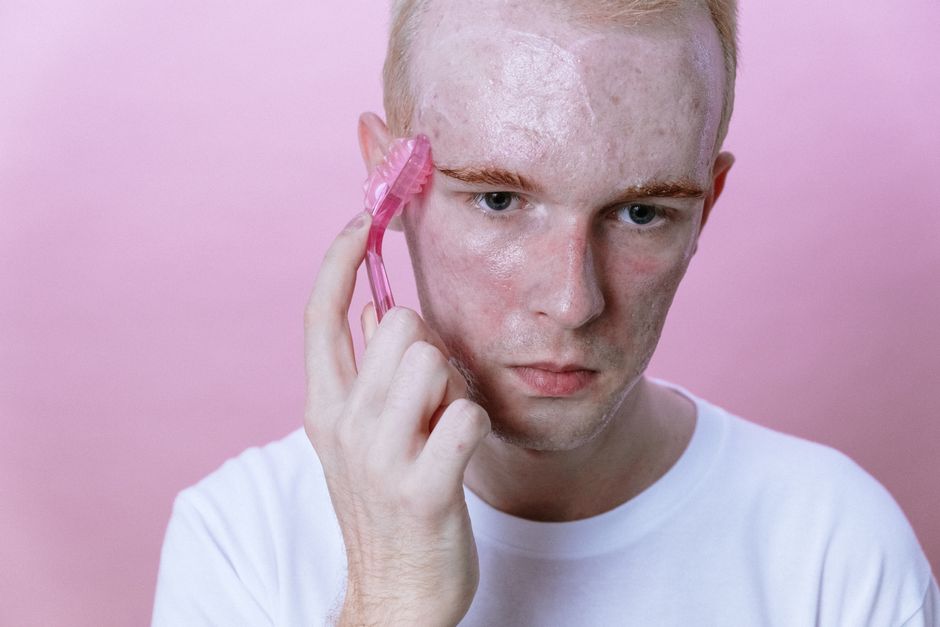
Ice can reduce acne swelling, but only for a short time and only if you apply it correctly. Cold narrows blood vessels near the skin surface, which can calm redness and numb a tender pimple. It does not clear the pore, kill the bacteria involved, or treat the cause of the breakout. Think of it as comfort care, not a cure.
Most people make one of two mistakes: they hold ice on bare skin too long, or they expect it to make the pimple disappear. Neither works. Used well, cold is a reasonable first step for a swollen, painful spot while you wait for a proven acne treatment to do its job.
How To Reduce Acne Swelling Ice Patches More Effectively
Cold works on swelling through a simple physical mechanism. Blood vessels in the skin constrict when cooled, which reduces blood flow to the area and can lessen visible redness and puffiness. Cold also temporarily dulls nerve signals, which is why an ice pack numbs a sore spot.
What cold cannot do is open a blocked pore, reduce oil production over time, or kill Cutibacterium acnes, the bacterium linked to inflammatory acne. A swollen pimple is usually an inflammatory response deep in the follicle. Ice calms the surface signs of that response. It does not resolve what started it.
To get the most from cold, follow a few practical rules:
- Never place ice directly on skin. Wrap it in a thin, clean cloth or use a cold pack designed for skin contact.
- Keep it brief. Short applications of a few minutes are the standard approach. Longer contact raises the risk of cold injury, especially on thin facial skin.
- Pat dry and stop if skin turns white or numb. Prolonged cold can damage tissue. Discomfort that turns into stinging or blanching means it is time to stop.
- Apply to one spot, not the whole face. Spot treatment limits the risk and targets the actual problem area.
Some clinicians suggest brief cold contact to calm a pimple before an event. That is common practice, not a strongly evidence-based recommendation. There are no large trials comparing ice against standard acne treatments, and no guideline lists cryotherapy as a primary acne therapy. Treat it as a comfort measure with a modest, temporary effect.
Do Ice Patches Actually Work On Acne Swelling?
Ice patches and cooling rollers can temporarily reduce the look and feel of a swollen pimple. The effect is real but short-lived. Once skin warms back up, blood flow returns and much of the redness comes back with it.
There is a second issue worth knowing. Many commercial “ice patches” are not cold therapy at all. Some are hydrocolloid pimple patches marketed with cooling language. Hydrocolloid patches work by absorbing fluid and protecting a spot from picking, which has some support for healing minor blemishes. They do not cool the skin. If a product is not stored cold or does not contain a cooling element, it is not doing what ice does.
Cooling rollers kept in the refrigerator are another option. They feel soothing and may briefly reduce puffiness. The evidence for any lasting effect on acne itself is absent. No study has confirmed that cooling devices reduce acne lesion counts or prevent new breakouts.
One clarification that gets lost: reducing swelling is not the same as reducing acne. Swelling is a symptom. Acne is a condition driven by blocked follicles, excess oil, bacterial activity, and inflammation. Ice touches only the inflammation visible on the surface.
What Else Reduces Acne Swelling Quickly?
Established acne treatments do more than ice because they address causes. Which one fits depends on whether the spot is a blackhead, a whitehead, or an inflamed cyst.
Benzoyl peroxide has good evidence for reducing acne bacteria and inflammation. It is available over the counter in several strengths. It can dry or irritate skin, so starting with a lower strength and using it on the spot rather than the whole face is a common approach.
Salicylic acid helps clear blocked pores and is widely used for milder acne. It is less useful for deep, swollen cysts.
Warm compresses are sometimes recommended for a pimple that looks like it is coming to a head. Gentle warmth can encourage drainage of a superficial pustule. This is common clinical advice rather than a strongly trial-supported recommendation. Never squeeze or pop a deep, painful nodule. That pushes inflammation deeper and raises the risk of scarring.
For large, painful nodules or cysts, over-the-counter products often are not enough. A dermatologist can assess whether prescription treatment is appropriate. This is a clinical decision, not something to self-manage with ice alone.
How Long Does It Take For Ice To Reduce Swelling?
Cooling effects begin within minutes of application. Redness and puffiness may look reduced shortly after you remove the cold pack. The effect typically fades as skin rewarms, often within an hour or so.
Ice does not shorten the life of a pimple. A typical inflammatory pimple runs its course over several days regardless of cold therapy. What changes is how it feels and looks in the moment, not how fast it resolves.
Anyone expecting ice to flatten a cyst overnight will be disappointed. The swelling from a deep nodule comes from inflammation well below the surface. Surface cold reaches only so far.
When Should You Not Use Ice On Acne?
Ice is not appropriate for every skin situation. Cold can irritate sensitive or broken skin, and it should not be applied over an open, weeping, or crusted lesion.
People with certain circulation problems or conditions where cold triggers symptoms should avoid facial cold therapy unless a clinician says otherwise. Cold urticaria, a rare reaction where cold exposure causes hives, is one example. If cold contact causes burning, hives, or unusual color changes, stop and speak with a doctor.
There is also a risk of overuse. Repeated long ice applications can damage the skin barrier and cause irritation that looks like a worsening breakout. Short, occasional use is the safer pattern. If you find yourself icing the same spot many times a day, that is a sign to step back and address the acne itself.
What Actually Treats Acne Long Term?
Acne responds to consistent treatment aimed at its causes, not to symptom relief. The core drivers are blocked follicles, increased oil production, bacterial activity, and inflammation. Effective treatments target one or more of these.
Evidence supports several approaches. Topical retinoids are among the best-studied treatments for acne and help prevent new lesions by keeping pores clear. Benzoyl peroxide reduces bacteria and inflammation. For moderate to severe acne, prescription options including oral antibiotics for limited courses and, for severe cases, isotretinoin are used under medical supervision. Hormonal treatments help some women with acne linked to hormonal patterns.
No single product works for everyone, and results take time. Most acne treatments need weeks of consistent use before real change appears. This is one of the most common reasons people give up too early. The timeline is measured in weeks to months, not days.
Ice fits into this picture as a small supporting tool. It helps with comfort and appearance while proven treatment does the actual work. Relying on ice alone will not clear acne, and no evidence suggests it will.
Common Myths About Ice And Acne
Myth: Ice dries out pimples. Cold does not reduce oil production. It narrows blood vessels temporarily. Oil glands keep working as before.
Myth: Ice kills acne bacteria. Cold does not reliably kill the bacteria involved in acne, and skin temperature returns to normal quickly. Antibacterial treatment is a separate matter.
Myth: The colder and longer, the better. More cold is not more effective, and prolonged exposure risks tissue injury. Brief and wrapped is the safer approach.
Myth: Ice prevents scars. No evidence supports this. Scarring relates to the depth and severity of inflammation and to whether lesions are picked or squeezed. Preventing scars means treating acne properly and not manipulating lesions.
Frequently Asked Questions
How long should you hold ice on a pimple?
Keep contact brief, typically a few minutes at a time, with the ice wrapped in a thin cloth. Longer or repeated applications raise the risk of cold irritation and skin damage.
Can ice make acne worse?
It can if used too long or on sensitive or broken skin, causing irritation that mimics a worsening breakout. Short, occasional use on intact skin is less likely to cause problems.
Do ice patches get rid of pimples overnight?
No. Ice can briefly reduce redness and swelling, but it does not clear the pore or resolve the pimple, which typically takes several days.
Is ice or a warm compress better for a swollen pimple?
Ice is better for calming redness and pain, while gentle warmth is sometimes used for a pimple coming to a head. Neither replaces proven acne treatment.
