
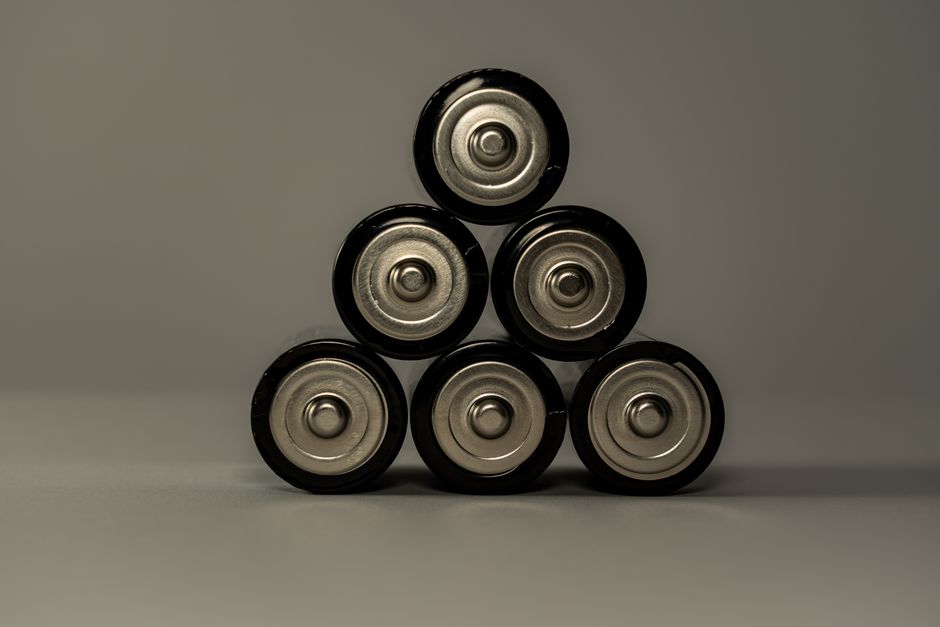
Electric car batteries do not end up in a landfill. When an EV battery reaches the end of its driving life, it enters a structured recycling system designed to recover valuable materials. This is not a simple process. It involves multiple steps, specialized facilities, and ongoing innovation. Here is exactly what happens to a retired electric car battery.
What types of electric car batteries can be recycled?
Nearly every battery chemistry used in electric vehicles can be recycled today. The vast majority of modern EVs run on lithium-ion batteries. These contain a mix of lithium, cobalt, nickel, manganese, and graphite. Some older hybrids and a few early EVs used nickel-metal hydride batteries, which are also recyclable through existing metal recovery streams.
Lead-acid batteries, the traditional car starter battery, are already recycled at rates above 95 percent in the United States. The recycling infrastructure for large-format lithium-ion packs is less mature but expanding quickly. The chemical makeup of any EV battery determines which recycling method yields the best material recovery.
How are electric car batteries collected for recycling?
A battery is not thrown into a curbside bin. Collection begins with authorized handlers. When the battery can no longer hold enough charge for a car, several paths exist.
Car dealerships and service centers often remove the pack and send it to a certified battery recycler. Automakers run their own take-back programs. Some states mandate manufacturer responsibility. You can also search online directories for certified electronics recyclers that accept large lithium batteries. The US Environmental Protection Agency regulates these batteries as universal waste, which sets rules for safe handling and transport.
Before shipping, the battery is carefully packaged to prevent short circuits. Large packs may be wrapped in non-conductive material, placed in specialized containers, and transported by hazardous materials carriers. Safety is critical because a damaged lithium-ion battery can overheat and catch fire.
What happens during the recycling process?
Once a battery arrives at a recycling facility, the first step is a thorough inspection and discharge. Any remaining electrical energy is drained to a safe level. This reduces the risk of fire or explosion during the next stages.
After discharge, workers or automated systems disassemble the pack. They separate the metal casing, wiring, cooling systems, and electronic components. The core of the battery, which contains the cells with the valuable electrode materials, is extracted.
These cells are then shredded into small pieces under an inert atmosphere or a liquid bath to keep them from reacting with air. The shredded material, called black mass, holds the precious metals. From here, the recycling path splits into three main methods.
| Method | How It Works | Key Pros | Key Cons |
|---|---|---|---|
| Pyrometallurgy | High-temperature smelting melts metals. Cobalt, nickel, and copper are recovered as an alloy. Lithium and aluminum usually end up in slag. | Simple, well-established, handles mixed chemistries | High energy use, loses lithium, emits CO₂ |
| Hydrometallurgy | Chemical leaching dissolves metals in acids or other solutions, then selectively precipitates them back. | Recovers lithium, cobalt, nickel; lower energy | Needs careful handling of chemicals and wastewater |
| Direct recycling | Physically separates electrode materials without breaking them down chemically. The materials can be reused in new batteries. | Preserves material structure, minimal energy, potentially low cost | Still in development, works best with sorted chemistries |
In practice, many large recyclers combine these approaches. They might smelt to get a metal alloy, then use hydrometallurgy to refine it. Direct recycling is less common today but is a major focus of research because it could keep more of the original battery material in a reusable form.





How To Recycle Electric Car Batteries What Really Happens?
If you own an electric vehicle and the battery is failing, here is what you actually need to do. Contact your dealership or manufacturer first. Most have a return program that handles the logistics and covers part of the cost. If that route is not available, look for a certified electronics recycler that accepts large lithium-ion batteries. Check whether your state has a battery stewardship law that guides disposal.
When the battery leaves your hands, the recycling facility takes over. The pack is logged, discharged, and stripped down. The cells are shredded, and the metals are separated. Recyclers may sell the recovered cobalt, nickel, and lithium back to battery manufacturers or other industries. Plastics and metals from the casing and wiring are sold into secondary markets. Nothing is wasted in a well-run operation.
What surprises many people is that today the economic incentive to recycle is driven by cobalt and nickel, not lithium. Lithium recovery has been less profitable historically because of low raw material prices. That is changing as lithium demand rises. Some newer facilities are designed specifically to capture lithium in a saleable form.
What materials are recovered from recycled EV batteries?
The obvious metals are cobalt, nickel, copper, and aluminum. They carry high market value and are relatively easy to extract using current methods. Lithium can be recovered, but not always economically. Many pyrometallurgical operations send lithium into slag, where it is not recovered. Hydrometallurgical plants, on the other hand, often target lithium carbonate or lithium hydroxide as a product.
Graphite, the carbon material used in the battery’s anode, is technically recoverable. However, its low price means few recyclers bother to isolate it today. Some research projects are exploring ways to purify and reuse graphite directly. The plastic separators, casings, and electrolytes can also be processed. The electrolyte is typically burned off or treated as hazardous waste, though technologies to recapture it are emerging.
Is electric car battery recycling safe for workers and the environment?
Properly run recycling facilities operate under strict safety and environmental rules. Batteries present real hazards: high voltage, flammable electrolytes, and toxic metals like cobalt and nickel. Workers wear protective gear and use remote-controlled tools to minimize contact. Air quality, water discharge, and waste handling are monitored.
Improper handling, however, can cause fires in shredding equipment or landfills. That is why regulation treats these batteries as universal waste, not ordinary trash. In the United States, the EPA enforces storage and transport standards, while the Department of Transportation regulates shipping. Many experts agree that overall, recycling a battery is significantly less harmful than mining new raw materials.
What happens if an EV battery is not recycled?
A battery that escapes the recycling loop might end up in a landfill, where it could eventually corrode and leak toxic metals into soil and groundwater. It might also be illegally exported to informal backyard recyclers in other countries, where crude smelting practices release pollution and harm workers. Both outcomes undermine the environmental promise of electric vehicles. Real-world evidence suggests this is rare for full-sized EV batteries because of their size and value, but stringent oversight remains necessary.
How close are we to a fully closed battery loop?
A closed loop means new batteries are made entirely from old ones. We are not there yet. The industry recycles a growing share of end-of-life batteries, but demand for new materials still far outpaces what recycled stock can supply. The battery market is also fragmented by different chemistries, which complicates recovery.
Direct recycling could be the breakthrough that makes closed loops viable, because it keeps electrode materials in their original form. Projects funded by the Department of Energy are working to scale up direct recycling and cut costs. Until these become mainstream, the system will remain a mix of old and new materials.
Frequently Asked Questions
Can I recycle my old electric car battery myself?
No. High voltage and hazardous chemicals make home disassembly extremely dangerous. You should always hand the battery over to a certified professional or the car’s manufacturer.
How much does it cost to recycle an EV battery?
In most cases, the cost is built into the battery’s price or covered by the automaker’s take-back program. If you have to pay directly, fees vary widely by state and recycler, but the battery’s scrap metal value often offsets the expense.
Are all electric car batteries recycled?
No. Recycling rates are improving, but not every battery gets captured. The majority that enter formal channels get recycled, though some older packs are still sitting in storage waiting for disposal capacity to grow.
What is the biggest challenge in recycling EV batteries?
The variety of battery designs and chemistries. Each requires a slightly different disassembly and recovery process, which makes standardization difficult and slows down automation.
