
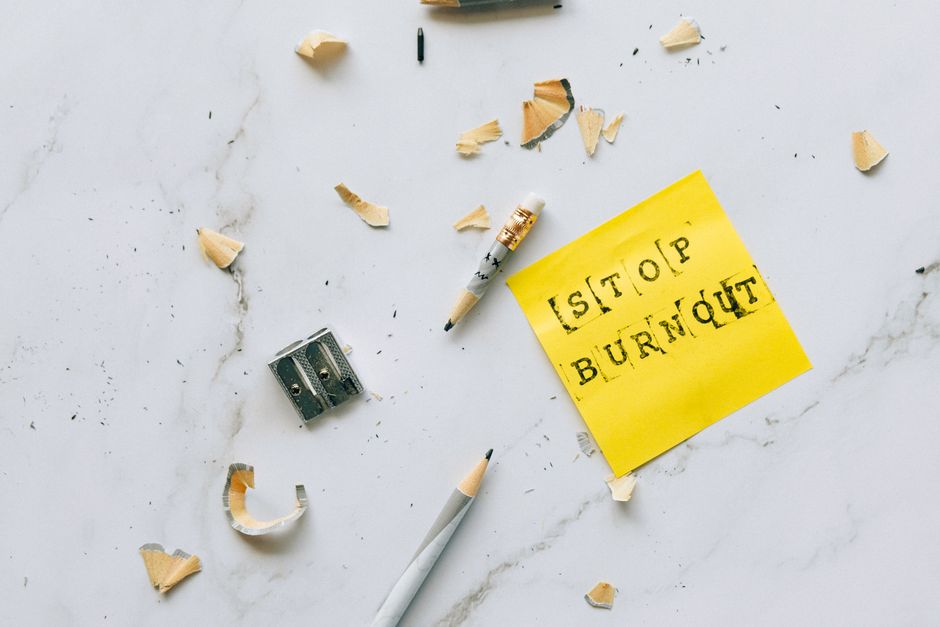
College burnout does not fix itself with a weekend off. Recovery means cutting the stress load, rebuilding sleep and basic routines, and re-engaging with school gradually. Most students start feeling better within a few weeks of real changes, not a few days.
Burnout is more than being tired. Researchers who study it describe three parts: exhaustion that rest does not fix, a growing distance or cynicism toward your work, and a sense that you are no longer effective. For students, that can look like skipping classes you used to care about, staring at assignments without starting, or feeling flat about a major you once loved.
It is also not a formal medical diagnosis. That matters, because burnout can overlap with depression, anxiety, and sleep disorders, which need their own care. The steps below are about reducing the load and rebuilding. If low mood or hopelessness is part of the picture, see the section on when to get help.
How To Recover From College Burnout As A Student?
Recovery works by lowering demand and restoring the basics at the same time. Neither one alone tends to be enough.
Students often try to push through until the semester ends, then rest. That plan usually fails. A break helps, but the same load returns in the fall. Real recovery changes something about the load itself, at least for a while.
Here is what the evidence supports most strongly:
- Sleep on a regular schedule. Going to bed and waking at roughly the same time each day, including weekends, is one of the most reliable ways to reduce exhaustion. Catching up with long weekend sleep does not fully undo a week of short sleep.
- Cut your commitments on purpose. Drop or defer one or two things. Not everything. A smaller schedule you can actually do beats a full one you keep failing at.
- Move your body most days. Regular physical activity has a consistent, modest effect on mood, energy, and sleep quality in research. It does not have to be a workout. A 20-minute walk counts.
- Protect one or two relationships. Isolation deepens burnout. You do not need a big social life. One or two people you actually talk to matters.
- Get help early. Campus counseling centers, academic advisors, and disability services exist for exactly this. Using them is not a sign of failure.
None of these is dramatic. That is the point. Burnout recovery is usually a slow rebuild of small habits, not a single breakthrough.
What Actually Causes College Burnout?
Burnout comes from prolonged demand without enough recovery. The specific demands vary, but the pattern is consistent.
Common drivers in college include:
- Chronic sleep debt. Late nights, early classes, and irregular schedules add up.
- Academic overload. Too many credits, back-to-back exams, or a major that does not fit your actual interests.
- Financial stress. Tuition, rent, and work hours compete with study time.
- Lack of control. Feeling like your schedule is decided for you, with no room to adjust.
- Isolation. Few close relationships and little sense of belonging.
- Unclear expectations. Not knowing what “good enough” looks like, so you keep working without a finish line.
One non-obvious point: burnout is not simply about hours. Two students can put in the same study time and only one burns out. The difference is often control and recovery. A heavy load you chose, with breaks you protected, is easier to carry than a lighter load you feel trapped in.
How Do You Know If It Is Burnout Or Depression?
They can look similar, and they can occur together. The overlap is real enough that a clinician should help sort it out.
Burnout is usually tied to a specific context. You feel drained about school or work, but you may still enjoy friends, hobbies, or rest. Depression tends to be broader. It can affect sleep, appetite, interest in almost everything, and how you see yourself, regardless of the setting.
Signs that point toward something more than burnout include:
- Low mood or loss of interest most days for weeks
- Changes in sleep or appetite that do not improve with rest or routine
- Feeling worthless, hopeless, or numb
- Withdrawing from people you used to enjoy
- Thoughts of self-harm or suicide
If any of these are present, talk to a doctor or counselor. In the US, the 988 Suicide and Crisis Lifeline is available by call or text, 24 hours a day. This is not a reason to wait and see.
One clarification worth stating plainly: burnout is not officially classified as a medical condition in the main diagnostic manual used in the US. It is real, and it is well described in research, but it is not the same as a diagnosis. That is one more reason to get a professional opinion when symptoms are severe or lasting.
Should You Take Time Off School?
Sometimes yes, and it can be the right call. The decision should be made with people who know your situation, not alone at 2 a.m.
A leave of absence, a reduced course load, or dropping a single class are all options at many schools. Each has tradeoffs: financial aid rules, visa requirements for international students, and graduation timelines can all be affected. Talk to your academic advisor and financial aid office before deciding.
For many students, a lighter semester is enough. For others, a full break is what allows recovery. There is no single correct answer, and the “push through no matter what” approach is not a neutral default. It has real costs.
If you are considering a leave, ask:
- What happens to my financial aid and scholarships?
- How does this affect my timeline and any visa status?
- Can I return, and what is the process?
- What will I do during the break to actually recover?
How Long Does Burnout Recovery Take?
There is no standard timeline, and anyone who gives you a fixed number is guessing. What the research and clinical experience suggest is that recovery is gradual and depends on whether the underlying load actually changes.
Most students notice improvement over weeks, not days, once sleep and schedule stabilize and some demands are reduced. Full recovery can take longer, sometimes a semester or more, especially if the load stays high.
Two things tend to slow recovery:
- Returning to the same overloaded schedule as soon as you feel slightly better
- Treating rest as a reward you have to earn, so it never happens
Progress is usually uneven. A good week followed by a hard one is normal, not a sign of failure.
What Should You Do This Week?
Start with the smallest changes that affect the biggest drivers. Sleep and load come first.
Pick one or two from this list and actually do them:
- Set a consistent bedtime and wake time for the next seven days
- Identify one commitment you can drop, defer, or shrink this week
- Book one appointment with a counselor or advisor
- Take a 20-minute walk on three days
- Message one person you trust and tell them how you are doing
Keep it small enough that you will follow through. A plan you can do beats a perfect plan you abandon by Wednesday.
And be honest with yourself about the bigger picture. If the same overload keeps returning every semester, the fix is not another burst of willpower. It is a change to the schedule, the major, or the support around you.
Frequently Asked Questions
How long does it take to recover from college burnout?
Most students start to feel better over several weeks once sleep and workload improve, though full recovery can take longer. There is no fixed timeline, and recovery is slower if the underlying load stays the same.
Is college burnout the same as depression?
No, they are different, though they can occur together and look similar. Burnout is tied to a specific setting like school, while depression tends to affect mood and interest more broadly; a clinician can help tell them apart.
Should I drop out of college if I am burned out?
Not necessarily, and a permanent decision is rarely the first step. A reduced course load, a semester off, or a leave of absence are often better starting points, decided with your advisor and financial aid office.
What is the fastest way to recover from burnout as a student?
There is no fast fix, but the highest-impact steps are consistent sleep, cutting one or two commitments, and getting support early. Small changes you actually keep matter more than a single big reset.
