
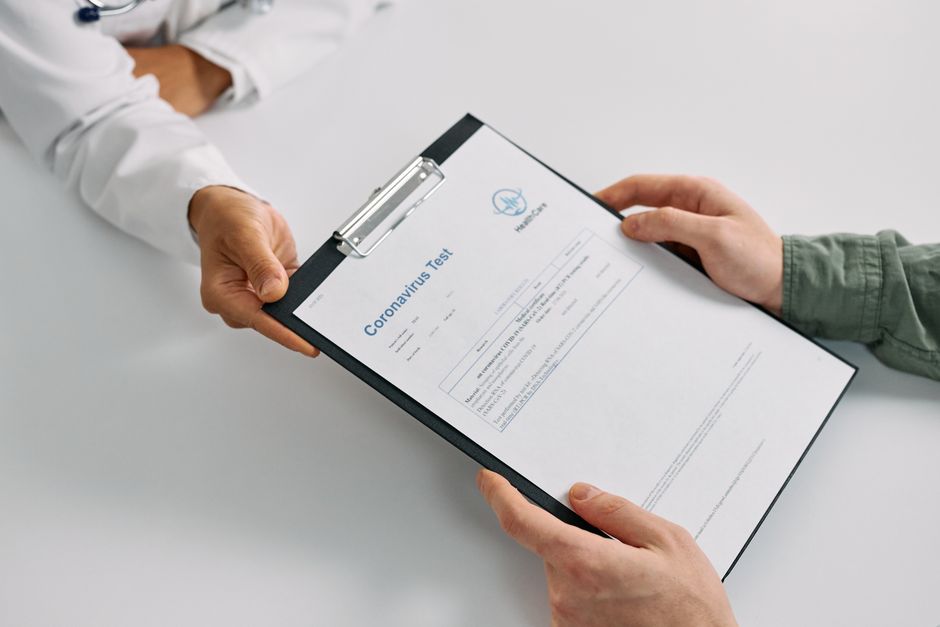
Walk into any dispensary in a legal state and you will see numbers on every package: THC percentages, milligram counts, sometimes a small QR code. Those numbers come from a laboratory certificate of analysis, or COA. Learning to read that document tells you how strong a product really is, what else is in it, and whether it passed basic safety tests. This guide explains what each part of a THC lab report means, which numbers matter most, and where the limits of that testing are.
How To Read THC Lab Results: Potency, Safety, and More
Start with the product type. A lab report for flower, vape oil, and an edible are read differently because the numbers are expressed in different units.
Flower and concentrates usually list potency as a percentage of THC by weight. Edibles and tinctures usually list total THC in milligrams per package or per serving. Those are not interchangeable, and a “30%” label on a gummy means something very different from 30% on a jar of bud.
Next, look for the batch or sample ID and the date. A COA covers one specific batch, not every product that company makes. If the date on the report is old, or the batch number does not match the package, the results may not describe what you are holding.
Then check the safety panels. Most regulated labs test for potency, pesticides, heavy metals, residual solvents, microbial contamination, and sometimes mycotoxins. A report that only shows potency is not a full safety report, even if it looks official.
Finally, understand that “pass” is a threshold, not a guarantee of zero contamination. A product can pass a pesticide screen and still contain trace residues below the legal limit. That limit varies by state.
What Do the THC and CBD Percentages Actually Mean?
The percentage on a flower label is the amount of THC by weight in that sample. A gram of flower labeled 20% THC contains roughly 200 milligrams of THC, though how much you actually absorb when you smoke or vape it is a separate question.
That distinction matters. The number on the label is the amount present in the plant material, not the amount that reaches your bloodstream. Combustion destroys some THC, and absorption through the lungs is incomplete. So a “20% THC” joint does not deliver a clean 200 milligrams to your body.
Labels may show THCA separately from THC. Raw cannabis contains mostly THCA, which is not psychoactive until it is heated — a process called decarboxylation. When you smoke or vape, heat converts THCA into THC. Some reports list “total THC,” which combines the two and is usually the number that best reflects what you will feel.
CBD percentages work the same way. A product high in CBD and low in THC will generally produce little to no intoxication. That said, CBD is not automatically “THC-free,” and full-spectrum products can contain small amounts of THC.
One clarification worth knowing: a higher percentage does not automatically mean a better experience. It means more THC per gram. For many people, especially those new to cannabis, a lower-potency product is easier to dose and less likely to cause an unpleasant reaction.
Why Do Lab Results Differ From What the Package Says?
Small differences between the label and the lab report are normal. Cannabis is a plant, and THC content varies from bud to bud, even within the same harvest.
Larger gaps are a different story. Some research has found that labeled potency does not always match tested potency, and in some cases products were labeled higher than the lab measured. This is one reason regulators in several states have tightened rules around potency claims and lab shopping — the practice of sending samples to whichever lab returns the most favorable numbers.
If a package claims an unusually high potency with no accompanying COA, treat that claim with caution. The same goes for products sold outside licensed dispensaries, where testing requirements may not apply at all.



Which Safety Tests Matter Most on a COA?
Potency gets the attention, but the safety panels are where a lab report earns its value. Here is what each one covers.
- Pesticides: Screens for chemicals that can be harmful when heated and inhaled. Limits vary by state.
- Heavy metals: Checks for lead, arsenic, cadmium, and mercury, which can accumulate in plant material and in the body over time.
- Residual solvents: Relevant mainly for concentrates and vape oils, where extraction chemicals like butane or ethanol may remain.
- Microbial contamination: Tests for mold, yeast, and bacteria such as certain types of Aspergillus, which matter most for people with weakened immune systems.
- Mycotoxins: Screens for toxins produced by mold, which can be harmful even in small amounts.
The key detail is that these tests are only meaningful if they were actually performed. A COA that lists potency and nothing else tells you nothing about contaminants. Look for a full panel, and check whether the lab is accredited or licensed by the state.
Some states require a QR code on packaging that links to the full COA. If yours does, use it. If a product has no traceable report, you cannot verify what it contains.
How Reliable Is Cannabis Lab Testing?
The evidence here is mixed. Regulated labs operate under state rules, but standards and enforcement differ widely from state to state. There is no single national testing standard for cannabis in the US, because cannabis remains federally controlled.
Some studies have raised concerns about consistency between labs testing the same sample. Results can vary based on how a sample was collected, how it was prepared, and the methods a lab uses. A single COA is a snapshot of one sample, not a permanent guarantee about a product line.
This does not mean lab reports are meaningless. It means they are one piece of information among several. A full-panel COA from a licensed lab is a much stronger signal than a potency number alone, but no report can tell you exactly how a product will affect you personally.
What Should You Check Before Buying?
Before you buy, run through a short checklist. It takes a minute and tells you more than the biggest number on the label.
- Does the package show a batch number and a matching COA?
- Does the COA list a full safety panel, not just potency?
- Is the lab identified, and is it licensed or accredited in your state?
- Is the report recent and tied to the batch you are buying?
- Does the product type match the units on the label — percentage for flower, milligrams for edibles?
For edibles, pay close attention to serving size and total milligrams per package. A single piece may contain far more THC than a new user needs, and the package total can be misleading if you assume it is per serving.
If you are new to cannabis, or you take medication, or you are pregnant or breastfeeding, talk to a clinician before using it. Lab reports describe what is in a product. They do not tell you whether that product is right for your body or your situation. No clinical guidelines currently establish a safe THC dose for pregnant or breastfeeding people, and the general clinical direction is to avoid cannabis in those groups.
Frequently Asked Questions
What does a COA mean on a cannabis product?
A COA is a certificate of analysis, a lab report showing the results of testing on a specific batch. It typically lists potency and may include pesticide, heavy metal, solvent, and microbial tests.
Is a higher THC percentage always stronger?
It means more THC per gram of product, but how much reaches your bloodstream depends on how you use it and how your body responds. Higher potency does not automatically mean a better experience.
What is the difference between THC and THCA on a lab report?
THCA is the raw, non-psychoactive form found in fresh cannabis, and it converts to THC when heated. “Total THC” on a report combines both and usually better reflects what you will feel.
Can a product pass lab testing and still be unsafe?
Yes. Passing means a product fell below state-set limits for the contaminants tested, not that it contains none. And a report that only covers potency tells you nothing about contamination.
