
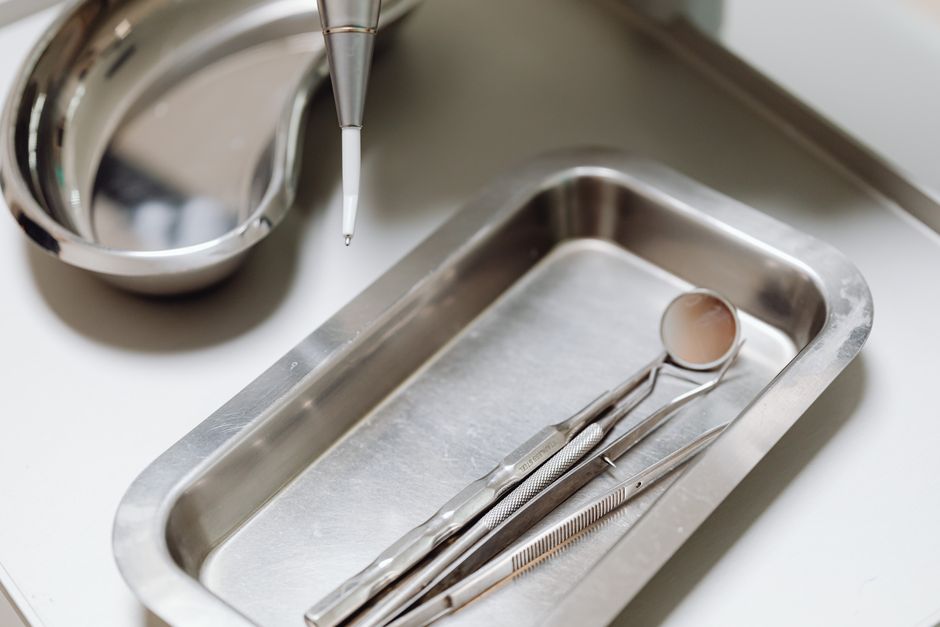
A periodontal probe is the thin, blunted instrument your dentist or hygienist uses to measure the depth of the spaces between your teeth and gums. Reading it is straightforward: the markings on the probe represent millimeters, and the measurement tells you how deep that pocket is. A reading of 3 millimeters or less is generally considered healthy, while deeper readings indicate gum disease that requires attention.
What Do the Markings on a Perio Probe Mean?
Periodontal probes have markings at specific intervals along the tip. Most commonly, these markings appear at 1, 2, 3, 5, 7, 8, 9, and 10 millimeters. Some probes use a color-coding system where the colored band covers a specific range, such as 3 to 5 millimeters or 4 to 6 millimeters.
The numbers represent the depth of the gingival sulcus — the natural space between the tooth and the gum tissue. When your clinician gently inserts the probe into this space, the marking that sits level with the gum line tells them the pocket depth. This measurement is recorded for six specific sites around each tooth: the mesiobuccal, midbuccal, distobuccal, mesiolingual, midlingual, and distolingual surfaces.
Understanding the markings matters because the probe is not just measuring depth. It also helps detect bleeding, which signals inflammation, and identifies areas where the gum has receded or where attachment has been lost. The markings give your dental team a precise, repeatable way to track changes over time.
How Are Perio Probe Measurements Taken?
Your clinician inserts the probe gently into the pocket until they feel light resistance from the base of the sulcus or pocket. They then read the measurement at the level of the gingival margin — the edge of the gum tissue closest to the crown of the tooth.
Proper technique requires the probe to be angled parallel to the long axis of the tooth. This ensures the measurement reflects true pocket depth rather than an oblique angle that would overestimate or underestimate the reading. The clinician walks the probe around each tooth, taking readings at the six standard sites.
Consistency matters more than a single number. If your measurements are stable from visit to visit, your condition is likely controlled. If they are getting deeper, that signals active disease. If they are shallower, that indicates healing or successful treatment.
What Do Different Measurement Depths Mean?
Pocket depth readings fall into general categories that guide clinical decisions. These are not arbitrary numbers — they reflect the biological reality of how gum disease progresses.
- 1 to 3 millimeters: Considered healthy or clinically acceptable. The sulcus is shallow, and cleaning is manageable at home with normal brushing and flossing.
- 4 millimeters: A gray zone. This depth may indicate early periodontitis, especially if bleeding is present. The pocket is too deep for your toothbrush bristles to reach the base, so professional cleaning becomes more important.
- 5 to 7 millimeters: Indicates moderate periodontitis. Bacteria have colonized below the gum line where home care cannot reach. Scaling and root planing or other professional intervention is typically needed.
- 7 millimeters or deeper: Indicates advanced periodontitis. At this depth, significant bone loss has often occurred, and surgical treatment may be necessary to access and clean the roots.
These numbers are not a diagnosis by themselves. Your clinician also evaluates bleeding on probing, clinical attachment loss, gum recession, tooth mobility, and radiographic bone levels. A 5-millimeter pocket in one person may be less concerning than a 4-millimeter pocket in someone with extensive bone loss or active inflammation.




How To Read A Perio Probe Markings And Measurements Accurately
Reading the probe accurately requires understanding that the measurement is taken at the gingival margin, not at the deepest point you can force the instrument. The probe should rest gently at the base of the pocket. Forcing it deeper causes discomfort, may induce bleeding, and produces falsely elevated readings.
Several factors can distort readings. Swollen, inflamed tissue is spongy and may offer less resistance, allowing the probe to penetrate deeper into the connective tissue. Conversely, fibrotic or scarred tissue from previous treatment may resist penetration and produce shallower readings than the actual attachment loss. This is why clinicians record both probing depth and clinical attachment level — the latter accounts for gum recession and gives a truer picture of bone support.
Your clinician reads the marking at the point where the gum edge meets the probe. If the gum has receded, the measurement may look shallow even when significant attachment has been lost. For example, a tooth with 3 millimeters of recession and a 4-millimeter probing depth has 7 millimeters of clinical attachment loss. This distinction is critical for accurate diagnosis and treatment planning.
Why Do Dentists Call Out Numbers During an Exam?
If you have heard your hygienist calling out numbers to an assistant, they are dictating the six measurements per tooth for the dental record. This charting provides a baseline and allows comparison at future visits. The numbers are not a judgment of your oral hygiene — they are a clinical record used to track disease progression or stability.
Hearing numbers like “3, 3, 4, 5, 3, 3” can be alarming if you do not understand them. A single 5-millimeter reading does not mean you have severe disease. It means one site on one tooth needs attention. Your clinician looks at the overall pattern of measurements, bleeding sites, and other factors to determine your periodontal status.
You have every right to ask what your numbers mean. A good clinician will explain your readings in plain language and tell you whether they are stable, improving, or getting worse. If you have been diagnosed with periodontitis, knowing your numbers helps you understand why certain treatments are recommended and what success looks like over time.
What Happens After Deep Measurements Are Found?
Deep pockets require treatment because they create an environment where disease-causing bacteria thrive. The deeper the pocket, the less oxygen reaches the base, and the more difficult it becomes for your immune system and home care to control the bacterial load.
For pockets of 4 to 5 millimeters with bleeding, your clinician will likely recommend scaling and root planing — a deep cleaning that removes calculus and bacterial biofilm from the root surfaces. This procedure is typically done with local anesthesia because the instruments reach below the gum line where sensation is acute.
For pockets of 6 millimeters or deeper, or for pockets that do not respond to nonsurgical therapy, surgical options may be discussed. Pocket reduction surgery allows the clinician to access the root surfaces directly and reposition the gum tissue to create shallower, more maintainable pockets. This is not a cosmetic procedure — it is a functional one designed to make the area cleanable and to halt bone loss.
Regardless of the treatment, the single most important factor in long-term success is your daily home care. No professional treatment can succeed if biofilm is allowed to reaccumulate below the gum line. Your clinician should show you exactly how to clean the areas that pocketed, which may require interdental brushes, water flossers, or other aids beyond standard floss.
How Often Should Perio Measurements Be Taken?
For people with healthy gums, a full periodontal charting is typically done at the initial comprehensive exam and then periodically thereafter. Many practices perform a full charting every three to five years for stable patients, while recording spot measurements during routine cleanings if concerns arise.
For people with a history of periodontitis, measurements should be taken at every periodontal maintenance visit, which usually occurs every three to four months. This frequency allows your clinician to detect early signs of recurrence before significant damage occurs. Periodontal disease is chronic and can be managed but not truly cured — it requires lifelong surveillance.
If you are in periodontal maintenance, do not be surprised if your visits feel shorter than a standard cleaning. The focus shifts from polishing teeth to probing pockets, checking for bleeding, and cleaning the deep areas that matter most. This is appropriate care for your condition, not a downgrade in service.
Frequently Asked Questions
What is a normal perio probe reading?
A normal reading is 1 to 3 millimeters with no bleeding on probing. Readings of 4 millimeters or deeper indicate that bacteria have colonized below the gum line and professional intervention is needed.
Does a 5mm pocket always mean gum disease?
A 5-millimeter pocket usually indicates periodontitis, especially if it bleeds when probed. However, your clinician considers the whole picture — including bone levels and attachment loss — before making a diagnosis.
Why do perio probe readings hurt sometimes?
The probe reaches inflamed tissue at the base of the pocket, which is sensitive when diseased. If probing consistently causes pain, tell your clinician — it may indicate active inflammation that needs treatment.
Can deep gum pockets heal on their own?
No. Once a pocket forms and bacteria establish below the gum line, they cannot be removed by brushing or flossing alone. Professional treatment is required to clean the root surfaces and allow the tissue to reattach.
