
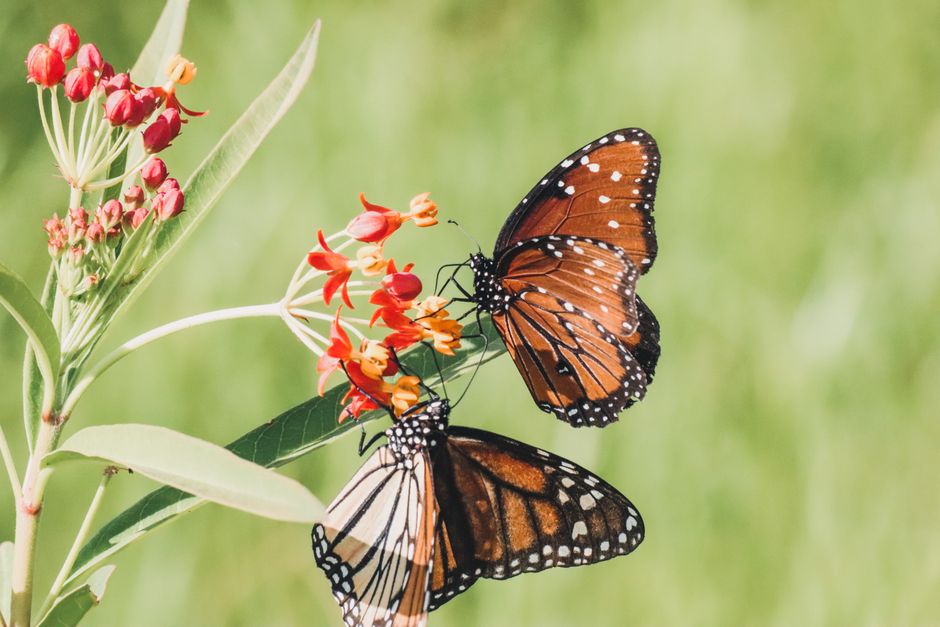
You can raise monarch butterflies indoors by bringing in eggs or small caterpillars on milkweed leaves, keeping them in a clean ventilated container, feeding them fresh milkweed daily, and letting them form a chrysalis in a safe spot away from pets and drafts. The full process from egg to adult butterfly takes roughly three to five weeks in warm conditions. Indoors, the main risks are disease, mold, and releasing a butterfly at the wrong time of year.
Why Do People Raise Monarch Butterflies Indoors?
Outdoor monarch caterpillars face heavy losses. Studies have found that fewer than one in ten eggs laid on milkweed in a garden typically survives to become an adult butterfly. Predators, parasites, and weather account for most of that loss.
Raising them indoors removes many of those threats. No wasps, no ants, no birds, no sudden storms. The trade-off is that you take on the job of keeping the environment clean, which is where most indoor attempts fail.
There is also an educational value that is hard to overstate. Watching a caterpillar shed its skin, hang in a J-shape, and emerge as a butterfly is one of the few nature experiences a child can hold in their hands. That alone is why many families do this every summer.
One clarification worth making early: raising monarchs indoors is not the same as conservation. It can support local populations if done carefully, but poorly managed indoor rearing has been linked to disease spread and to releasing butterflies at times when they cannot survive. The methods below are designed to reduce those risks.
What Do You Need Before You Start?
You need three things: a source of milkweed, a container, and a plan for what happens after the butterfly emerges.
Milkweed is not optional. Monarch caterpillars eat only milkweed. No lettuce, no cabbage, no parsley. If you cannot get fresh milkweed, you cannot raise monarchs. Common species include common milkweed, swamp milkweed, and tropical milkweed. Tropical milkweed is widely sold but has been associated with disrupting monarch migration in warm regions, so native species are generally preferred where available.
For a container, a clear plastic storage bin with a mesh lid works well. So does a pop-up mesh enclosure. What matters is airflow and the ability to see what is happening. A glass jar with a solid lid will trap moisture and promote mold.
You will also need paper towels, a small brush or soft paintbrush for moving caterpillars without touching them, and a clean surface. A spray bottle for misting is optional and often unnecessary.
Before you bring anything inside, decide your release plan. If it is late summer or early fall in a northern state, the adult may be a migratory generation that needs to fly south. Releasing it into a cold snap can kill it.
How To Raise Monarch Butterflies Indoors At Home Step By Step
The process is straightforward once you have the setup right. The details matter more than the equipment.
- Find eggs or caterpillars. Check the undersides of milkweed leaves. Eggs are tiny, cream-colored, and oval. Small caterpillars are often on the newest leaves.
- Bring the leaf, not the caterpillar. Cut the leaf the egg or caterpillar is on and place it in the container. This avoids handling damage.
- Keep the container clean. Replace paper towels daily. Remove frass (caterpillar droppings) and any wilted leaves.
- Feed fresh milkweed daily. Rinse leaves and pat them dry before adding. Wet leaves encourage mold.
- Provide space to pupate. Once a caterpillar stops eating and starts wandering, it is looking for a place to attach. The mesh lid of a bin usually works.
- Do not disturb the chrysalis. Leave it alone. Moving or touching it can break the silk attachment.
- Release within a day of emergence. The wings need a few hours to dry and harden. After that, the butterfly needs to fly.
One detail people get wrong: caterpillars do not need a water source. They get all the moisture they need from milkweed. Adding a dish of water creates a drowning risk and raises humidity.





How Long Does Each Stage Take?
Timing depends heavily on temperature. Warmer conditions speed development; cooler conditions slow it.
The egg hatches in about three to five days. The caterpillar stage lasts roughly two weeks, during which it molts five times. The chrysalis stage typically lasts one to two weeks. In cooler conditions, any of these stages can take noticeably longer.
Total time from egg to adult is usually somewhere between three and five weeks indoors at room temperature. If your home runs cool, expect the longer end.
A caterpillar that has stopped eating and is walking around the top of the container is not sick. It is preparing to pupate. This is normal and should not be interrupted.
What Are the Main Risks of Raising Monarchs Indoors?
Disease is the biggest one. A protozoan parasite called Ophryocystis elektroscirrha, often shortened to OE, infects monarchs and can spread quickly in crowded indoor conditions. Infected adults may be weak, unable to fully expand their wings, or unable to fly.
The main way OE spreads indoors is through contaminated surfaces and through adults emerging near milkweed that later gets fed to caterpillars. Cleaning containers between batches and not overcrowding caterpillars reduces this risk substantially.
Mold is the second major issue. Poor airflow plus wet leaves plus frass equals mold. Mold can kill caterpillars directly and also signals that conditions are wrong.
Pesticides are a third risk. Milkweed collected from roadsides, agricultural edges, or sprayed gardens can carry residues that kill caterpillars. If you do not know the source, do not use it.
Finally, there is the timing problem. Releasing a monarch in late fall in a cold climate usually means it dies. In many regions, late-season monarchs are the migratory generation that needs to travel to overwintering sites in Mexico or coastal California. Those butterflies should generally be released promptly so they can begin migration, not held indoors.
Should You Raise Monarchs Indoors at All?
This is genuinely debated. Some conservation groups express concern that large-scale indoor rearing can spread disease and may produce butterflies less fit for migration. Others see careful home rearing as a way to boost local numbers and build public support for monarch conservation.
The evidence is mixed. Small, clean, well-managed home rearing is unlikely to cause harm and may help locally. Large-scale rearing with poor hygiene is a different situation and has been linked to disease problems.
If you do this, keep it small. Keep it clean. Use native milkweed. Release at the right time. Those four practices address most of the concerns raised by researchers.
What Happens After the Butterfly Emerges?
The adult monarch will hang from the empty chrysalis case for a few hours while its wings expand and harden. Do not touch it during this time. Do not try to help it out of the chrysalis.
Once the wings are dry and the butterfly is opening and closing them, it is ready. Release it outdoors on a warm, calm day. If the weather is bad, you can keep it overnight in the enclosure, but not longer than that.
If you want to offer food before release, a sliced orange or a sponge soaked in a weak sugar-water solution can be placed in the enclosure. This is not required. Most monarchs released promptly will find nectar on their own.
Do not keep a monarch as a pet. These are migratory insects with specific needs that a home cannot meet long-term.
Frequently Asked Questions
Can I raise monarch butterflies indoors without milkweed?
No. Monarch caterpillars feed only on milkweed and will not survive on any substitute. You must have a reliable source of fresh milkweed before you start.
How long does it take for a monarch caterpillar to become a butterfly?
From egg to adult usually takes about three to five weeks indoors at room temperature. Cooler conditions can extend that timeline noticeably.
Is it safe to touch a monarch caterpillar or chrysalis?
It is best not to. Handling can damage caterpillars and can break the silk thread holding a chrysalis, so use a soft brush or move the leaf instead.
When should I release an adult monarch butterfly?
Release it within a day of emergence, once its wings are dry and it is actively moving. In late fall in cold climates, release promptly so it can begin migration.
