
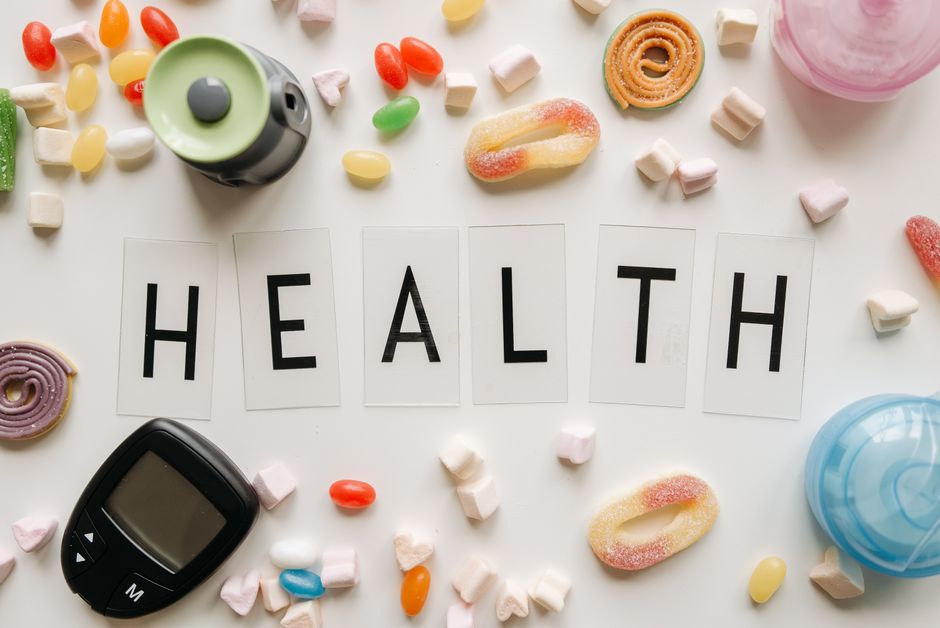
If your blood sugar drops too low, fast-acting carbohydrate is the fix. The fastest options are glucose tablets, fruit juice, or regular soda. If you’re not in a hypoglycemic emergency and just want steadier glucose, the healthy approach is a balanced meal with complex carbs, protein, and fiber.
The right method depends entirely on what you’re dealing with. A person with diabetes treating a low is in a different situation than someone who feels shaky after skipping lunch. This article covers both, because mixing them up can lead to poor decisions.
What Counts As Low Blood Sugar?
Low blood sugar is called hypoglycemia. For people with diabetes, clinical guidelines define it as a blood glucose level below 70 mg/dL. That number is well established and used across major diabetes organizations.
Symptoms usually appear as glucose falls. Early signs include shakiness, sweating, a racing heart, hunger, and tingling around the mouth. As levels drop further, confusion, slurred speech, and difficulty concentrating can follow. Severe hypoglycemia can cause seizures or loss of consciousness.
Not everyone feels these symptoms the same way. Some people with diabetes develop what clinicians call hypoglycemia unawareness. Their glucose can fall below 70 mg/dL without warning signs. This is more common in people who have had diabetes for many years or who have frequent low episodes.
For people without diabetes, a true low is uncommon. Feeling shaky or irritable after skipping a meal is usually not clinical hypoglycemia. It’s often just hunger and a normal stress response. A blood glucose meter can tell you which one you’re dealing with.
How To Raise Blood Sugar The Healthy Way
The healthy way to raise blood sugar depends on whether you have a real low or simply want steadier energy. If your glucose is below 70 mg/dL and you have diabetes, treat it quickly with fast carbohydrate. If you’re just feeling sluggish, a balanced snack is the better choice.
For a confirmed low, current clinical guidance follows what clinicians call the 15-15 rule. Take 15 grams of fast-acting carbohydrate, wait 15 minutes, then check your glucose again. Repeat if it’s still below 70 mg/dL.
Fifteen grams of carbohydrate looks like this in common foods:
- About 4 glucose tablets (check your brand, since amounts vary)
- 4 ounces (half a cup) of fruit juice or regular soda
- 1 tablespoon of sugar or honey
- 1 tablespoon of glucose gel
Once glucose is back above 70 mg/dL, eat a small snack or meal that combines carbohydrate with protein. This helps prevent another drop. A cracker with peanut butter or a small sandwich works well.
The word “healthy” matters here. During an active low, you don’t want to reach for a high-fiber or high-fat food first. Fat and fiber slow digestion, which slows how fast glucose rises. Save those foods for the recovery snack afterward.
Why Fast Carbs Work And Slow Carbs Don’t (During A Low)
Carbohydrates break down into glucose, which enters the bloodstream. Simple carbs like juice and glucose tablets are absorbed quickly. That speed is exactly what you need during a low.
Complex carbs, protein, and fat digest more slowly. That’s good for steady energy most of the time. But during a low, slow absorption means slower recovery. This is why a candy bar isn’t the best first choice despite being high in sugar. Its fat content delays the rise.
There’s a detail many people miss. Protein and fat don’t raise blood sugar much on their own, but they can slow how fast carbohydrate raises it. Some clinicians recommend adding protein to a recovery snack once glucose is stable, not during the low itself.
What If You Don’t Have Diabetes?
If you don’t have diabetes and feel shaky or tired, you may not have low blood sugar at all. True hypoglycemia in people without diabetes is uncommon and usually has a specific cause. These include certain medications, heavy alcohol use, some hormone conditions, and, rarely, other medical issues.
For everyday low energy, the healthy approach is different. Reach for a snack that combines carbohydrate with protein and fiber. Good options include an apple with peanut butter, whole-grain crackers with cheese, or yogurt with fruit.
These foods raise glucose gradually rather than in a spike. That steadier rise tends to support energy better than a sugary drink. A sugary drink can cause a quick spike followed by a dip, which may leave you feeling worse.
If you regularly feel shaky, sweaty, or confused, especially between meals or after exercise, talk to a doctor. Recurrent symptoms like these deserve a real evaluation. They are not something to self-treat with snacks indefinitely.
How To Prevent Low Blood Sugar In The First Place
Prevention is where the healthy habits matter most. For people with diabetes, the goal is fewer lows and steadier glucose across the day.
Eating regular meals that balance carbohydrate with protein and fiber helps. So does matching insulin or medication doses to what you eat and do. Checking glucose before and after exercise matters too, since activity can lower blood sugar for hours afterward.
Keeping a fast-acting carb within reach is a simple safeguard. People who take insulin or certain diabetes medications are often advised to carry glucose tablets or juice. This is practical advice, not a treatment plan. Your own medication and targets should come from your doctor.
Alcohol deserves a mention. Drinking can lower blood sugar, sometimes hours later. It can also make the symptoms of a low harder to notice. If you drink and take glucose-lowering medication, this is worth discussing with your care team.
What Not To Do When Your Blood Sugar Is Low
Don’t wait to see if a low will pass on its own. If your glucose is below 70 mg/dL, treat it. Waiting risks a more serious drop.
Don’t overcorrect. Eating everything in sight can send glucose too high, which brings its own problems. The 15-15 approach is designed to prevent this. Treat, wait, recheck.
Don’t rely on high-fat treats as your first fix. Chocolate and ice cream are high in sugar but also high in fat, which slows absorption. They are a poor first choice during an active low.
Don’t drive during a low. If you feel symptoms while behind the wheel, pull over and treat first. Low glucose affects judgment and reaction time.
And don’t assume a low is harmless because it feels mild. Repeated lows can make future ones harder to feel, which is the unawareness problem described earlier. That’s a reason to take prevention seriously.
When To Get Medical Help
Most mild lows respond to fast carbohydrate within minutes. But some situations need more than a snack.
Call for emergency help if someone with low blood sugar is unconscious, having a seizure, or cannot swallow safely. Do not give food or drink to a person who can’t swallow. In these cases, emergency treatment may involve glucagon, a hormone that raises blood sugar. Glucagon is available by prescription in forms that can be given by injection or as a nasal spray. People at risk of severe lows are often prescribed it.
Also seek medical advice if lows are frequent, if you stop being able to feel them coming, or if you can’t keep glucose above 70 mg/dL despite treatment. These are signs your current plan may need adjusting.
Frequently Asked Questions
What is the fastest way to raise blood sugar?
Glucose tablets, fruit juice, or regular soda work fastest because they are absorbed quickly. Take about 15 grams of fast carbohydrate, then recheck your glucose after 15 minutes.
What is the 15-15 rule for low blood sugar?
It means taking 15 grams of fast-acting carbohydrate, waiting 15 minutes, then checking your glucose again. Repeat if it is still below 70 mg/dL.
Can I raise my blood sugar with a candy bar?
A candy bar will raise glucose, but its fat slows absorption, so it works more slowly than juice or glucose tablets. It is not the best first choice during an active low.
How can I raise my blood sugar without diabetes?
If you don’t have diabetes, a snack with carbohydrate plus protein and fiber, like an apple with peanut butter, raises energy more steadily than a sugary drink. Recurrent shaky or sweaty episodes should be checked by a doctor.
