
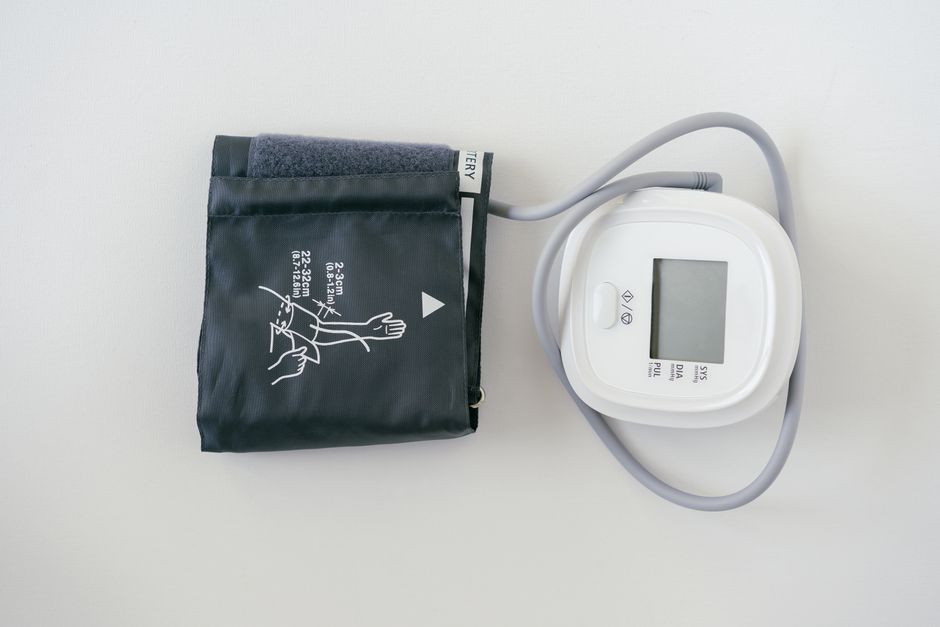
If you feel lightheaded or dizzy from low blood pressure, the fastest way to raise it at home is to lie down and elevate your legs, drink a glass of water, and eat something salty. These steps can ease symptoms within minutes for many people. They do not treat the underlying cause, and they are not safe for everyone — if you have heart failure, kidney disease, or take blood pressure medication, talk to a clinician before trying them.
What Counts as Low Blood Pressure?
A blood pressure reading below 90/60 mmHg is generally considered low. That number comes from standard clinical reference ranges, not from a single study. But the reading alone does not define a problem.
Doctors call low blood pressure hypotension. It only matters clinically when it causes symptoms or when it drops suddenly. Many healthy people — especially younger adults and trained athletes — run naturally low and feel fine.
Symptoms that suggest low pressure is actually causing a problem include:
- Dizziness or lightheadedness, especially when standing up
- Fainting or near-fainting
- Blurred or fading vision
- Fatigue and trouble concentrating
- Nausea
- Cold, clammy, pale skin
One clarification worth knowing: the 90/60 cutoff is a rough guide, not a diagnostic line. A person can have a reading of 85/55 and feel completely normal, while someone at 95/65 may feel faint. Symptoms matter more than the number in most cases.
How To Raise Blood Pressure At Home Quickly
The steps below can raise blood pressure within minutes to hours. They work best for mild, temporary dips — not for a medical emergency or a chronic condition.
1. Lie down and raise your legs
Lie on your back and prop your legs up on pillows or a chair so they sit above heart level. Gravity moves blood from your legs back toward your heart and brain. This is one of the fastest physical maneuvers for feeling lightheaded from a sudden drop. It is also standard first aid for someone who feels faint.
2. Drink water — and drink it fast
Dehydration is one of the most common causes of a temporary dip. Drinking a large glass of water can raise blood pressure within 15 to 30 minutes in some people. Researchers call this the pressor response, and it is well documented, though the size of the effect varies a lot between individuals.
3. Eat something salty
Sodium helps the body hold onto water, which increases blood volume and can nudge pressure upward. This is why some clinicians advise people with certain types of chronic low blood pressure to eat more salt. It is not a universal recommendation. If you have high blood pressure, heart failure, or kidney disease, extra salt can be harmful. Ask your doctor before increasing sodium.
4. Have a caffeinated drink
Coffee or tea can cause a short-term rise in blood pressure. The effect is real but modest and tends to be strongest in people who do not drink caffeine regularly. It is a reasonable quick option for an occasional dizzy spell, not a daily fix.
5. Wear compression stockings
These are not instant, but they help prevent blood from pooling in the legs — a common cause of drops when standing. Graduated compression stockings are used clinically for certain types of low blood pressure, particularly the kind triggered by standing. They take time to put on and work over hours, not seconds.
6. Eat smaller, more frequent meals
Large meals can cause blood pressure to fall after eating, a pattern called postprandial hypotension. Eating smaller portions more often can reduce this. It is a preventive step rather than a fast fix.
What Causes Blood Pressure to Drop?
Low blood pressure has many possible causes, and the right response depends on which one applies to you. A quick fix at home helps symptoms, but it does not address the reason pressure fell.
Common causes include:
- Dehydration from not drinking enough, heat, or illness
- Standing up too fast — called orthostatic or postural hypotension
- Medications such as diuretics, some antidepressants, and drugs for high blood pressure
- Eating large meals, especially high-carbohydrate ones
- Prolonged bed rest
- Pregnancy, where blood vessels relax and pressure often runs lower
- Heart problems, hormone conditions, and severe infection
Orthostatic hypotension deserves a closer look. It is defined as a drop of at least 20 mmHg in systolic pressure or 10 mmHg in diastolic pressure within three minutes of standing. Those figures come from established clinical criteria. It becomes more common with age and is worth mentioning to a doctor, because it raises the risk of falls.
When Is Low Blood Pressure an Emergency?
Some drops in blood pressure are a medical emergency and cannot be managed at home. Call emergency services if you or someone else has:
- Fainting, or a loss of consciousness
- Chest pain
- Severe shortness of breath
- Confusion or trouble staying awake
- Cold, clammy, pale skin with a rapid pulse
- Signs of shock after bleeding, vomiting, or diarrhea
These signs can point to shock, a heart problem, or another serious condition. Fast action matters more than any home remedy in this situation. Do not try to raise blood pressure with food or drink while waiting for help if the person is confused or unconscious.
Can You Raise Blood Pressure With Diet and Lifestyle?
For people with ongoing low blood pressure, some daily habits can help keep it steadier. These are supportive measures, not treatments, and the evidence for each varies.
Fluids. Staying well hydrated is the most reliable everyday step. Drinking enough water helps maintain blood volume.
Sodium. Some clinicians recommend a higher salt intake for certain patients with chronic low blood pressure. This is a clinical decision, not a general rule, because of the risks to heart and kidney health in other people.
Smaller meals. Reducing meal size and limiting alcohol can lessen drops after eating.
Slow position changes. Standing up gradually, and flexing your legs before you rise, can reduce dizziness.
Compression. Compression stockings or abdominal binders are used for some forms of low blood pressure. Evidence supports their use in specific types, though not as a universal remedy.
What about supplements and products marketed for low blood pressure? The evidence here is limited. No large human trials confirm that most over-the-counter products raise blood pressure safely or effectively. Treat strong marketing claims with caution.
Should You Try to Raise Blood Pressure on Your Own?
Self-treating low blood pressure is reasonable for mild, occasional symptoms in a person who is otherwise healthy. It is not reasonable as a substitute for medical care when symptoms are frequent, severe, or unexplained.
Talk to a clinician if you have repeated dizzy spells, have fainted, or notice your symptoms are getting worse. Low blood pressure can be a sign of an underlying condition — including heart, hormone, or neurological problems — that home steps will not fix.
Also check your medications. Some of the most common causes of low blood pressure are prescription drugs, and a dose adjustment made by a doctor can solve the problem at its source. Never stop or change a medication on your own.
Frequently Asked Questions
How can I raise my blood pressure quickly at home?
Lie down with your legs elevated above heart level, drink a large glass of water, and eat something salty if it is safe for you. These steps can ease mild symptoms within minutes to about half an hour.
What should I eat to raise low blood pressure?
Salty foods and fluids can help the body hold onto water and raise blood volume. If you have heart failure, kidney disease, or high blood pressure, ask your doctor before increasing salt.
Is low blood pressure dangerous?
For many healthy people it is not, but it can be serious when it causes fainting, chest pain, confusion, or signs of shock. Those symptoms need emergency medical care.
Does drinking water raise blood pressure?
Yes, drinking water can raise blood pressure within about 15 to 30 minutes in some people, though the effect varies. It works best when dehydration is part of the cause.
