
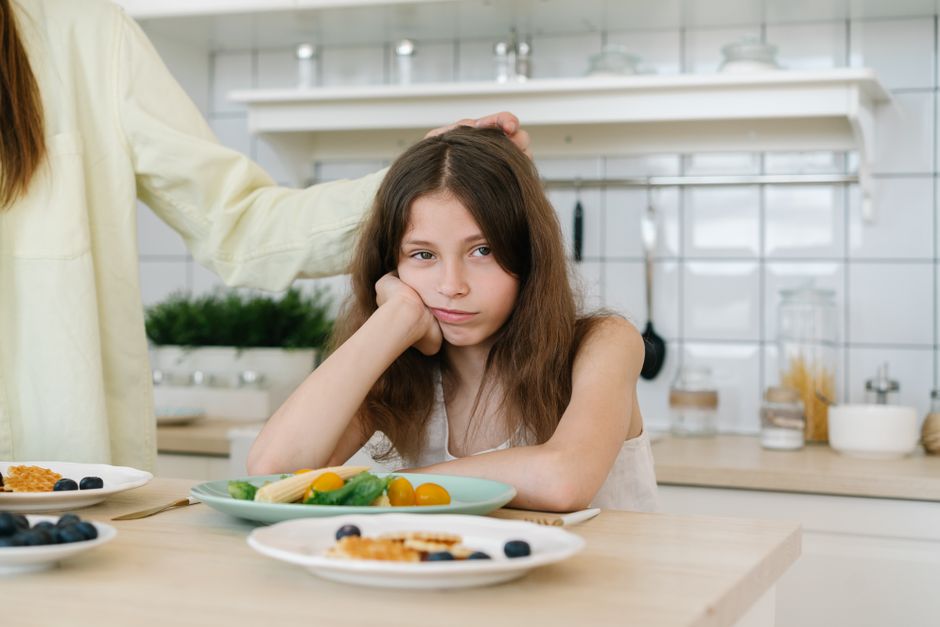
Most children are not born picky eaters. They become picky through a mix of biology, environment, and learned behavior. The good news is that you can shape your child’s eating habits from the very first bite of solid food. The core principle is simple: offer a wide variety of real foods repeatedly, without pressure, and let your child decide how much to eat. Your job is to decide what food is offered. Your child’s job is to decide whether and how much to eat.
What Makes a Child a Picky Eater?
Picky eating often peaks between ages 2 and 6. But the foundation is laid much earlier. Babies are born with a natural preference for sweet tastes and a wariness of bitter ones. This is an evolutionary survival mechanism. It does not mean your child is destined to reject broccoli forever.
Food neophobia is the fear of new foods. It is a normal developmental stage. It typically appears around 18 months. But children who are exposed to many flavors early on tend to have less severe neophobia. The window for flavor learning starts in the womb. Amniotic fluid carries flavors from the mother’s diet. Breast milk does the same. If you eat a varied diet during pregnancy and breastfeeding, your baby is already familiar with those flavors.
How To Raise A Non Picky Eater From Day One?
Start with single-ingredient purees, but do not stop there. Move quickly to mashed textures and soft finger foods. The American Academy of Pediatrics recommends introducing solids around 6 months. By 8 to 10 months, most babies can handle soft, chopped table foods. Delaying textured foods past 10 months is linked to more feeding difficulties later.
Offer bitter vegetables early. Sweet potatoes and carrots are easy wins. But green beans, peas, and spinach teach the palate to accept less sweet flavors. Pair a new vegetable with a familiar food. This is called associative learning. It works because the familiar flavor reduces the fear response to the new one.
Do not hide vegetables in purees and then stop. Some parents hide spinach in smoothies and call it a win. This can backfire if the child never learns the actual taste and texture. The goal is for your child to recognize and accept vegetables as food, not just as hidden ingredients.
Why Repeated Exposure Is the Most Powerful Tool
Research consistently shows that children need multiple exposures to a new food before they accept it. The number often cited is 8 to 15 exposures. That does not mean 8 bites. It means 8 separate occasions where the food is on the plate. Just seeing it counts. Smelling it counts. Touching it counts. Tasting is the last step.
Do not give up after two or three refusals. Many parents interpret a turned head as a permanent rejection. It is not. It is a single data point in a long learning process. Keep offering the food in a neutral, low-pressure way. Do not bribe, coerce, or negotiate. Those tactics increase anxiety around food and can make pickiness worse.
Texture matters as much as taste. Some children reject foods because of how they feel in the mouth, not how they taste. This is common with mushrooms, cooked tomatoes, and certain meats. Try preparing the same vegetable in different ways. Roasted, steamed, mashed, or raw. A child who rejects steamed carrots may accept roasted ones. The flavor is sweeter and the texture is firmer.





What To Do When Your Child Refuses a Food
Stay calm. Do not make a second meal. This is one of the most important rules. If you cook a separate meal every time your child refuses the family dinner, you are training them to hold out for the backup option. Offer one meal for the whole family. Include at least one food your child already likes. This is called the “safe food” strategy. It ensures your child eats something while still being exposed to new items.
Do not use dessert as a reward. Research indicates that using sweets as a reward for eating vegetables actually reduces the preference for the vegetable. It teaches the child that vegetables are a chore and dessert is the prize. Instead, serve dessert occasionally as part of the meal, not as a reward for eating something else.
Let your child leave the table when they are done. Forcing a child to sit until they finish everything on the plate can create power struggles. It also interferes with a child’s natural ability to recognize fullness. This is linked to overeating later in life. Trust your child’s hunger signals. They are usually accurate.
How to Involve Your Child in Food Choices
Involvement does not mean giving a toddler full control over the menu. It means offering structured choices. “Do you want broccoli or green beans with dinner?” This gives the child a sense of control while keeping both options healthy. This works better than asking “What do you want for dinner?” which opens the door to chicken nuggets.
Take your child grocery shopping. Let them pick a new fruit or vegetable each week. They are more likely to try something they chose themselves. In the kitchen, give age-appropriate tasks. A 2-year-old can wash vegetables. A 4-year-old can stir. A 6-year-old can measure ingredients. Children who help prepare food are more invested in eating it.
Grow a small herb garden or a tomato plant. The connection between where food comes from and what is on the plate is powerful. Even a single pot of basil on a windowsill can spark curiosity about food. This does not guarantee acceptance, but it builds a positive relationship with food that extends beyond the dinner table.
What To Do About Snacks and Drinks
Snacks can sabotage mealtime. Unlimited snacking fills the stomach before dinner. This reduces appetite for the foods you actually want your child to eat. Offer snacks at set times, not on demand. Keep snacks small. A piece of fruit and a cheese stick is plenty. Do not snack within an hour of a meal.
Drinks matter more than most parents realize. Juice is a major culprit. It is high in sugar and low in fiber. It fills the stomach and reduces appetite for solid food. The American Academy of Pediatrics recommends no more than 4 ounces of juice per day for children 1 to 3 years old, and 4 to 6 ounces for children 4 to 6 years old. Water should be the primary drink. Milk is fine but should not be unlimited. Too much milk can also reduce appetite.
Do not use flavored milk or juice to get your child to drink. This teaches a preference for sweetened beverages. It is a hard habit to break. Plain water and plain milk are the only drinks most children need.
When Should You Worry About Picky Eating?
Most picky eating is a phase. But some cases warrant medical attention. Seek help if your child is losing weight, failing to gain weight, or falling off their growth curve. This is a red flag regardless of how varied their diet seems. Also seek help if your child has severe gagging or vomiting with certain textures. This can indicate a sensory processing issue or an oral motor problem.
If your child eats fewer than 10 to 20 different foods and refuses entire food groups, this may be more than typical pickiness. It could be avoidant restrictive food intake disorder, or ARFID. This is a recognized eating disorder. It is not just stubbornness. It requires professional evaluation.
Talk to your pediatrician early rather than late. Feeding problems are easier to address when they are caught early. A pediatrician can refer you to a feeding specialist or a pediatric dietitian. These professionals can assess whether the issue is behavioral, sensory, or medical. Do not wait until your child is severely underweight to get help.
Frequently Asked Questions
How many times should I offer a new food before giving up?
Research suggests it can take 8 to 15 exposures before a child accepts a new food. Keep offering it in a low-pressure way without forcing your child to eat it.
Should I hide vegetables in my child’s food?
Hiding vegetables can increase nutrient intake, but it does not teach your child to accept the taste and texture of vegetables. Offer vegetables visibly and in different preparations alongside familiar foods.
Is it okay to make a separate meal for a picky eater?
Making a separate meal teaches your child that refusing dinner gets them a preferred alternative. Offer one family meal that includes at least one food your child already likes.
When does picky eating become a medical concern?
Seek medical help if your child is losing weight, falling off their growth curve, or eating fewer than 10 to 20 foods. Severe gagging or refusal of entire food groups also warrants professional evaluation.
