
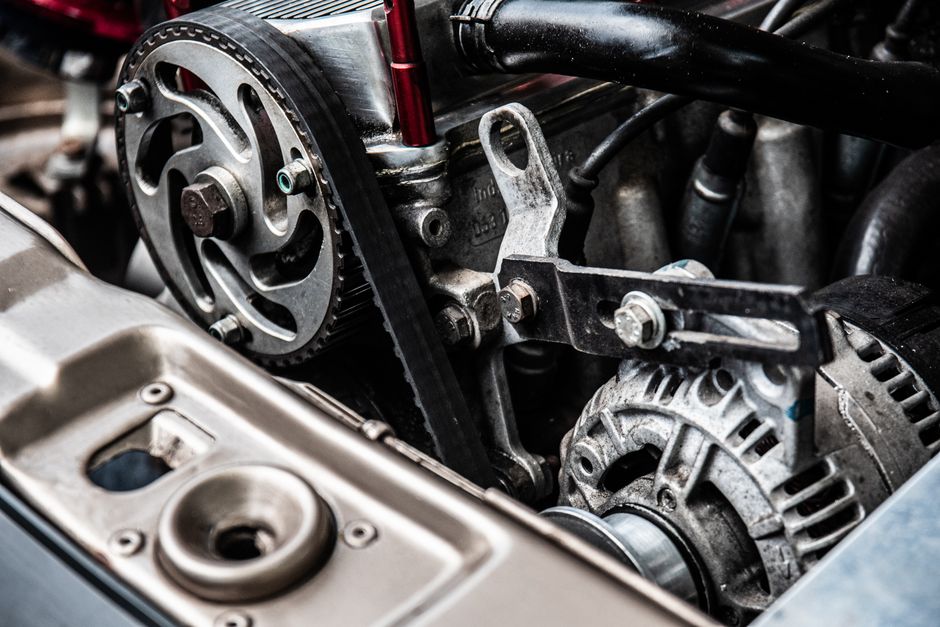
Engine noise is usually a symptom, not a single problem. The loudest and most common culprits are worn engine mounts, low or degraded oil, and loose or failing accessory components like belts, pulleys, and heat shields. Fixing noise starts with identifying which of these is actually making the sound. Chasing the wrong one wastes money and leaves the noise in place.
This guide explains what each source sounds like, why it happens, and what the evidence and standard repair practice say about quieting it. It is general information, not a diagnosis for your specific vehicle. A qualified mechanic who can hear the noise in person is the only reliable way to confirm the cause.
How To Quiet Engine Noise Oil Mounts And More
Quieting engine noise comes down to three separate jobs: keeping oil at the right level and condition, replacing worn engine mounts, and tightening or replacing loose accessory parts. Each addresses a different type of noise. Engine mounts and oil are the two most often confused, so it helps to know what each one actually does.
What oil does for noise
Oil’s main job is lubrication, not soundproofing. It reduces friction between moving metal parts. When oil is low, old, or the wrong viscosity, friction rises and you get more mechanical clatter, especially on cold starts. That clatter is the engine telling you lubrication is not what it should be.
Oil does not “quiet” an engine in the way a sound deadener does. It prevents the friction that creates noise in the first place. That distinction matters, because no oil additive or thicker oil will fix a noise caused by a worn mount or a failing bearing.
What engine mounts do for noise
Engine mounts hold the engine in place and absorb the vibration it produces. They are typically made of rubber or a rubber-and-fluid design. Rubber hardens and cracks with age and heat. Fluid-filled mounts can leak. Once a mount fails, the engine moves more than it should, and you feel and hear vibration that was previously absorbed.
Worn mounts are one of the most common causes of a noise that seems to come from “everywhere” at idle. That is because the vibration transfers into the frame and body instead of being absorbed.
What Do Worn Engine Mounts Sound and Feel Like?
Worn engine mounts usually produce a low, heavy vibration rather than a sharp rattle. You often feel it through the steering wheel, the seat, or the floor, especially when the car is idling in gear. The noise tends to be worse at a stop and smoother once you are moving.
Common signs include:
- A clunk or thud when you accelerate or shift from drive to reverse
- Excess vibration at idle that fades when you rev the engine slightly
- The engine visibly moving or rocking more than normal when you open the hood
- A rattle or knock over bumps that seems to come from under the hood
One clarification worth knowing: a failed mount does not usually damage the engine itself right away, but it does put extra stress on hoses, exhaust connections, and other mounts. Left long enough, one bad mount can accelerate wear on the others.
Can Low or Old Oil Cause Engine Noise?
Yes. Low oil, old oil, or the wrong oil can all increase engine noise. The mechanism is straightforward: less or degraded lubrication means more metal-to-metal friction, and friction is noisy. A dry or starved engine also wears faster, which is the bigger concern than the sound itself.
Signs that oil is contributing to noise include a ticking or tapping sound on cold start that fades as the engine warms, or a general increase in mechanical clatter. Check the oil level with the engine off and on level ground, following your owner’s manual. If the level is low, top it off with the grade the manufacturer specifies.
Follow the oil change interval in your owner’s manual rather than a generic number. Modern engines and oils have different intervals, and the manufacturer’s schedule is the reference point. If the noise continues after the oil is correct, the oil is probably not the cause.
What Other Parts Make Engine Noise?
Many noises blamed on the engine come from parts attached to it. These are often cheaper and easier to fix than internal engine problems, which is why identifying them correctly matters.
Belts and pulleys
A worn serpentine belt can squeal or chirp, especially on startup or in damp weather. A failing pulley or tensioner can produce a rhythmic squeak or grinding. These sounds usually change with engine speed and can often be isolated by a mechanic with the belt removed.
Heat shields and exhaust
A loose heat shield produces a metallic buzz or rattle that is often loudest at certain RPMs or over bumps. Exhaust leaks can create a ticking or hissing sound. These are common and usually inexpensive to address once located.
Internal engine noise
Deep knocking, heavy ticking that does not fade when warm, or a rhythmic thud from inside the engine can point to internal wear. These are more serious and should be checked promptly by a mechanic. Do not assume an additive will resolve them.
Do Oil Additives and Sound Treatments Actually Work?
The evidence for oil additives quieting a noisy engine is limited. Some products may temporarily change oil viscosity or reduce friction slightly, but no additive repairs a worn mount, a failing bearing, or a loose belt. Marketing claims about “restoring” a quiet engine are not supported by strong independent testing.
Sound deadening materials work differently. They reduce how much noise reaches the cabin, but they do not fix the source. Adding sound insulation can make a car quieter to sit in while the underlying problem continues to worsen. That is a comfort fix, not a repair.
If a noise is new, the honest approach is to find the cause rather than mask it. A cheap diagnosis now often prevents an expensive repair later.
When Should You See a Mechanic About Engine Noise?
See a mechanic promptly if the noise is new, getting worse, or accompanied by a warning light, smoke, overheating, or a drop in oil pressure. Those combinations can indicate a problem that gets more expensive the longer it is ignored.
Noises that are steady, mild, and unchanged for a long time are lower priority but still worth checking at your next service. A mechanic can often identify the source quickly by listening with the hood open and using a stethoscope or by briefly removing the accessory belt.
Be cautious with online diagnoses. A single sound can have several possible causes, and recordings rarely capture enough detail to separate them reliably. In-person inspection remains the standard.
How Do You Prevent Engine Noise in the First Place?
Most engine noise is preventable with basic maintenance. The main habits that help are keeping oil at the correct level and condition, replacing worn belts and mounts before they fail completely, and addressing small rattles early.
Follow the maintenance schedule in your owner’s manual. Check oil regularly between changes. Have mounts and belts inspected as the car ages, since rubber parts degrade with heat and time regardless of mileage. Catching a worn mount early is far cheaper than replacing several at once after one fails.
Frequently Asked Questions
What does a bad engine mount sound like?
A bad engine mount usually sounds like a low clunk or thud, often when accelerating or shifting between drive and reverse. You may also feel extra vibration at idle that fades once the car is moving.
Can changing oil make my engine quieter?
Fresh oil at the correct level and grade can reduce friction-related clatter, especially if the old oil was low or degraded. It will not fix noise caused by a worn mount, belt, or internal engine wear.
Do oil additives really quiet engine noise?
Evidence that oil additives quiet a noisy engine is limited, and no additive repairs a worn part. If a noise is new or getting worse, finding the cause is more reliable than adding a product.
Is it safe to drive with a bad engine mount?
Short trips are usually possible, but a failing mount puts stress on hoses, exhaust parts, and the other mounts. Have it inspected soon rather than delaying, since one failure can accelerate wear on the rest.
