
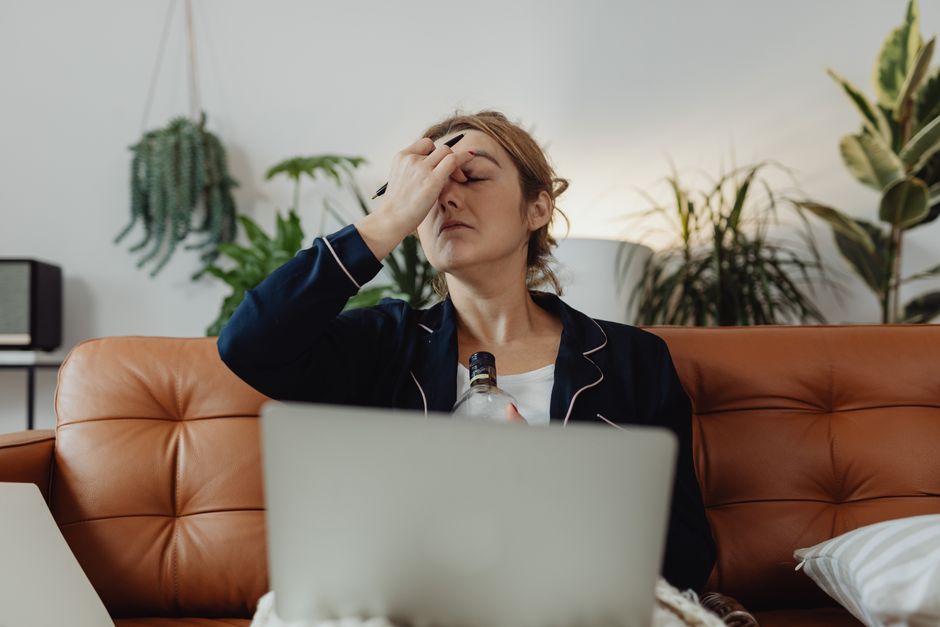
Nothing speeds up sobering. Your liver clears alcohol at a rate that is essentially fixed, and no coffee, cold shower, or plate of greasy food changes it. The only thing that reliably lowers your blood alcohol level is time. Everything else people swear by is either a comfort measure or a myth.
That matters because the myths are not just useless. Some are dangerous. Drinking coffee to “wake up” can make you feel alert while you are still legally drunk, which is how people end up driving when they should not. Below is what the evidence actually shows about sobering up, what is proven, what is false, and what to do instead.
How To Quickly Sober Up From Alcohol Fact Vs Myth
Alcohol is cleared by the liver at roughly one standard drink per hour for most adults. That figure is an average, not a rule, and it varies with body size, sex, age, liver health, food in the stomach, and genetics. The key point is that the rate is set by your body, not your willpower or your coffee intake.
A standard drink in the US contains about 14 grams of pure alcohol. That is roughly a 12-ounce regular beer at about 5% alcohol, a 5-ounce glass of wine at about 12%, or a 1.5-ounce shot of distilled spirits at about 40%. Knowing this matters because people routinely underestimate how much they have had when drinks are poured freely or served in large glasses.
Here is the honest split between fact and myth:
- Time is the only thing that lowers blood alcohol. This is established physiology, not opinion.
- Coffee does not sober you up. Caffeine is a stimulant. It can make you feel more awake. It does not reduce the alcohol in your blood.
- A cold shower does not sober you up. It may shock you into alertness for a few minutes. Your blood alcohol is unchanged.
- Food does not sober you up. Eating before or during drinking can slow how fast alcohol is absorbed. Once it is in your bloodstream, food does not speed its removal.
- Water does not sober you up. Hydration helps you feel better and may reduce hangover severity. It does not clear alcohol faster.
- Vomiting does not sober you up. It may remove alcohol still in the stomach, but alcohol already absorbed stays in your blood.
- Walking it off does not sober you up. Movement does not increase the rate at which the liver processes alcohol.
Why Can’t You Speed Up How Fast Your Body Clears Alcohol?
Alcohol is broken down mainly in the liver by an enzyme called alcohol dehydrogenase, which converts it to acetaldehyde. A second enzyme, aldehyde dehydrogenase, then converts acetaldehyde to acetate, which the body uses as fuel. This is a chemical assembly line, and it runs at a limited pace.
The rate-limiting step is the enzyme capacity itself. When alcohol is present in large amounts, the liver processes it at a near-constant rate regardless of how much is in your blood. That is why blood alcohol rises with each drink faster than the liver can clear it, and why it falls slowly and steadily once drinking stops.
Some people clear alcohol faster than others. Body composition, liver size, sex, age, and genetic differences in enzyme activity all play a role. People who drink heavily over time can develop tolerance, meaning they feel less impaired at the same blood alcohol level. Tolerance does not mean they are less drunk. Their blood alcohol is the same; their brain has adapted to it. This is an important distinction, because feeling “fine” is not the same as being under the legal limit.
There is no supplement, drink, or product approved to accelerate alcohol metabolism. Some products marketed as hangover remedies claim to speed clearance. No clinical evidence currently confirms that any of them reduce blood alcohol or shorten the time you are impaired.
Does Coffee Really Sober You Up?
No. Caffeine reduces drowsiness but does not lower blood alcohol or improve the actual impairment that matters for driving and safety. This is one of the most studied myths in alcohol research, and the finding is consistent.
What caffeine does is mask the feeling of being drunk. People who have had caffeine after drinking tend to feel more alert and may believe they are more capable than they are. Research has consistently found that this combination does not restore impaired judgment, reaction time, or coordination. In practical terms, a coffee-drinking drunk driver is a more confident drunk driver, which is worse, not better.
The same logic applies to energy drinks mixed with alcohol. The stimulant does not cancel the depressant. It hides it. Several public health bodies have warned about this combination for exactly that reason.
What Actually Helps You Recover After Drinking?
Nothing removes alcohol faster, but some things genuinely help you feel better and reduce risk while your body does the work. These are comfort and safety measures, not sobering measures, and the distinction matters.
Stop drinking. This is the only step that stops blood alcohol from rising further. Everything else is recovery, not reversal.
Drink water. Alcohol increases urine output, and dehydration contributes to many hangover symptoms. Water will not lower your blood alcohol, but replacing lost fluid helps you feel better.
Eat something bland if you can tolerate it. Food does not sober you up, but it can ease nausea and settle your stomach. There is no evidence that any specific food speeds recovery.
Rest and sleep. Sleep is when your body does much of its routine recovery. It does not speed alcohol clearance, but it is the most useful thing you can do once you have stopped drinking.
Do not drive or operate machinery. This is not a comfort tip. It is a safety rule. If you have been drinking, your blood alcohol may still be above the legal limit even if you feel normal. In the US, the legal limit for driving is a blood alcohol concentration of 0.08%. You cannot reliably judge your own level by how you feel.
Some over-the-counter pain relievers are used for hangover headaches. Be careful with acetaminophen after heavy drinking. The combination of alcohol and acetaminophen can stress the liver, and the risk is higher with regular heavy use. If you are unsure, ask a pharmacist. This is a case where the safe choice is worth checking.
What Are the Signs of Dangerous Alcohol Levels?
Most people who drink too much feel awful the next day and recover. Some reach a level where the body’s basic functions are threatened. Knowing the difference matters because alcohol poisoning is a medical emergency.
Blood alcohol concentration is measured as a percentage. At 0.08%, driving is illegal in all US states. Impairment begins well before that. As levels rise, coordination, speech, and judgment decline. At high levels, breathing and heart rate can be affected, and consciousness can be lost.
Call emergency services if someone who has been drinking has any of these signs:
- Confusion or cannot be woken
- Vomiting repeatedly
- Slow or irregular breathing
- Pale or bluish skin, or feeling cold to the touch
- Seizures
Do not leave a person like this to “sleep it off.” Alcohol poisoning can worsen while someone is unconscious. Do not give them coffee or try to make them walk. Keep them safe and get medical help.
One more thing worth knowing: the legal limit is not a safety line. Impairment starts at lower levels, and individual tolerance varies. A person can be dangerous behind the wheel below 0.08%, especially if they are tired or inexperienced with alcohol.
How Long Until You Are Actually Sober?
As a rough guide, blood alcohol falls by about 0.015% per hour for a typical adult. That is an average, and it varies. It is not a personal calculation you should rely on.
This is why “one drink per hour” advice is misleading. It describes an average clearance rate, not a safe drinking pace. If you drink faster than your body clears, your blood alcohol climbs. If you stop, it falls slowly. A person at 0.15% might need many hours to reach zero, and they may feel fine long before they are.
There is no shortcut. The honest answer to “how do I sober up fast” is that you cannot. You can stop drinking, stay safe, hydrate, and wait. If you need to be sober for a specific time, the only reliable plan is to not drink, or to drink less and earlier than you think you need to.
Frequently Asked Questions
Does drinking water sober you up?
No. Water helps with dehydration and may ease hangover symptoms, but it does not lower blood alcohol or speed up how fast your liver clears alcohol.
How long does it take to sober up from one drink?
For a typical adult, blood alcohol falls by about 0.015% per hour, so one standard drink is usually cleared in roughly an hour. This is an average and varies with body size, sex, food, and liver health.
Can you sober up by throwing up?
No. Vomiting may remove alcohol still in the stomach, but alcohol already absorbed into your bloodstream stays there until your liver clears it.
Does coffee help you drive after drinking?
No. Caffeine can make you feel more alert but does not restore impaired reaction time, judgment, or coordination, so it does not make driving safe after drinking.
