
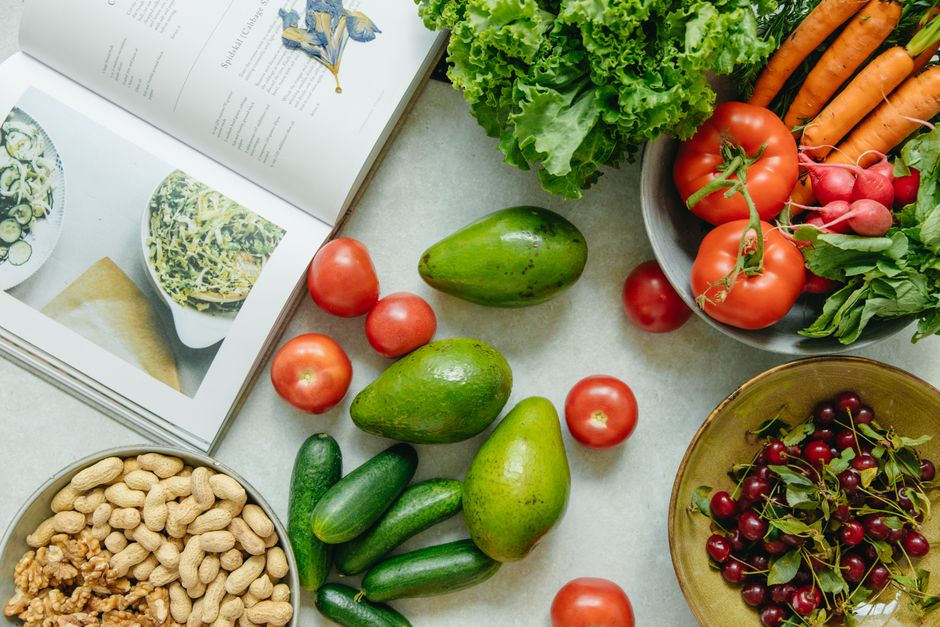
You bought a bag of rock-hard avocados, and now you want guacamole tonight. The fastest reliable method is to trap the fruit in a paper bag with a ripe banana or apple at room temperature. That bag speeds up ethylene gas, the natural plant hormone that drives ripening, and a firm avocado can soften in one to three days. If you need it soft in an hour, heat is your only realistic option — but it changes the texture.
Why Are Avocados So Hard When You Buy Them?
Avocados do not ripen on the tree the way peaches or bananas do. A mature avocado can hang on the branch for months and stay firm, because the tree keeps supplying it with a growth inhibitor. Once it is picked, that supply stops, and the ripening process begins.
The trigger is ethylene, a gas the fruit produces itself. Ethylene sets off enzymes that break down pectin, the glue holding the fruit’s cell walls together. As pectin breaks down, the flesh softens. Starch converts to sugar, which is why a ripe avocado tastes sweeter and creamier than a hard one.
Growers pick avocados while they are still firm so they survive shipping. Some are treated with ethylene at the packing house to start the process. Others are shipped hard and expected to ripen on the shelf or in your kitchen. That is why two avocados from the same bin can be days apart in ripeness.
One detail worth knowing: an avocado that never softens is usually not a ripening problem. It was likely picked too early, before it had stored enough oil. No bag, banana, or oven will fix that fruit. It will eventually rot without ever turning creamy.
How To Quickly Ripen Avocados With a Paper Bag
The paper bag method is the most dependable home technique. It works because the bag traps the ethylene the avocado releases, raising the concentration around the fruit instead of letting it drift away into the room.
Adding a ripe banana or apple makes it faster. These fruits release a lot of ethylene themselves, and a ripe one is producing more than an unripe avocado. The bag concentrates all of it.
- Place the avocados in a clean paper bag. Paper breathes slightly, which is what you want.
- Add one ripe banana or one ripe apple. Do not use an overripe, moldy fruit.
- Fold the top of the bag closed loosely. Do not seal it airtight.
- Leave it on the counter at room temperature. Check once or twice a day by pressing gently near the stem.
A firm avocado typically softens in one to three days this way. A very hard one may take longer. Results depend on how mature the fruit was when picked and how warm your kitchen is.
Skip the plastic bag. Plastic traps moisture along with ethylene, and excess moisture encourages mold. Paper is the better choice for this job.
Does Putting an Avocado in Rice or Flour Actually Work?
Burying an avocado in a bin of rice or flour is a popular trick, and it does speed things up — but not for the reason most people think. Rice and flour do not contain ethylene. They work by burying the fruit, which traps the ethylene gas it produces in the small spaces between the grains.
It is essentially the same principle as a paper bag, just messier. The method has real downsides. Flour and rice can harbor mold, and a buried avocado is easy to forget until it is overripe. Rice also tends to leave a starchy film on the skin.
If you want the effect without the mess, a paper bag does the same job with less risk. There is no evidence that rice or flour ripens an avocado faster than a bag with a ripe banana.
Can You Ripen an Avocado in the Oven or Microwave?
Heat will soften an avocado in minutes. It will not ripen it. This distinction matters, because the texture and flavor are not the same.
Ripening is a biological process. Enzymes break down pectin, starch turns to sugar, and flavor compounds develop over days. Heat does not do any of that. It simply cooks the flesh, breaking down cell walls through a different mechanism.
What you get from a microwave is a warm, slightly rubbery avocado. It works in a pinch if you are mashing it into a smooth guacamole and the texture will not be noticed. It does not work for slices on toast or a salad, where the flesh needs to hold its shape.
If you do use a microwave, short bursts of about 10 to 15 seconds are the practical approach, checking between each one. Avocados heat unevenly, and the flesh can go from firm to mushy fast. This is a workaround, not a ripening method, and it should be treated that way.
How Long Does It Take to Ripen an Avocado at Room Temperature?
Left on the counter with no help, a firm avocado usually ripens in about three to five days. The exact time depends on how mature it was at harvest and how warm the room is. Warmer temperatures speed the process; a cool kitchen slows it down.
Here is how the common methods compare:
| Method | Typical time | Effect on texture |
|---|---|---|
| Counter, no bag | 3 to 5 days | Normal ripening, best quality |
| Paper bag alone | 2 to 4 days | Normal ripening |
| Paper bag with ripe banana or apple | 1 to 3 days | Normal ripening, faster |
| Refrigerator | Very slow or none | Stalls ripening |
| Microwave or oven | Minutes | Cooks the flesh, does not ripen |
Cold is the enemy of ripening. Ethylene production drops sharply at refrigerator temperatures, and the enzymes that soften the fruit slow down. That is why an unripe avocado put in the fridge may sit firm for a week or more.
Once an avocado is ripe, the fridge becomes your friend. Move it there and it will hold for several days instead of going soft and brown on the counter.
How Do You Know When an Avocado Is Ready?
Gentle pressure near the stem is the most reliable test. Cup the avocado in your palm and press with your thumb just below where the stem attaches. A ripe avocado gives slightly and feels like it will yield with a bit more pressure. A hard one does not move at all.
Color is a weaker signal. Hass avocados darken as they ripen, from green to nearly black, but some varieties stay green when ripe. Color alone will mislead you.
If you are unsure, flick the small stem cap. On a ripe avocado it comes off easily and reveals green flesh underneath. If the cap resists, the fruit needs more time. If the flesh under the cap is brown, it is past its best.
An overripe avocado feels mushy and may show dark streaks inside. It is still safe to eat if it smells fine and has no mold, but the flavor turns off and the texture breaks down. Use those for smooth guacamole or blended dressings rather than slicing.
Can You Speed Up Ripening Without a Bag?
You can, though it is slower. The key is to keep the ethylene close to the fruit and keep the fruit warm. A bowl on top of the refrigerator works reasonably well, since that spot tends to be warmer than the rest of the kitchen.
Grouping several avocados together helps too. They share the ethylene they produce, so a cluster ripens faster than a single fruit sitting alone. Adding a ripe banana to the group speeds it further.
What does not help: putting them in direct sun, which can heat them unevenly and cause off flavors, or wrapping them tightly in plastic, which traps moisture and invites mold. Room temperature and good airflow around the fruit is the practical balance.
Frequently Asked Questions
How can I ripen an avocado in one day?
Put it in a paper bag with a ripe banana or apple and leave it at room temperature, checking every few hours. This can soften a firm avocado within one to three days, and a nearly ripe one may be ready sooner.
Does putting an avocado in rice really ripen it faster?
It can help, but only because burying the fruit traps the ethylene gas it releases, not because rice contains anything special. A paper bag does the same job with less mess and less risk of mold.
Can you ripen an avocado in the microwave?
A microwave softens an avocado by cooking it, not by ripening it, so the texture and flavor are different. Short bursts of about 10 to 15 seconds work for mashing, but not for slices.
Why is my avocado still hard after a week?
It was likely picked before it stored enough oil, which means it may never ripen properly. Fruit held in the refrigerator will also stay firm, since cold slows the ripening process.
