
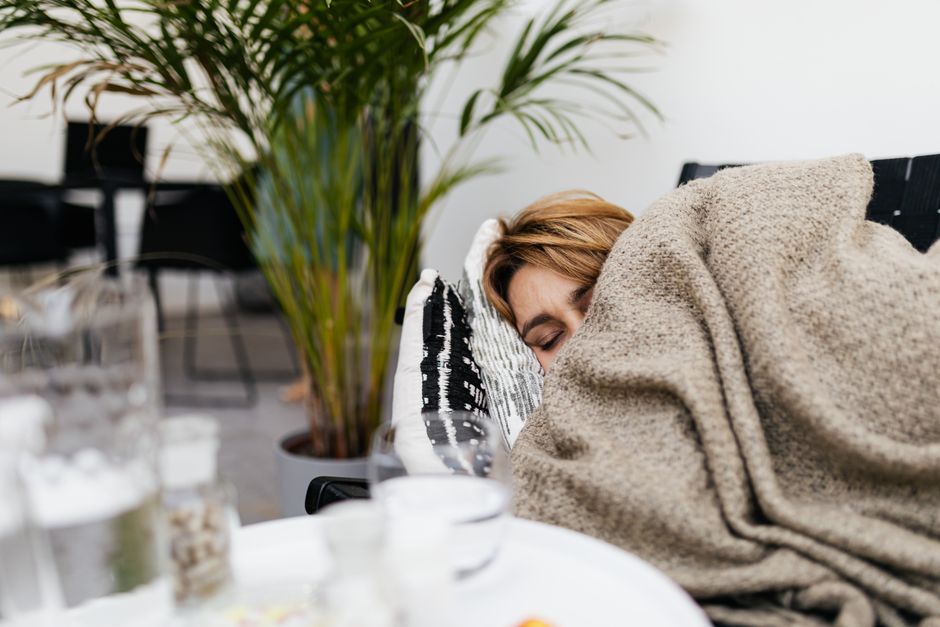
There is no cure for the common cold. The immune system clears it on its own, usually within 7 to 10 days. What you can do is manage symptoms, protect your sleep, stay hydrated, and avoid the things that make a cold last longer or turn into something worse. Rest and time do most of the real work.
How To Quickly Recover From A Cold What Works?
The single most useful thing you can do is rest and sleep. Sleep is when immune activity that fights infection is at its strongest. Cutting sleep short to push through a cold tends to backfire.
Beyond sleep, the practical steps are simple. Drink enough fluids. Keep your airway moist. Treat symptoms so you can function and rest. Do not smoke, and stay away from secondhand smoke, which irritates airways and slows healing.
Colds are caused by viruses, most often rhinoviruses. Antibiotics do nothing against them. Taking antibiotics for a cold does not speed recovery and adds risk of side effects and antibiotic resistance.
Most adults recover in about a week to ten days. A cough can linger for two to three weeks after other symptoms clear. That lingering cough is normal and does not mean the cold is getting worse.
Does Vitamin C or Zinc Actually Shorten a Cold?
The evidence for vitamin C is weak for most people. Taking it regularly does not appear to prevent colds in the general population, and starting it once symptoms begin has not been shown to shorten them meaningfully. Some research suggests a small benefit in people under heavy physical stress, such as endurance athletes, but that is a narrow group.
Zinc is more interesting and more debated. Some studies suggest zinc lozenges started within the first day or so of symptoms may modestly shorten cold duration. Other trials have found no benefit. Results vary widely, and the formulation, dose, and timing all seem to matter. Zinc lozenges can cause nausea and a bad taste, and zinc nasal sprays have been linked to loss of smell. That is a serious side effect. If you are considering zinc, talk to a pharmacist or clinician about the right form and dose rather than guessing.
Echinacea has been studied for decades. The evidence is mixed and inconsistent. No clinical evidence currently confirms it reliably shortens colds.
This is where honesty matters. Many products sold for colds have never been shown to work in good trials. Marketing is not evidence.
Do Over-the-Counter Cold Medicines Help or Just Mask Symptoms?
Most over-the-counter cold medicines treat symptoms. They do not shorten the cold. That is not a reason to skip them. Feeling better lets you sleep and function, and sleep supports recovery.
Decongestants can ease a stuffy nose. Antihistamines may help with sneezing and runny nose, though older sedating antihistamines mostly help by making you drowsy. Pain relievers like acetaminophen or ibuprofen ease sore throat, headache, and fever. Cough suppressants may reduce coughing, though the evidence for many cough medicines is limited.
Two cautions. First, many combination cold products contain the same ingredient, so taking more than one can lead to accidental overdose, especially with acetaminophen. Read labels. Second, decongestant pills are not appropriate for everyone, including people with uncontrolled high blood pressure or certain heart conditions. Ask a pharmacist if you are unsure.
For children, cold medicines are a separate matter. Cough and cold medicines should not be given to children under 4, and their use in young children has been linked to serious harm. Follow established guidance and check with a pediatric clinician.
Does Sleep and Hydration Really Matter That Much?
Yes, and this is one of the most underrated points. Research on sleep and immune function consistently shows that poor sleep weakens the body’s response to infection. Studies have found that people who sleep fewer hours are more likely to catch colds when exposed to cold viruses. Getting enough sleep while you are sick is not laziness. It is part of treatment.
Hydration matters too, but the goal is not to force gallons of water. Drink to thirst and keep urine pale yellow. Fever, sweating, and a runny nose lose fluid. Staying hydrated keeps mucus thinner and helps your throat and airway feel less raw.
Warm liquids are worth mentioning. Tea with honey can soothe a sore throat and may help loosen mucus. Honey has some evidence for easing cough in adults and older children. Do not give honey to infants under 1 year old because of the risk of infant botulism.
What About Steam, Salt Water, and Other Home Remedies?
Saline nasal rinses are a reasonable, low-risk option. They can flush mucus and ease congestion. Use distilled, sterile, or previously boiled and cooled water. Never use untreated tap water for nasal rinsing because of the risk of serious infection from organisms in water.
Steam and humidified air may ease congestion and soothe irritated airways. The evidence is not strong, but the risk is low. A warm shower or a cool-mist humidifier in the room is a simple option.
Gargling with warm salt water may temporarily ease a sore throat. It will not cure the cold, but it can make swallowing less painful.
Chicken soup has been studied, and some research suggests it may have mild anti-inflammatory effects and help with hydration. It is not a treatment, but it is comforting and hydrating.
When Should You See a Doctor Instead of Waiting It Out?
Most colds do not need medical care. Some situations do. Seek medical advice if symptoms last more than about 10 days without improving, or if they improve and then get worse again. That pattern can suggest a secondary bacterial infection such as sinusitis or an ear infection.
Get care promptly for a high fever, trouble breathing, chest pain, severe headache, stiff neck, confusion, or a fever in an infant. These are not typical cold symptoms and need evaluation.
People with asthma, COPD, weakened immune systems, or other chronic conditions should check with a clinician early. A cold can trigger flare-ups in these groups.
What Actually Slows Recovery?
Smoking and secondhand smoke are the biggest avoidable setbacks. Smoke irritates airways and impairs the tiny hairs that clear mucus, which can make a cough last longer.
Alcohol can disrupt sleep and dehydrate you. Pushing through with too little rest tends to prolong symptoms. And taking antibiotics for a viral cold does not help and can cause harm.
There is also a common misconception worth correcting. A cold is not caused by being cold or wet. Cold weather may correlate with more colds because people spend more time indoors in close contact, but the virus is the cause, not the temperature.
Frequently Asked Questions
How long does a cold usually last?
Most colds clear in about 7 to 10 days, though a cough can linger for 2 to 3 weeks. A lingering cough after other symptoms fade is common and usually not a sign of something worse.
Does zinc really shorten a cold?
Some studies suggest zinc lozenges started early may modestly shorten colds, but results vary and zinc nasal sprays have been linked to loss of smell. Ask a pharmacist before using zinc.
Should I take antibiotics for a cold?
No. Colds are caused by viruses, and antibiotics do not work against viruses. Taking them for a cold adds side effects and antibiotic resistance risk without helping you recover.
Can I exercise with a cold?
Light activity may be fine if symptoms are above the neck and you feel up to it, but rest is the priority. Skip intense exercise while you have a fever or feel run down.
