

You just finished a big meal and your stomach feels like it is still working on it an hour later. The honest answer is that you cannot force digestion to speed up — it is an automatic process controlled by your nervous system and hormones. What you can do is stop slowing it down and give your body the conditions it needs to move food along at its normal pace. That means eating less at once, staying upright, moving gently, and avoiding the things that measurably delay stomach emptying.
How Long Does Digestion Actually Take?
Before you try to speed anything up, it helps to know what normal looks like. Digestion is not one process. It is a relay race through several organs, and each leg has its own timing.
Once you swallow, food reaches your stomach within seconds. The stomach then churns it into a semi-liquid mixture called chyme and releases it into the small intestine in small spurts. A typical mixed meal empties from the stomach in roughly two to four hours, though this varies widely with what and how much you ate.
Most nutrient absorption happens in the small intestine, which takes another several hours. The whole process — from first bite to the colon — usually runs somewhere between 24 and 72 hours for healthy adults. That wide range is normal. It is not a sign that something is wrong.
Here is the part most people miss: the stomach is almost always the bottleneck. When you feel “full” or “slow,” you are usually feeling delayed gastric emptying, not slow intestines. So the practical question is not how to speed up your whole digestive tract. It is how to help your stomach empty on schedule.
What Slows Digestion Down?
Several factors reliably delay stomach emptying. These are the levers worth knowing about.
- Large meal volume. A bigger meal takes longer to empty than a small one. This relationship is well established.
- Fat content. Fat slows gastric emptying more than carbohydrate or protein. This is a normal physiological response, not a problem.
- High-fiber meals. Fiber also slows emptying, which is part of why it helps with blood sugar and satiety. It is not a flaw.
- Lying down after eating. Gravity helps move stomach contents downward. Reclining works against that.
- Very cold or very hot drinks in large amounts. Some evidence suggests extreme temperatures can temporarily affect stomach motility, though the effect is modest.
- Stress and anxiety. The gut has its own nervous system that responds to stress signals. Acute stress can slow or speed things up depending on the person.
- Certain medications. Opioids, some antidepressants, and anticholinergic drugs are well known to slow gut motility.
- Alcohol in large amounts. It can irritate the stomach lining and disrupt normal motility.
Notice that fat and fiber are on this list. That is worth sitting with. The foods most often praised for health are also the ones that keep you full the longest. If your goal is to feel less sluggish after eating, the answer is not to avoid them — it is to adjust portion size and timing.
How To Quickly Digest Food: What Actually Helps
No food, drink, or supplement has been shown to meaningfully accelerate gastric emptying in healthy people. What follows are strategies that support normal digestion and remove the friction that slows it down.
Eat smaller meals more often
Meal volume is one of the strongest determinants of how long food sits in your stomach. Splitting a large meal into two smaller ones is one of the few changes with a clear physiological basis. It will not make digestion faster in absolute terms, but it reduces the load at any one time.
Stay upright for 30 to 60 minutes after eating
Gravity assists gastric emptying. Sitting or standing after a meal is measurably better than lying down. This is why clinicians advise people with reflux to avoid reclining right after eating — the same principle applies to general comfort.
Take a gentle walk
Light movement after a meal supports normal gut motility. A slow 10 to 15 minute walk is enough. Intense exercise is a different story — vigorous activity diverts blood flow away from the digestive tract and can cause cramping or nausea if done too soon after eating. Gentle is the key word.
Chew thoroughly
Chewing breaks food into smaller particles and mixes it with saliva, which contains enzymes that begin starch digestion. Smaller particles empty from the stomach faster than large ones. This is one of the few things fully under your control.
Drink water, but not in huge volumes during meals
Staying hydrated supports digestion overall. Drinking moderate amounts with meals is fine and does not dilute digestive enzymes enough to matter. Chugging very large volumes of liquid during a meal can add to stomach volume and make fullness worse.
Limit alcohol and heavy fat in the same meal
Both slow gastric emptying. If you want to feel lighter after eating, reducing either one — or both — in a single sitting will make a difference.



Do Digestive Enzymes or Probiotics Help?
This is where marketing runs far ahead of evidence. Walk down any pharmacy aisle and you will see products promising faster digestion. The reality is more modest.
Digestive enzymes are prescribed for specific conditions — pancreatic insufficiency, for example — where the body does not produce enough of its own. In healthy people with normal enzyme production, supplementing has not been shown in large trials to speed up digestion or reduce bloating meaningfully. Some people report benefit. That is not the same as demonstrated effect.
Probiotics are a different category. Some strains have evidence for specific conditions like antibiotic-associated diarrhea. But the evidence for general “faster digestion” in healthy adults is weak and inconsistent. Strains vary enormously, and most commercial products do not disclose enough to match them to a studied dose.
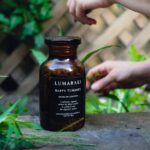
Apple cider vinegar, ginger shots, and “digestive bitters” have folk reputations but no strong clinical evidence supporting faster gastric emptying in healthy people. Some small studies on ginger suggest it may help with nausea, which is a different outcome from digestion speed.
The honest position: if you have a diagnosed digestive condition, work with a clinician. If you do not, no supplement has been shown to reliably accelerate normal digestion.
When Slow Digestion Is a Medical Sign
Occasional fullness after a large meal is normal. Persistent problems are not, and they deserve a medical evaluation rather than a supplement.
Gastroparesis is a condition where the stomach empties abnormally slowly without an obvious blockage. It is diagnosed by a gastric emptying study, not by symptoms alone. It is more common in people with long-standing diabetes, but it can occur for other reasons, and sometimes no cause is found.
See a doctor if you have:
- Persistent nausea or vomiting after eating
- Feeling full after only a few bites, most days
- Unintentional weight loss
- Severe abdominal pain
- Blood in vomit or stool
- Symptoms that have lasted more than a few weeks
These signs do not automatically mean gastroparesis or any specific condition. Many things can cause them. But they are not something to manage at home with over-the-counter products.
One clarification worth making: feeling bloated is not the same as slow digestion. Bloating often reflects gas, fluid shifts, or gut sensitivity rather than delayed emptying. The two get lumped together in conversation, but they are different problems with different approaches.
Does the Order You Eat Food In Matter?
You may have heard that eating vegetables before protein before carbs changes how fast you digest. There is some evidence that food order affects post-meal blood sugar responses, particularly in people with type 2 diabetes. Eating protein and vegetables before carbohydrate has been shown in some studies to blunt glucose spikes.
That is a real finding, but it is about blood sugar, not about how fast food leaves your stomach. Those are separate things. The order of eating has not been shown to meaningfully change total digestion time.
If your goal is comfort after eating, portion size and posture will do more than sequence. If your goal is blood sugar control, order may matter — but that is a different conversation with a different evidence base.
Frequently Asked Questions
What is the fastest way to digest food?
There is no way to force digestion to speed up, but eating smaller meals, staying upright for 30 to 60 minutes, and taking a gentle walk can help your stomach empty on schedule. These support normal digestion rather than accelerating it.
Does walking help you digest food faster?
Light walking after a meal supports normal gut motility, though it does not dramatically speed up digestion. Intense exercise too soon after eating can cause cramping or nausea because blood flow shifts away from the digestive tract.
Do digestive enzyme supplements actually work?
In healthy people with normal enzyme production, digestive enzyme supplements have not been shown in large trials to speed up digestion. They are prescribed for specific conditions like pancreatic insufficiency, where the body does not make enough enzymes on its own.
How long should food take to digest?
A typical mixed meal empties from the stomach in about two to four hours, and the full journey from eating to elimination usually takes 24 to 72 hours. That wide range is normal for healthy adults.
