
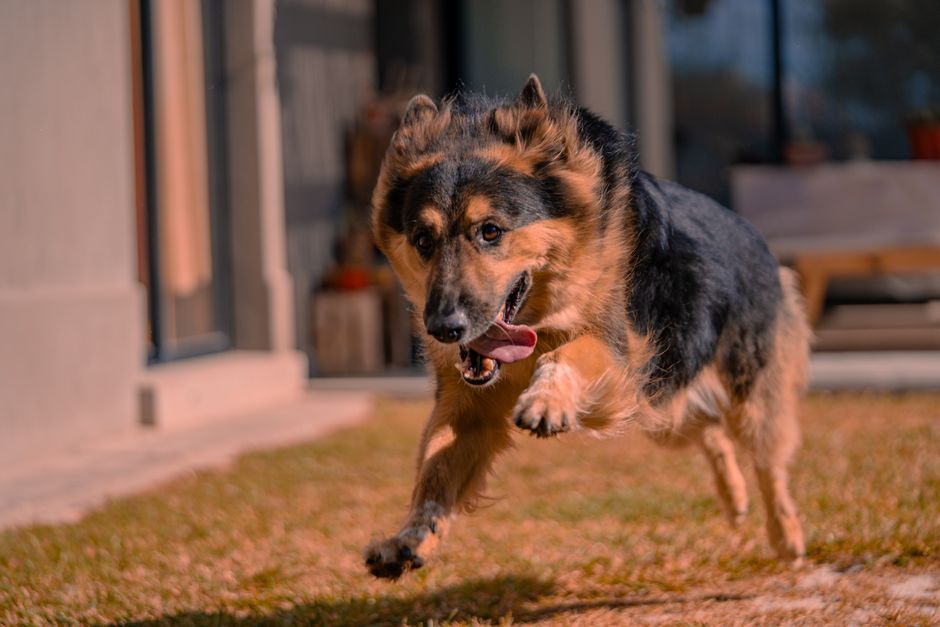
Putting weight on a German Shepherd safely is about building lean muscle and healthy fat, not just feeding more food. The process requires a high-quality, high-protein diet, a controlled feeding schedule, and a check-up with your vet to rule out underlying health issues. You must increase calories gradually and pair nutrition with appropriate exercise to ensure the weight gained is healthy and not just excess fat.
Why Is My German Shepherd Underweight?
Before you change anything about your dog’s diet, you need to understand why they are thin. German Shepherds are naturally lean and athletic dogs. It is normal for them to have a visible waistline and you should be able to feel their ribs without a thick layer of fat covering them. If you can see their ribs clearly, or if their hip bones and spine are prominent, they are underweight.
There are several common reasons for this. It could be a simple matter of not getting enough calories for their energy level. It could also be a sign of a medical condition. Intestinal parasites are a very common cause of weight loss or failure to gain weight in dogs. Other possibilities include digestive disorders that prevent nutrient absorption, or conditions like thyroid issues.
Do not assume it is just a feeding problem. A sudden or unexplained weight loss should always be investigated by a veterinarian. They can run a fecal test for parasites and do blood work to check organ function. This step is essential before you start any weight-gain plan.
What Is the Best Diet to Help a German Shepherd Gain Weight?
The foundation of safe weight gain is a high-quality dog food with a high protein and fat content. Look for a food where a named animal protein, like chicken, beef, or fish, is the first ingredient. Protein is the building block for muscle. Fat provides a concentrated source of calories and supports skin and coat health.
You do not necessarily need a “performance” or “puppy” formula, but these often have higher calorie density. An adult maintenance food might not be enough for a dog that struggles to keep weight on. A food designed for active or working dogs often has a higher fat percentage, which means more calories per cup.
When you switch foods, do it gradually. Mix the new food with the old food over a period of 7 to 10 days. Start with a small amount of the new food and increase it daily while decreasing the old food. A sudden change can cause digestive upset, which will set back your progress.
How Much Should I Feed My German Shepherd to Gain Weight?
Start with the feeding guide on the dog food bag, but treat that as a starting point, not a rule. Those guidelines are for average dogs. Your dog may need more. The safest approach is to increase the food gradually and monitor the results.
Weigh your dog every week at the same time of day. If they are not gaining weight after two weeks on the current amount, increase the daily amount by about 10 percent. Do not double the food overnight. A sudden large increase can cause stomach upset or a dangerous condition called bloat, which is a medical emergency in deep-chested breeds like German Shepherds.
Many owners find it helpful to split the daily ration into two or three meals. This is easier on the digestive system than one large meal. It also helps reduce the risk of bloat, which is a serious concern for this breed. Feed your dog in a calm environment and do not let them exercise vigorously immediately after eating.



What Human Foods Are Safe for Adding Calories?
Adding small amounts of safe, calorie-dense foods to your dog’s meals can boost the calorie count without adding a lot of volume. These should be treats or toppers, not the main part of the diet. They must be plain and cooked without any added salt, oil, or seasoning.
Safe options include:
- Plain, cooked chicken or turkey (no bones or skin)
- Canned pumpkin (not pumpkin pie filling)
- Plain, cooked sweet potato
- A small amount of plain, unsweetened yogurt
- A teaspoon of olive oil or coconut oil
These foods add calories and some beneficial nutrients. However, they should not make up more than 10 percent of your dog’s daily calorie intake. If you exceed this, the diet can become unbalanced and your dog may miss out on essential vitamins and minerals from their regular dog food.
Never feed your dog grapes, raisins, onions, garlic, chocolate, or anything containing xylitol. These are toxic to dogs and can cause serious illness or death.
Does Exercise Matter When Trying to Build Weight?
Yes, exercise is a critical part of the process, but you have to be smart about it. The goal is lean muscle mass, not just fat. A dog that eats extra calories but never moves will gain fat, which puts stress on their joints. German Shepherds are prone to hip and elbow dysplasia, so maintaining a healthy weight is vital.
Moderate, consistent exercise helps build muscle and stimulates appetite. Regular walks, controlled fetch sessions, and swimming are all excellent choices. Swimming is particularly good because it is low-impact and works the entire body.
Do not over-exercise an underweight dog. If they do not have enough energy reserves, intense exercise will burn the calories you are trying to add. Keep sessions moderate and watch for signs of fatigue. Focus on building a routine that includes rest and recovery time.
When Should I Be Concerned About Weight Loss?
If your dog is losing weight despite eating well, or if they are not gaining weight after a few weeks of a higher-calorie diet, you need to go back to the vet. Weight loss can be a sign of a serious underlying condition that diet alone cannot fix.
Look for other signs of illness. These include vomiting, diarrhea, lethargy, a dull coat, or a loss of appetite. A dog that is otherwise healthy but thin may just need more calories. A dog that is thin and showing other symptoms needs medical attention.
Remember that a German Shepherd puppy goes through growth spurts. It is normal for a puppy to look gangly and lean, especially during rapid growth phases. Do not try to fatten up a puppy to make them look “chunky.” Excess weight during growth can contribute to skeletal problems later in life. If you are unsure if your puppy is the right weight, ask your vet to assess their body condition score.
What Is the Healthy Rate of Weight Gain?
Healthy weight gain is slow and steady. You should not see dramatic changes week to week. A general guide is that an adult dog should gain no more than 1 to 2 percent of their body weight per week. For a 70-pound German Shepherd, that is about 0.7 to 1.4 pounds per week.
If your dog is gaining weight much faster than this, you may be overfeeding. If they are gaining much slower, you may need to increase the calories further. Keep a simple log of their weight and the amount of food they eat. This data is valuable for you and your vet to track progress.
Once your dog reaches a healthy weight, you will need to adjust their food back down to a maintenance level. A dog that keeps eating a weight-gain diet will eventually become overweight. The goal is to find the right balance of calories to maintain a healthy body condition long-term.
Frequently Asked Questions
How can I fatten up my German Shepherd quickly?
You should not try to fatten up a German Shepherd quickly, as rapid weight gain is unhealthy. Increase their food gradually by about 10 percent and add safe, calorie-dense toppers like cooked chicken or a teaspoon of olive oil.
What is the best high-calorie food for a German Shepherd?
A high-quality dog food with a named animal protein as the first ingredient and a higher fat content is best. Foods formulated for active or working dogs often provide more calories per cup than standard adult maintenance foods.
Is it normal for a German Shepherd to be skinny?
It is normal for them to be lean, but not so thin that their ribs, spine, or hip bones are clearly visible. If you can see prominent bones, they are underweight and you should consult your vet to rule out medical causes.
How long does it take for a German Shepherd to gain weight?
Healthy weight gain is slow, typically about 1 to 2 percent of body weight per week. You should start to see a visible difference within a few weeks of increasing calories, but reaching an ideal body condition can take a couple of months.
