
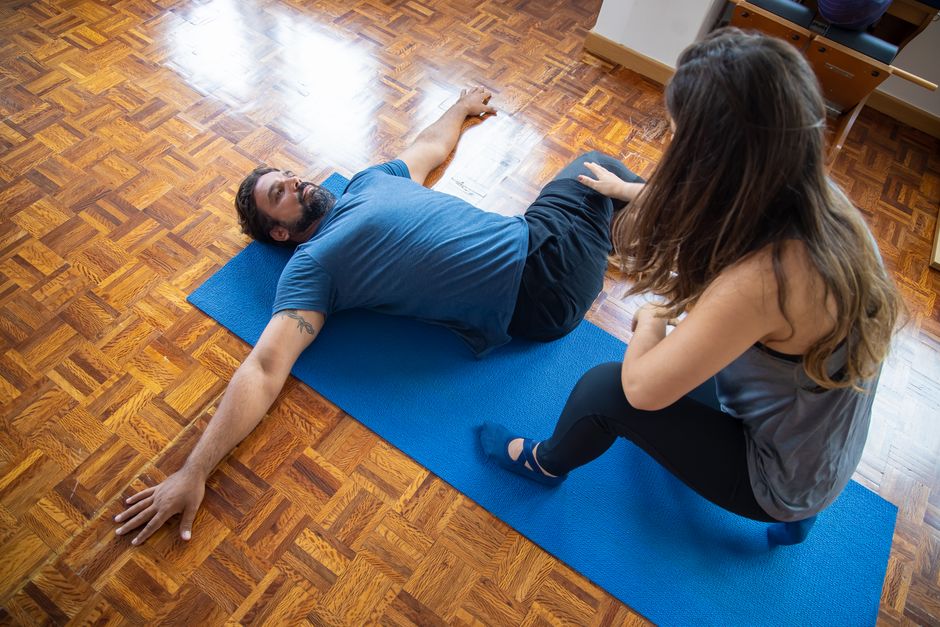
The recovery position is a specific way of laying an unconscious but breathing person on their side so their airway stays open and clear. You kneel beside them, straighten their legs, place the arm nearest you out at a right angle, bring the far arm across their chest with the back of their hand against their cheek, then pull the far knee up and roll them toward you onto that side. Tilt the head slightly back and down so fluid can drain out of the mouth. Stay with them until help arrives.
That is the whole method in one paragraph. The rest of this article explains why each step matters, when the recovery position is the right choice, and when it is the wrong one.
What Is The Recovery Position and Why Does It Matter?
The recovery position keeps the airway open in a person who cannot protect it themselves. That is its entire job.
When someone is unconscious, the muscles that normally hold the tongue forward and keep the throat open go slack. The tongue can fall back and block the airway. If the person vomits or has fluid in the mouth, they cannot cough or swallow it away. Lying flat on the back makes both problems worse.
Rolling them onto their side uses gravity as a tool. The tongue tends to fall forward rather than back. Fluid drains out of the mouth instead of pooling at the back of the throat. The head-down tilt helps this drainage.
This is an established first-aid technique taught by major resuscitation and first-aid organizations worldwide. It does not treat the cause of unconsciousness. It buys time and protects breathing until emergency services take over.
How To Put Someone In The Recovery Position Step by Step
Work calmly and in order. Each step sets up the next one.
- Check response and breathing first. Tap their shoulders and shout. If they do not respond, open the airway by tilting the head back and lifting the chin, then look, listen, and feel for normal breathing for up to 10 seconds. If they are not breathing normally, this is not a recovery position situation — start CPR and call emergency services.
- Call for help. Call 911 or your local emergency number, or have someone else call while you work. Put the phone on speaker so you can keep your hands free.
- Kneel beside them and make sure both legs are straight.
- Place the arm nearest you out at a right angle to their body, elbow bent, palm facing up.
- Bring the far arm across their chest and hold the back of that hand against the cheek nearest you. Keep holding it there.
- With your other hand, pull the far knee up until the foot is flat on the ground.
- Roll them toward you onto their side, using the knee as a lever. Keep their hand pressed against their cheek as the head turns.
- Tilt the head back slightly and point the chin downward so the mouth is lower than the throat. This lets fluid drain.
- Tuck the upper knee forward to stop them rolling onto their face. Adjust the lower arm so it does not get trapped underneath.
If you can, keep the mouth open a little and check it for anything loose. Do not put your fingers blindly into the mouth of someone who is unconscious — you can push an object further back or get bitten.
How Do You Know If Someone Needs the Recovery Position?
The recovery position is for a person who is unconscious but breathing normally and has no suspected major injury that would make rolling them dangerous.
Unconscious means they do not respond to you talking to them or gently shaking their shoulders. Breathing normally means steady, regular breaths you can see and hear — not occasional gasps, gurgling, or long gaps between breaths. Gasping is not normal breathing. If you see it, treat it as cardiac arrest and begin CPR.
Common situations where this applies include fainting, heavy intoxication, a seizure that has ended, a head injury with reduced consciousness, or a diabetic emergency. In each case the underlying cause still needs medical attention. The recovery position only protects the airway in the meantime.
One point people often miss: never leave someone on their back “just for a moment” to fetch something. If they are truly unconscious, they can vomit and block their own airway in seconds. Roll them first, then get help.





When Should You NOT Use the Recovery Position?
There are clear situations where the recovery position is the wrong move.
- Not breathing normally. Start CPR instead. Do not delay chest compressions to roll someone onto their side.
- Suspected spinal injury. If the person fell from height, was in a car crash, or has a head or neck injury, moving the spine can cause harm. Keep the head and neck supported and still, and follow emergency dispatcher instructions. That said, if their airway is blocked and they are vomiting, saving the airway takes priority — the dispatcher can guide you.
- Pregnant and unconscious. Guidance for later pregnancy is to lie the person on their left side rather than their back. Lying flat on the back can reduce blood flow in some pregnant women. Follow dispatcher instructions.
- Suspected poisoning or chemical exposure. Do not put yourself at risk. Call poison control or emergency services and follow their directions.
If you are unsure whether to roll someone, call emergency services and describe what you see. They will tell you what to do.
Does the Recovery Position Actually Save Lives?
The recovery position is a long-standing, widely taught first-aid technique aimed at keeping the airway open. That much is well established.
What is harder to state with certainty is how many lives it saves on its own. It is difficult to study in isolation, because it is usually one part of a chain of care that includes calling for help, CPR when needed, and rapid transport to hospital. First-aid guidelines from major resuscitation bodies continue to recommend it for unconscious breathing patients, based on the physiology of airway protection rather than large trials proving a survival benefit on its own.
That does not make it useless. It makes it a sensible, low-risk action that addresses a real and immediate danger — a blocked airway — while you wait for professional help.
How Long Should Someone Stay in the Recovery Position?
Keep them in the recovery position until emergency services arrive or the person fully wakes up and can sit up, speak, and swallow normally on their own.
Check on them regularly while you wait. Look at their breathing, watch their color, and make sure the mouth is not filling with fluid. If you need to roll them onto the other side — for example, because fluid is pooling or their arm is trapped — you can, as long as you keep the airway open.
Do not give an unconscious person anything to eat or drink. Do not try to make them sit up. Both can cause choking.
Common Mistakes People Make
Most errors come from rushing or from skipping the breathing check.
- Rolling someone who is not breathing instead of starting CPR.
- Leaving the head flat instead of tilting it so the mouth drains.
- Forgetting to tuck the upper knee, so the person rolls back onto their face.
- Putting fingers into the mouth and pushing an object deeper.
- Leaving the person alone to call for help when you could call from right beside them.
- Assuming a person who is snoring loudly is “just asleep” when they may be unresponsive and at risk.
Slow down. The steps take less than a minute once you have practiced them.
Frequently Asked Questions
What is the recovery position used for?
It is used to keep the airway open in someone who is unconscious but breathing normally. Lying on the side lets the tongue fall forward and lets fluid drain from the mouth.
What if the person is breathing but I can’t tell?
If you cannot confirm normal breathing within about 10 seconds, treat it as cardiac arrest and start CPR. Call emergency services and follow the dispatcher’s instructions.
Can I put someone in the recovery position if I suspect a neck injury?
If you suspect a spinal injury, keep the head and neck still and supported rather than rolling them freely. If their airway is blocked or they are vomiting, protecting the airway takes priority — call emergency services and follow their guidance.
Which side should a pregnant woman be placed on?
For an unconscious pregnant woman in later pregnancy, guidance is generally to place her on her left side. This avoids lying flat on the back, which can reduce blood flow in some pregnant women.
