
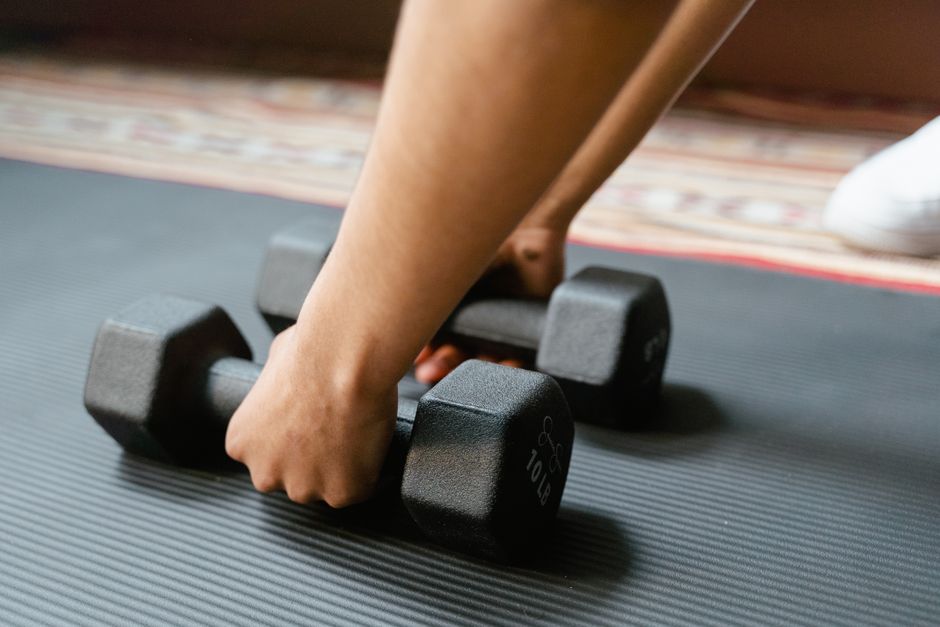
Putting on 5 pounds of muscle is a realistic goal for most people, but it takes longer than social media suggests. For a beginner, gaining 5 pounds of lean muscle typically takes 3 to 6 months of consistent training and proper nutrition. For someone with a few years of lifting experience, the same 5 pounds could take 8 to 12 months or longer because muscle growth slows as you become more trained.
How Much Muscle Can You Realistically Gain Per Month?
The rate of muscle growth depends heavily on your training experience. Beginners see the fastest gains because their bodies are adapting to a brand-new stimulus. Research consistently shows that a true beginner can gain about 1 to 2 pounds of muscle per month under ideal conditions.
That rate does not stay constant. After the first year of training, the monthly gains drop to roughly 0.5 to 1 pound. By the third year, gains slow to 0.25 to 0.5 pounds per month. These are averages, and individual results vary, but they give you a realistic timeline for planning.
If you are new to lifting, expect to hit 5 pounds of muscle in roughly 3 to 5 months. If you have been training for over a year, plan for 6 to 10 months. If you have been training for several years, that same 5 pounds may take a full year or more.
What Actually Builds Muscle: The Training Basics
Muscle growth happens when you place progressive tension on a muscle and then give it time to recover. The body adapts to this stress by making the muscle fibers thicker and stronger. Without progressive overload, your muscles have no reason to grow.
Progressive overload means gradually increasing the weight, repetitions, or sets over time. Adding 5 pounds to the bar every week or two is a common approach. Adding one or two extra reps at the same weight also counts as progress.
For most people, training each muscle group twice per week produces better results than once per week. A common split is upper body one day and lower body the next, repeated twice in the week. Each session should include compound movements like squats, deadlifts, bench presses, rows, and overhead presses. These exercises recruit the most muscle fibers and give you the most growth per unit of effort.
Keep the rep range between roughly 6 and 12 repetitions for most sets. This range is well supported by evidence for hypertrophy, which is the technical term for muscle growth. You do not need to train to complete failure on every set, but you should be close. Leave one to three reps in reserve on most working sets.
How Much Protein Do You Need to Gain Muscle?
Protein is the raw material for muscle repair and growth. Without enough of it, your training efforts will not translate into new muscle tissue. The established recommendation for people actively trying to build muscle is about 0.7 to 1 gram of protein per pound of body weight per day.
For a 180-pound person, that works out to roughly 125 to 180 grams of protein daily. This is not a huge amount, but it requires attention. A typical serving of chicken breast, fish, or lean beef provides about 30 to 40 grams. Greek yogurt, eggs, cottage cheese, and legumes also contribute.
Spreading protein intake across three to five meals is more effective than eating it all at once. The body uses protein most efficiently when you provide a steady supply throughout the day. A post-workout meal with 20 to 40 grams of protein is helpful, but the total daily intake matters more than timing.




Do You Need to Eat More Calories to Gain Muscle?
Yes. Building muscle requires a calorie surplus, meaning you eat more energy than you burn. The body cannot construct new tissue from nothing. A modest surplus of about 300 to 500 calories per day above maintenance is enough for most people.
Eating in a larger surplus does not speed up muscle gain. It mostly speeds up fat gain. The body can only synthesize a limited amount of new muscle tissue per day, regardless of how many extra calories you provide.
A reasonable starting point is to add 250 to 500 calories to your current maintenance intake and monitor your weight over two to three weeks. If the scale moves up about 0.5 to 1 pound per week, you are in a good range. If you are gaining faster than that, you are likely adding more fat than necessary.
Weight gain on the scale will always include some fat. No diet can produce pure muscle gain. The goal is to keep fat gain minimal while providing enough energy for muscle growth.
How Long Should You Train Each Session?
Most effective training sessions last between 45 and 75 minutes. Training longer than that does not automatically produce better results. In fact, excessively long sessions often mean you are doing too much volume without enough intensity.
Aim for roughly 10 to 20 hard sets per muscle group per week. This range is supported by research on hypertrophy. More than 20 sets per muscle group per week generally does not add additional benefit for natural lifters and can interfere with recovery.
Quality matters more than quantity. A single hard set of squats done with good form is worth more than three sloppy sets with too much weight. Rest two to three minutes between heavy compound sets and 60 to 90 seconds between isolation exercises.
Why Sleep and Recovery Are Non-Negotiable
Muscle grows during recovery, not during training. When you lift weights, you create microscopic damage in the muscle fibers. The repair process that follows is what makes the muscle larger. This repair happens primarily during sleep and rest days.
Adults need about seven to nine hours of sleep per night for optimal recovery. Sleeping less than seven hours consistently reduces the body’s ability to synthesize muscle protein. Some research suggests that sleep deprivation can also increase cortisol, a hormone that works against muscle growth.
Take at least one full rest day per week. This does not mean you cannot walk or do light activity. It means you should not do intense resistance training. Your muscles need 48 to 72 hours to fully recover after a hard session, so avoid training the same muscle group on consecutive days.
What Slows Down Muscle Gain?
Several common mistakes can stall your progress for months. The most frequent issue is inconsistent training. Missing one or two sessions per week significantly reduces the stimulus your muscles receive. Consistency over months matters more than any single workout.
Another major mistake is not eating enough. Many people think they are eating in a surplus when they are actually at maintenance or even in a deficit. If your weight is not trending upward over several weeks, you are not eating enough.
Poor exercise selection also limits gains. Doing only machine exercises or isolation movements will not recruit as many muscle fibers as compound lifts. Free weights and bodyweight exercises that require balance and coordination produce a stronger growth signal.
Finally, unrealistic expectations can cause people to quit just before results appear. If you expect 5 pounds of muscle in six weeks, you will be disappointed. If you expect it in five months, you can stay patient and consistent.
How to Track Progress Beyond the Scale
The scale alone cannot tell you if you are gaining muscle or fat. Your weight will fluctuate daily based on water, food, and glycogen stores. A more reliable method is to track your waist measurement and your strength in the gym.
If your waist stays roughly the same while your weight goes up, you are likely gaining mostly muscle. If your waist is expanding quickly, you are probably in too large of a calorie surplus. Progress photos taken every two to four weeks can also help you see changes that the scale misses.
Strength gains are the clearest sign that muscle is being added. If your squat, bench press, or row is steadily increasing month after month, your body is adapting. Plateaus in strength usually mean you need to adjust your training, nutrition, or recovery.
How To Put On 5 Pounds Of Muscle And How Long It Takes: The Bottom Line
Five pounds of muscle is a meaningful amount that visibly changes your physique. It is not an overnight achievement, and it does not happen by accident. It requires a structured training program, a modest calorie surplus, adequate protein, and consistent sleep.
For a beginner, expect 3 to 6 months. For an intermediate lifter, expect 6 to 12 months. For an advanced lifter, expect a year or more. These timelines assume you train consistently, eat enough, and recover properly.
If you are not gaining strength or your weight is not moving, adjust one variable at a time. Add 200 to 300 calories, add a set to your weakest lift, or add 30 minutes of sleep. Small consistent adjustments produce better long-term results than dramatic changes.
Frequently Asked Questions
Can I gain 5 pounds of muscle in 2 months?
Only if you are a complete beginner with ideal genetics, and even then it is unlikely. Most beginners gain 1 to 2 pounds per month, so 5 pounds typically takes 3 to 5 months.
How much protein per day do I need to build muscle?
Research supports about 0.7 to 1 gram of protein per pound of body weight daily. A 180-pound person should aim for roughly 125 to 180 grams spread across the day.
Do I need to gain weight to build muscle?
Yes, a modest calorie surplus of about 300 to 500 calories above maintenance is needed for muscle growth. Gaining about 0.5 to 1 pound per week is a reasonable target.
How many days per week should I lift weights?
Three to four days per week works well for most people. Training each muscle group twice per week produces better results than once per week.
